

/nginx/o/2024/06/19/16164710t1h7149.jpg)
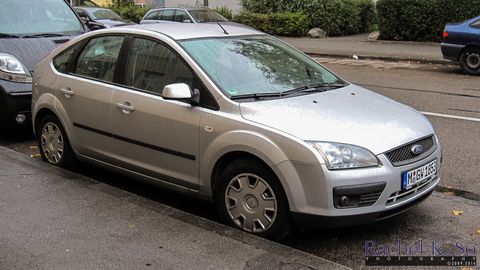
Ford Makes Boring Cars Popular, Now It's Tired of Them
Translated from Estonian, summarized and contextualized by DistantNews.
At a glance
Analysis
Sources not specified
Context piece
- Ford has systematically shifted its U.S. model lineup from unremarkable sedans and budget hatchbacks to more expensive trucks, SUVs, and specialized packages.
- While this strategy has boosted the company's profits, it has not satisfied all stakeholders.
- The article questions Ford's strategic direction, comparing it to niche manufacturer Porsche rather than mass-producer Henry Ford's legacy, and considers the implications for consumers seeking affordable, conventional vehicles.
Ford has been quietly but consistently reshaping its vehicle offerings in the American market. The company has phased out bland sedans and entry-level hatchbacks, replacing them with a portfolio dominated by pricier trucks, SUVs, and vehicles with specialized packages.
This strategic pivot has yielded positive financial results, with Ford's profit margins reportedly improving. However, this shift has not been universally welcomed, and some stakeholders are reportedly dissatisfied with the direction the company is taking.
The article probes why Ford appears to be adopting a strategy reminiscent of niche automaker Porsche, rather than adhering to the mass-production ethos of its founder, Henry Ford. It also raises questions about what this means for consumers who are still looking for a "regular" and affordable car.
DistantNews Editorial
Originally published by Postimees in Estonian. Translated, summarized, and contextualized by our editorial team with added local perspective. Read our editorial standards.
More Stories

/nginx/o/2026/07/30/17817545t1hfa5f.jpg)
/nginx/o/2026/07/10/17774020t1h8225.jpg)
From Our Blog

What Gets Lost (and Found) When News Is Translated

The Critical Role of Diaspora Media in Global News

What Travellers Should Know About Countries with Restricted Press

A Digital Nomad's Guide to Following Local News

How the Same Story Looks Different in Different Countries
