


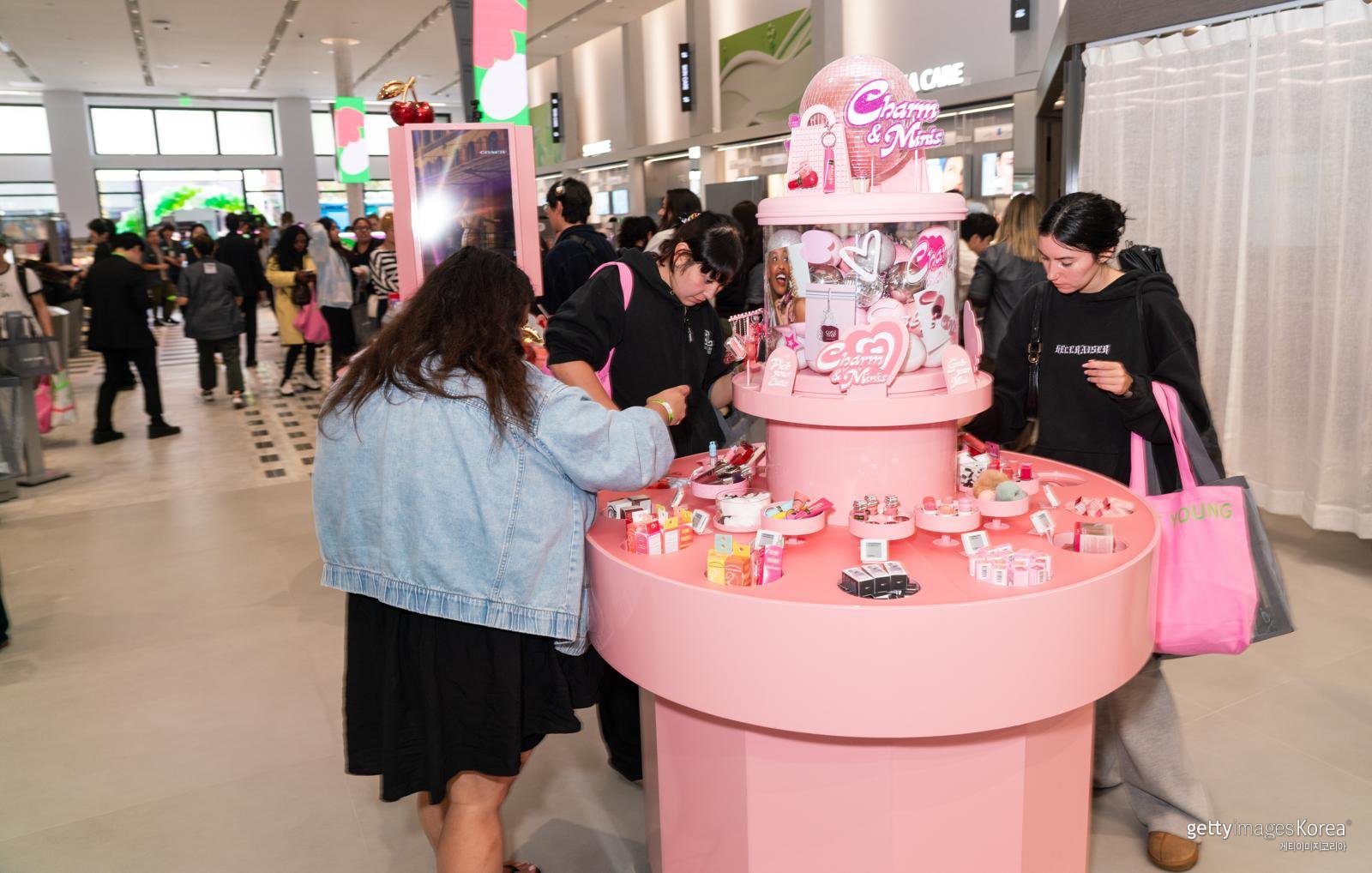
Foreign Cosmetics Embrace 'K-Beauty' Branding, Production
Translated from Korean, summarized and contextualized by DistantNews.
At a glance
News
Sources not specified
Context piece
- Foreign beauty brands are increasingly adopting Korean language, culture, and production methods to leverage the global popularity of K-beauty.
- Brands like 'Yepoda,' 'Hwarang,' and 'SeoulCeuticals' use Korean names and concepts, with some producing their goods in South Korea.
- This trend highlights the growing global recognition of 'K-beauty' as a distinct market genre, prompting discussions about defining and protecting its identity.
The global allure of K-beauty has spurred foreign companies to adopt Korean elements, from language and culture to manufacturing processes, in their branding and product development. German beauty brand 'Yepoda,' launched in 2020, directly uses the Korean word 'yeppeuda' (pretty) as its name and emphasizes a K-beauty identity, with products manufactured in South Korea. The brand has expanded its European distribution and recently opened its first Asian flagship store in Seoul's Seongsu district.
Other international brands are also drawing inspiration from Korean heritage. 'Hwarang,' a skincare brand introduced in 2023, derives its name and philosophy from the ancient Silla Kingdom's Hwarang warriors. Though originating in Finland, it combines traditional Korean beauty ingredients with modern skincare technology. Similarly, the US-based 'SeoulCeuticals,' founded in 2016, incorporates 'Seoul' into its name and markets itself as 'Korean-inspired,' utilizing popular Korean ingredients like snail mucin and ginseng, despite manufacturing its products in the United States.
This phenomenon underscores how 'Korea' itself has become a valuable brand asset in the international beauty market. Beyond mere aesthetic or naming conventions, some overseas brands are fully integrating Korean production and development. Spain's MiiN Cosmetics, for instance, conceptualizes its 'Ondo Beauty 36.5' line in Barcelona but manufactures it in Seoul, leveraging South Korea's established beauty manufacturing infrastructure.
The trend is fueled by South Korea's rising global standing in the cosmetics industry. In the previous year, South Korea's cosmetic exports reached a record $11.4 billion, marking a 12.2% increase and positioning it as the world's second-largest exporter, surpassing the US and trailing only France. This growth continues, with South Korean small and medium-sized enterprises reporting an 11.6% increase in exports in the first half of the year, led by a significant 30.7% rise in cosmetics exports.
As K-beauty solidifies its status as a global genre, the definition of what constitutes 'K-beauty' is expanding. While Korean companies historically formed the core, foreign brands now actively adopt Korean elements. Industry insiders anticipate a further increase in such international brands. However, this broader adoption raises questions about maintaining the authenticity and value of the K-beauty brand, leading to calls for clearer standards and protective measures.
As K-beauty's own recognition grows globally, the number of such overseas brands is expected to increase further.
DistantNews Editorial
Originally published by Dong-A Ilbo in Korean. Translated, summarized, and contextualized by our editorial team with added local perspective. Read our editorial standards.
More Stories


From Our Blog

What Gets Lost (and Found) When News Is Translated

The Critical Role of Diaspora Media in Global News

What Travellers Should Know About Countries with Restricted Press

A Digital Nomad's Guide to Following Local News

How the Same Story Looks Different in Different Countries
