


Foreign investors shift from memory chips to AI semiconductor value chain
Translated from Korean, summarized and contextualized by DistantNews.
At a glance
News
Sources not specified
Context piece
- Foreign investors have significantly sold off memory semiconductor stocks since July, causing the KOSPI index to drop sharply.
- Despite the memory stock sell-off, foreign investors are still buying into semiconductor value chain companies, particularly those related to AI.
- This suggests a shift in foreign investment strategy from short-term memory chip plays to longer-term bets on the AI semiconductor ecosystem.
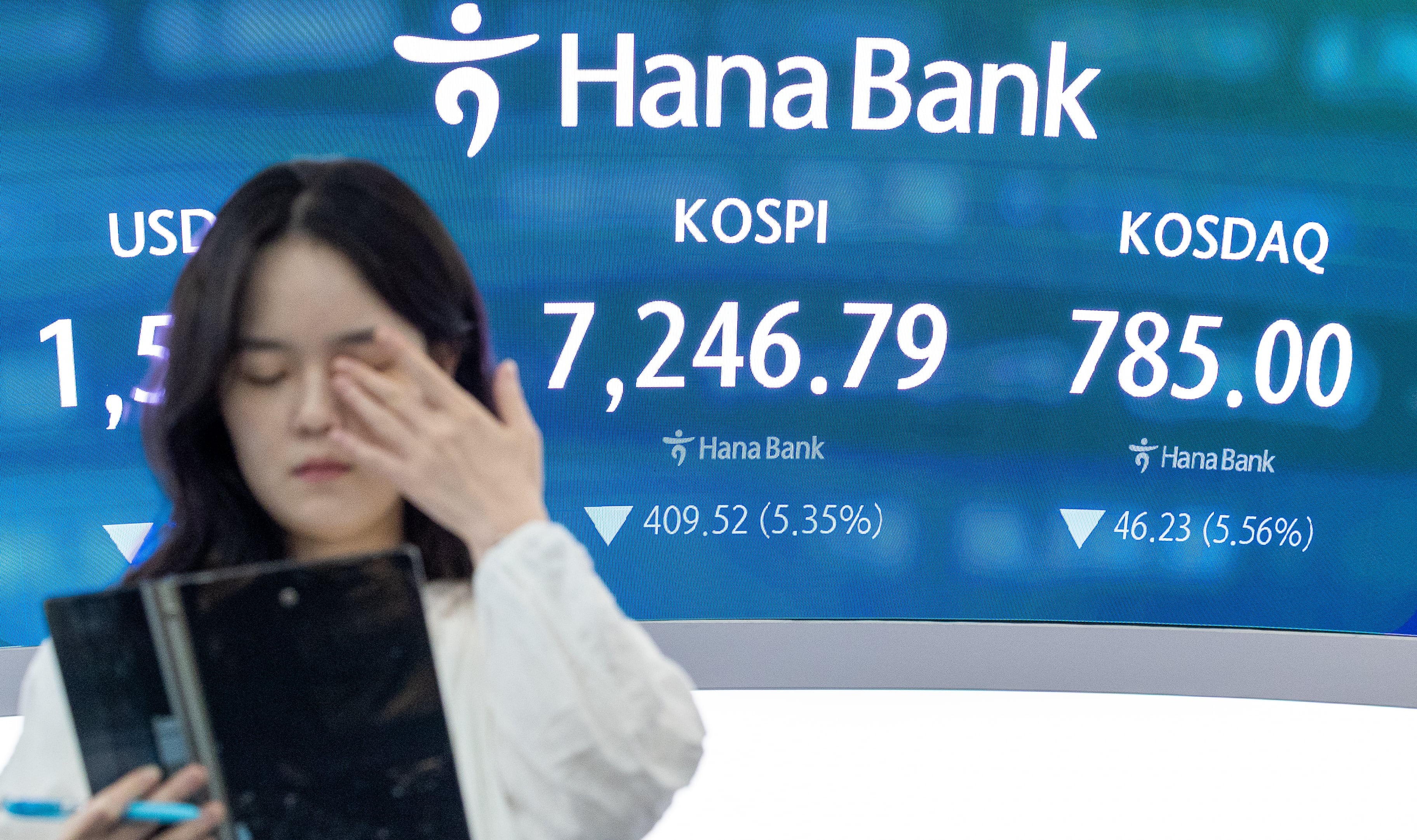
Foreign investors have aggressively sold memory semiconductor stocks in July, leading to a sharp decline in the KOSPI index from 8,400 to 7,200 points. This significant divestment from memory chips signals a potential shift in the South Korean stock market.
However, the trend is not a complete exit from the semiconductor sector. Foreign net purchases show that companies within the semiconductor value chain, particularly those involved in the artificial intelligence (AI) ecosystem, are still attracting investment. This indicates a strategic reallocation rather than a broad withdrawal.
Analysts suggest that foreign investors are trimming their exposure to memory semiconductor stocks, which have seen rapid price increases. Simultaneously, they are maintaining a medium- to long-term investment stance in the burgeoning AI semiconductor market. This move reflects a belief in the sustained growth potential of AI technologies and their associated hardware.
The data from the Korea Exchange indicates a clear pattern: a reduction in short-term, high-growth memory plays, and a continued, albeit selective, commitment to the future of AI-driven semiconductor innovation. This strategic pivot is expected to shape the semiconductor landscape in the coming months.
DistantNews Editorial
Originally published by Chosun Ilbo in Korean. Translated, summarized, and contextualized by our editorial team with added local perspective. Read our editorial standards.
More Stories


From Our Blog

What Gets Lost (and Found) When News Is Translated

The Critical Role of Diaspora Media in Global News

What Travellers Should Know About Countries with Restricted Press

A Digital Nomad's Guide to Following Local News

How the Same Story Looks Different in Different Countries
