


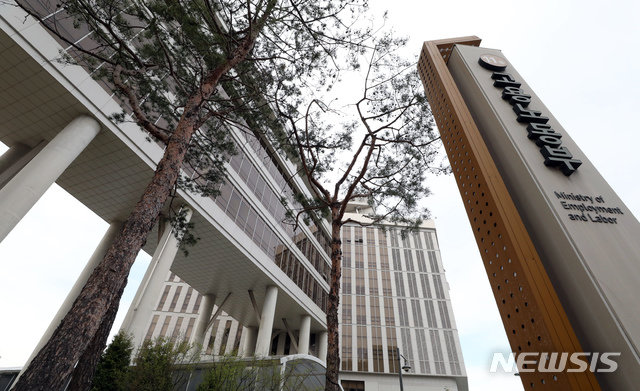
Foreign worker complaints over changing employers surge threefold in three years
Translated from Korean, summarized and contextualized by DistantNews.
At a glance
News
Named sources
Ongoing story
- Foreign worker complaints about changing employers have nearly tripled in three years, reaching 122,670 cases in 2024.
- The government proposed reducing the employer change limit from three years to 1.5 years, but the announcement is delayed due to inter-ministerial consultations.
- Labor groups demand the removal of restrictions, while employers fear increased labor shortages and skilled worker departures.
Complaints from foreign workers seeking to change employers in South Korea have surged dramatically, nearly tripling in the past three years. The number of consultations regarding employer changes at the Foreign Workforce Consultation Center rose from 44,862 in 2022 to 122,670 in 2024, according to data obtained by lawmaker Kim So-hee's office.
The government had prepared a plan to ease restrictions, shortening the period during which foreign workers (E-9 visa holders) are limited to changing employers from the initial three years to 1.5 years. However, the implementation of this reform is stalled as it awaits final agreement from relevant ministries, including the Ministry of Justice.
The current system allows E-9 visa holders to change employers up to three times only under specific legal circumstances, such as the termination of a three-year contract. Labor unions advocate for the complete removal of these restrictions, citing difficulties in escaping poor working conditions or mistreatment by employers. Conversely, business circles argue that frequent job changes exacerbate labor shortages and lead to the departure of skilled workers from small and medium-sized enterprises.
During discussions within a task force involving labor, management, and experts, the Ministry of Employment and Labor proposed the 1.5-year limit as a compromise. Reports indicate that labor groups pushed for immediate freedom of movement upon arrival, while management sought a two-year restriction. To address concerns about a concentration of foreign workers in the Seoul metropolitan area, the revised plan reportedly maintains restrictions on changing employers between regions or industries, such as moving from non-metropolitan areas to the capital.
The Ministry of Employment and Labor had initially planned to announce its "Integrated Foreign Workforce Support Roadmap" in the first half of this year, incorporating feedback from the task force and public discussions. However, the prolonged consultations with the Ministry of Justice and other government bodies have led to the delay.
DistantNews Editorial
Originally published by Dong-A Ilbo in Korean. Translated, summarized, and contextualized by our editorial team with added local perspective. Read our editorial standards.
More Stories



From Our Blog

What Gets Lost (and Found) When News Is Translated

The Critical Role of Diaspora Media in Global News

What Travellers Should Know About Countries with Restricted Press

A Digital Nomad's Guide to Following Local News

How the Same Story Looks Different in Different Countries
