

Former advisor warns social media focus harms Danish democracy
Translated from Danish, summarized and contextualized by DistantNews.
At a glance
Analysis
Named sources
Context piece
- A former top advisor warns that politicians' increasing focus on social media is detrimental to Danish democracy.
- Jacob Bruun argues this trend creates an "extreme power and knowledge monopoly" and leads to poorer legislation.
- Bruun, who previously advised Lars Løkke Rasmussen, contrasts the current social media focus with the parliamentary work and traditional media of his earlier career.
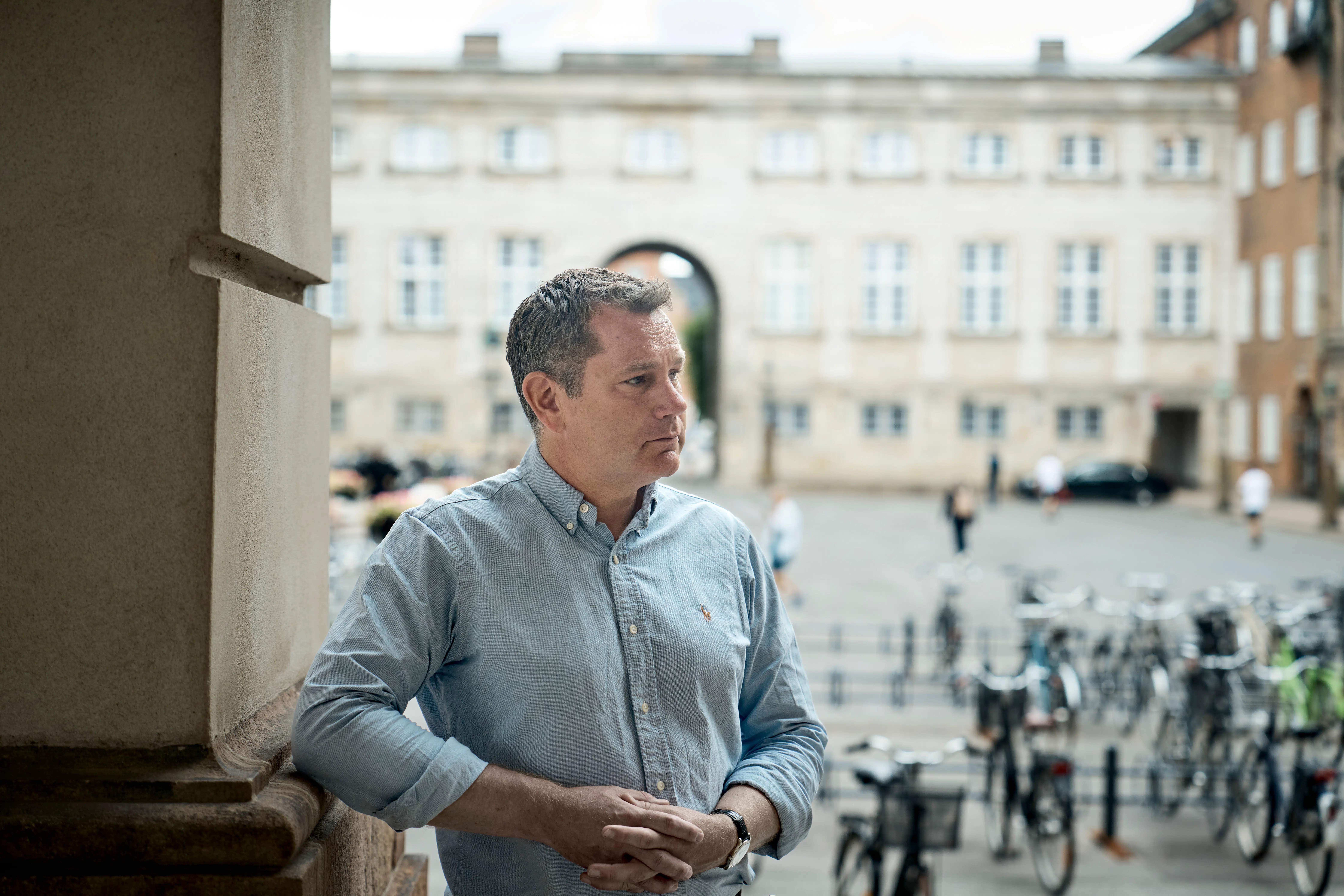
Politicians' growing reliance on social media is creating an "extreme power and knowledge monopoly" and ultimately leading to worse legislation, according to a former top advisor.
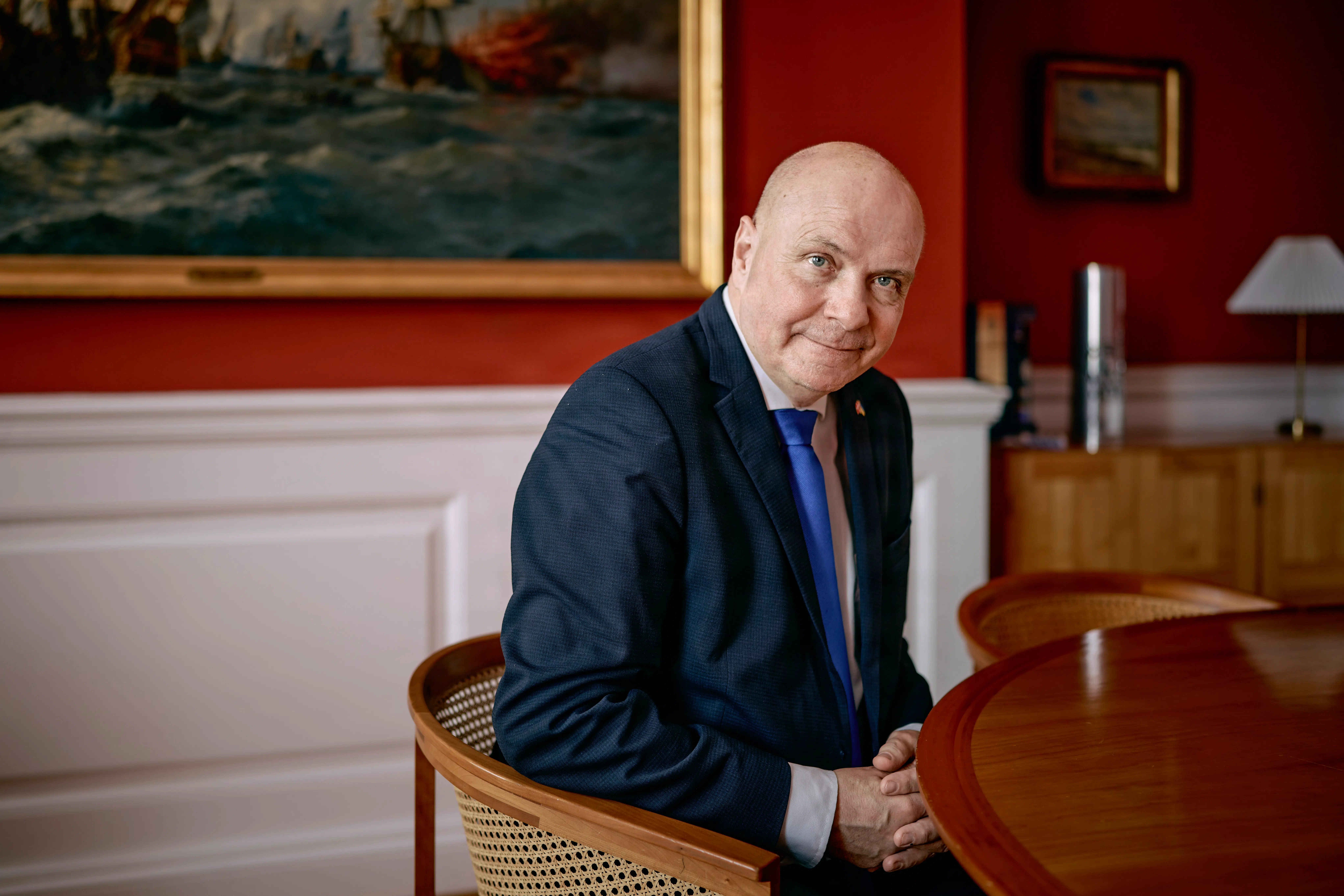
Jacob Bruun, who served as a special advisor to then-Venstre Prime Minister Lars Løkke Rasmussen from 2015 to 2019, expressed concern over the current trend on Christiansborg, the seat of the Danish Parliament. He believes the intense focus on social media platforms is a worrying development for the functioning of democracy.
Bruun contrasts the current environment with his experience when he first entered politics. At that time, the primary concerns were parliamentary work and engaging with traditional media outlets, which operated with established editorial deadlines and news criteria. The digital landscape and its influence on political decision-making were far less pronounced.
He argues that the current digital-first approach risks politicians making poorer decisions because it concentrates influence and information within a narrow, often echo-chamber-like, online sphere. This shift away from traditional journalistic scrutiny and in-depth parliamentary deliberation could undermine the quality of lawmaking and public discourse.
Det gør simpelthen, at politikerne risikerer at træffe dårligere beslutninger
DistantNews Editorial
Originally published by Berlingske in Danish. Translated, summarized, and contextualized by our editorial team with added local perspective. Read our editorial standards.
More Stories
From Our Blog

What Gets Lost (and Found) When News Is Translated

The Critical Role of Diaspora Media in Global News

What Travellers Should Know About Countries with Restricted Press

A Digital Nomad's Guide to Following Local News

How the Same Story Looks Different in Different Countries
