


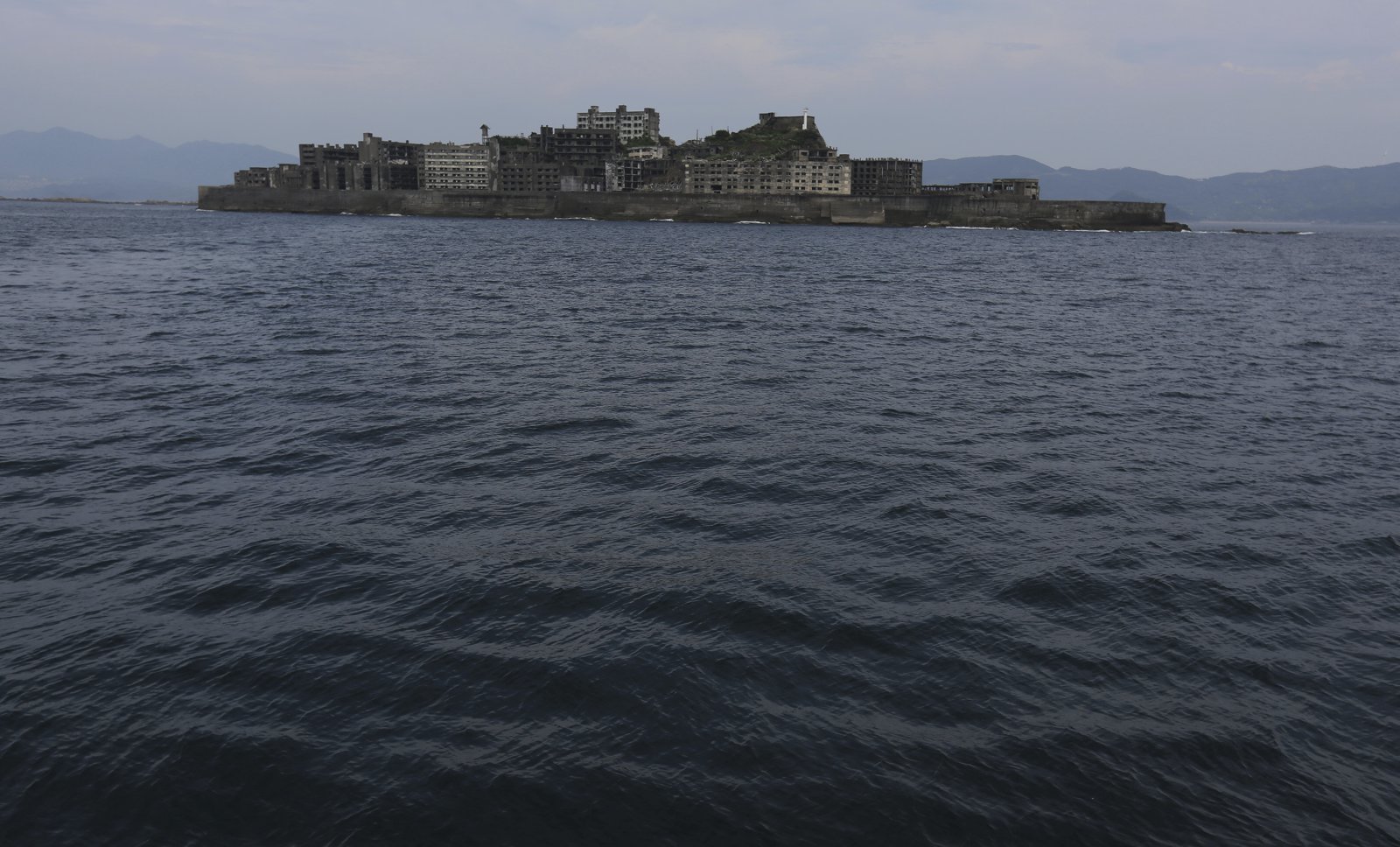
Former Hashima Island Residents Release Documentary Challenging 'Hell on Earth' Narrative
Translated from Korean, summarized and contextualized by DistantNews.
At a glance
News
Sources not specified
Context piece
- A group of former residents of Japan's Hashima Island, known as Gunkanjima, has released a documentary refuting claims that it was a
A documentary released by a group of former residents of Japan's Hashima Island, known as Gunkanjima, challenges the widely held perception of the island as a "hell on earth" during the Japanese colonial period. The group, "Hashima Island Residents Pursuing Historical Truth," held a press conference in Tokyo to present their film.
The documentary aims to counter the narrative that the island was a site of forced labor for Koreans, a portrayal they attribute in part to a 1955 NHK broadcast titled "The Island Without Green." The group claims this broadcast spread misinformation about the forced conscription of Koreans during the Japanese occupation.
The documentary film refuting the claim that Gunkanjima was a hell on earth where Koreans were forcibly taken was released by the Japanese side.
Having raised 6 million yen (approximately $54.7 million won) through crowdfunding for the documentary's production, the group stated they approached NHK to verify the circumstances of the 1955 broadcast. When NHK did not respond, they decided to produce their own film. They plan to release a Korean version and broadcast it internationally.
The group further alleges that the NHK broadcast was filmed in Fukuoka, not on Hashima Island itself. They are seeking verification from NHK regarding the broadcast's origins. The documentary's release seeks to present an alternative historical account of the island.
We held a press conference to screen a documentary that refutes the claim that Gunkanjima was a hell on earth for forcibly conscripted Koreans.
DistantNews Editorial
Originally published by Dong-A Ilbo in Korean. Translated, summarized, and contextualized by our editorial team with added local perspective. Read our editorial standards.
More Stories


From Our Blog

What Gets Lost (and Found) When News Is Translated

The Critical Role of Diaspora Media in Global News

What Travellers Should Know About Countries with Restricted Press

A Digital Nomad's Guide to Following Local News

How the Same Story Looks Different in Different Countries
