

Former Mayor Hong Joon-pyo Slams Prosecutorial Reform as 'Revenge,' Warns of 'Criminals' Paradise'
Translated from Korean, summarized and contextualized by DistantNews.
At a glance
Opinion
Sources not specified
Context piece
- Former Daegu Mayor Hong Joon-pyo criticized the ruling party's push for prosecutorial reform, warning it could lead to a "paradise for criminals."
- He argued that stripping the prosecution of its investigative powers is "revenge, not reform" and that a sitting government lacks the authority to dismantle the country's investigative structure.
- Hong also expressed concerns about "tribalism" in South Korean society and the influence of "cartels" in the media, particularly regarding fake news.
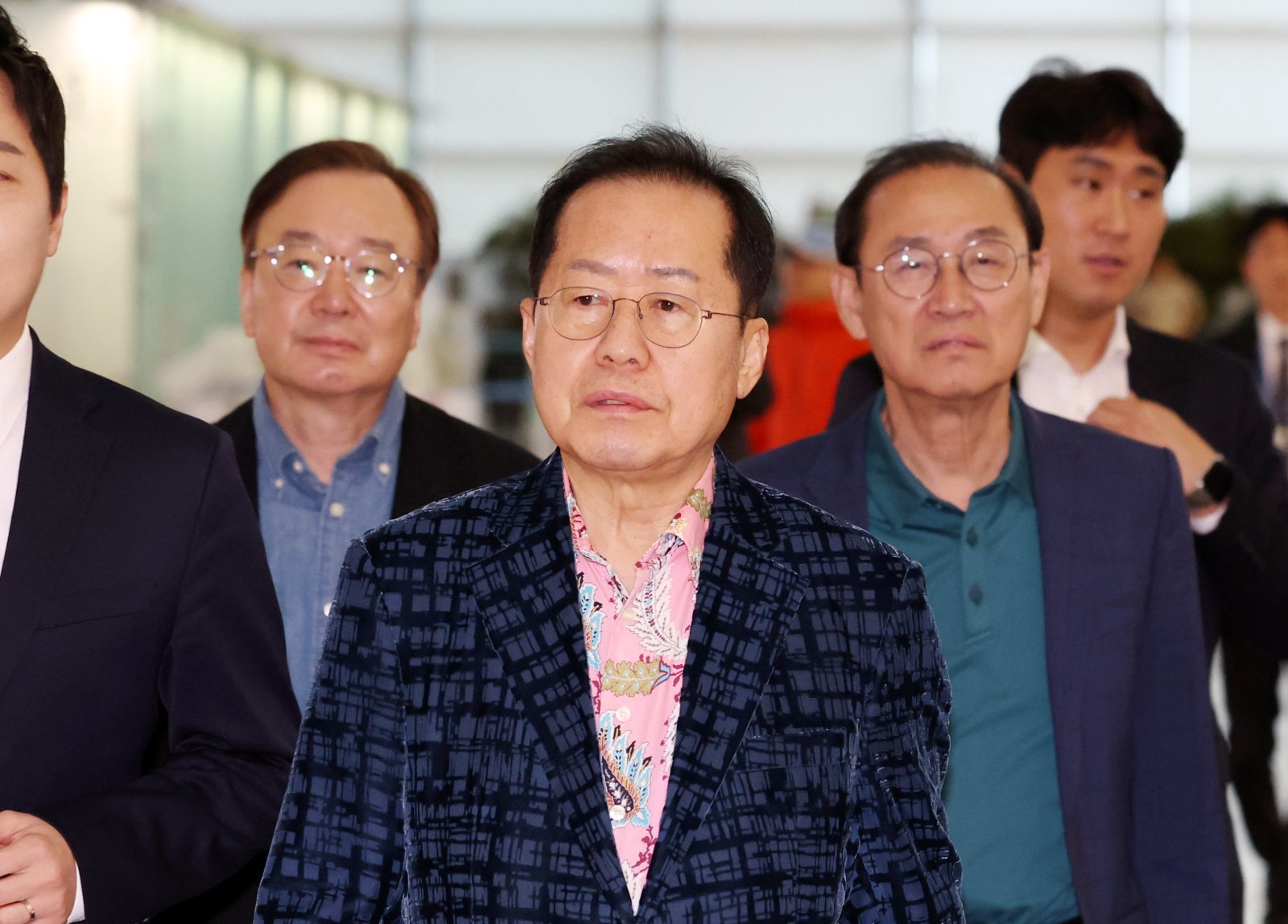
Hong Joon-pyo, former mayor of Daegu, has strongly criticized the ruling party's legislative efforts to reform the prosecution service, warning that such changes could destabilize the nation's legal system and create an environment conducive to crime.
If we continue to push for legislative dominance in the name of prosecutorial reform, it will become an era of police omnipotence and a paradise for criminals.
"If we continue to push for legislative dominance in the name of prosecutorial reform, it will become an era of police omnipotence and a paradise for criminals," Hong stated on social media. He argued that reducing the prosecution to a mere indictment agency and stripping it of supplementary investigative powers amounts to "revenge, not reform." Hong further asserted that a government with a five-year term does not possess the authority to fundamentally alter the country's investigative framework, warning that the public would ultimately bear the consequences of such drastic changes.
Stripping the prosecution of its supplementary investigative powers is revenge, not reform.
Beyond the prosecutorial reform debate, Hong also voiced concerns about societal divisions and media influence in South Korea. He identified "tribalism" and the "cartel" of hereditary media outlets misleading the public as significant problems plaguing Korean society. While the issue of tribalism is widely discussed, Hong noted that few dare to challenge the power of these media cartels, which he suggested might possess an "arrogance" that they can make or break governments.
A government with a five-year term does not possess the authority to fundamentally alter the country's investigative framework.
Hong reflected on his own media ventures, including the launch of "TV Hong Carcora" eight years prior in anticipation of the rise of one-person media. He expressed regret that YouTube has become a breeding ground for fake news, where personal opinions are often indistinguishable from facts. He expressed hope that the revised "fake news prevention law," set to take effect in July, would help purify the information landscape. Hong concluded by urging all media outlets to return to their role as "knights" of courageous reporting, reminiscent of their function during past authoritarian regimes.
The cartel of hereditary media outlets misleading the public is one of the biggest problems in Korean society.
DistantNews Editorial
Originally published by Dong-A Ilbo in Korean. Translated, summarized, and contextualized by our editorial team with added local perspective. Read our editorial standards.
More Stories

From Our Blog

What Gets Lost (and Found) When News Is Translated

The Critical Role of Diaspora Media in Global News

What Travellers Should Know About Countries with Restricted Press

A Digital Nomad's Guide to Following Local News

How the Same Story Looks Different in Different Countries
