


Former NIS officials indicted for role in 1979 martial law
Translated from Korean, summarized and contextualized by DistantNews.
At a glance
News
Sources not specified
In the courts
- South Korea's special prosecutor's team indicted four former National Intelligence Service (NIS) officials, including ex-Director Cho Tae-yong, on charges related to the 1979 martial law.
- The indicted officials are accused of participating in the martial law's implementation, with Cho allegedly giving broad instructions for its execution and conveying pro-martial law messages to allies.
- Cho Tae-yong also faces charges of perjury related to the martial law, with his sentence increased in an appellate court ruling.
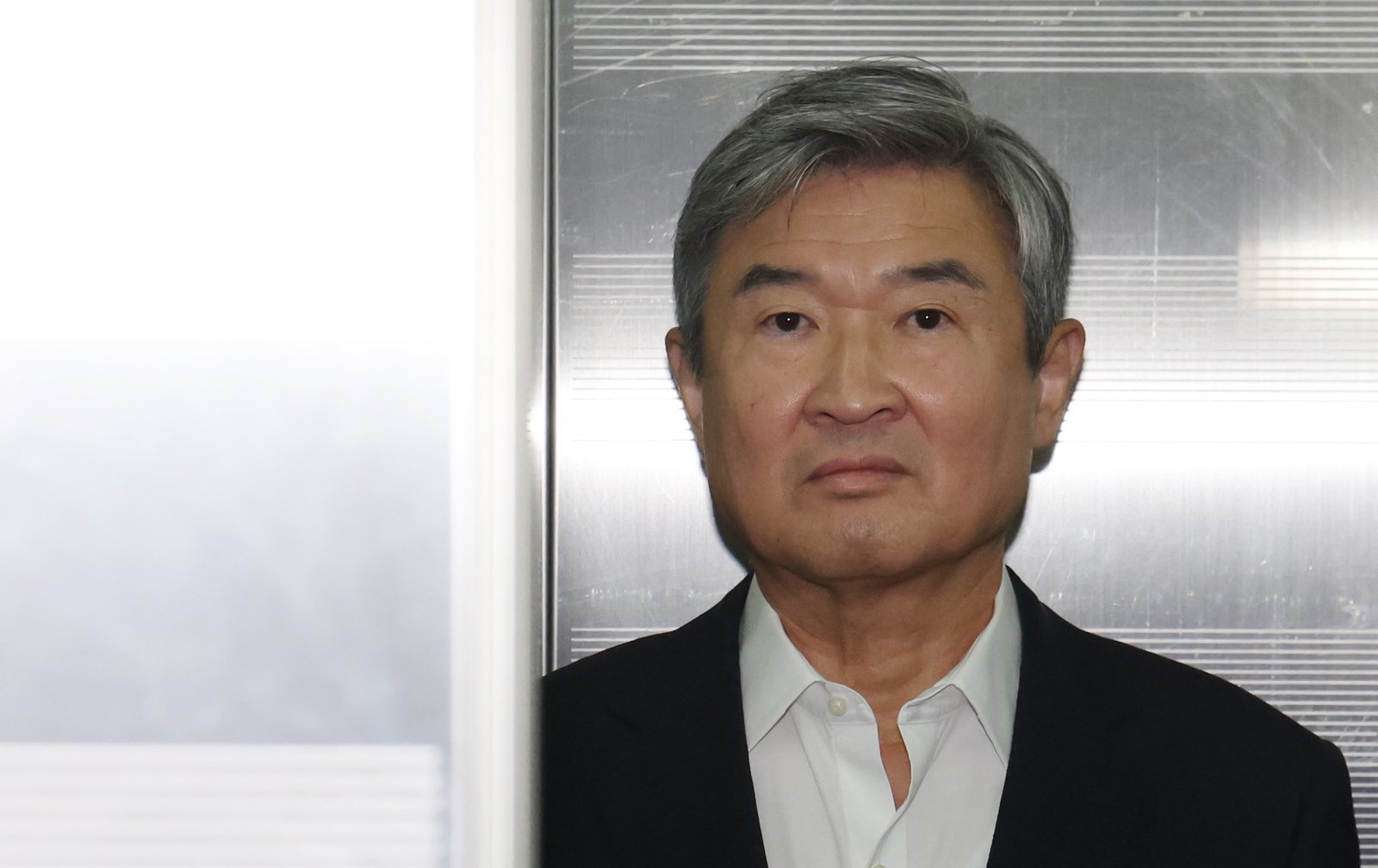
A special prosecutor's team in South Korea has indicted four former high-ranking officials from the National Intelligence Service (NIS) on charges of participating in the 1979 martial law. Among those indicted are former NIS Director Cho Tae-yong and former First Deputy Director Hong Jang-won.
The indictment includes charges of participating in crucial martial law duties and abuse of power under the National Intelligence Service Act. Cho Tae-yong is accused of giving comprehensive instructions to NIS officials to carry out the martial law as per the 'Eulji exercise' plan. He also faces charges for allegedly instructing subordinates to convey messages to allied nations, including the United States, advocating for the martial law's legitimacy.
Do as the Eulji exercise dictates.
Hong Jang-won is charged with instructing department heads under his command to establish contact points with the Defense Security Command and the National Police Agency, and to dispatch personnel to the National Police Agency's situation room during the martial law period. However, Hong's side denies issuing such instructions.
Former Second Deputy Director Hwang Won-jin is accused of directing the selection of investigation targets upon the restoration of the NIS's counter-espionage authority, while former Planning and Coordination Office Chief Kim Nam-woo is charged with selecting personnel to be dispatched to the martial law situation room. Meanwhile, Cho Tae-yong's sentence was increased to two years and six months in prison in an appellate court ruling for perjury related to the martial law. He was previously tried for denying, in testimony before the National Assembly and the Constitutional Court, that he had received a report from Hong Jang-won regarding an order to arrest politicians. While the first trial acquitted him, finding insufficient evidence to conclude he was aware of the arrest order, the appellate court overturned this decision.
Establish contact points with the Defense Security Command and the National Police Agency, and dispatch personnel to the National Police Agency's situation room.
DistantNews Editorial
Originally published by Hankyoreh in Korean. Translated, summarized, and contextualized by our editorial team with added local perspective. Read our editorial standards.
More Stories


From Our Blog

What Gets Lost (and Found) When News Is Translated

The Critical Role of Diaspora Media in Global News

What Travellers Should Know About Countries with Restricted Press

A Digital Nomad's Guide to Following Local News

How the Same Story Looks Different in Different Countries
