

Former Top General: Trump Administration 'Polluted the Military with Politics'
Translated from Korean, summarized and contextualized by DistantNews.
At a glance
Analysis
Named sources
Context piece
- Former Chairman of the Joint Chiefs of Staff, Charles Brown, criticized the Trump administration for deploying the military in major U.S. cities.
- Brown argued that using the military for "politically controversial missions" like crime suppression undermines its traditional non-partisan role and distracts from combat readiness.
- He specifically cited concerns about Trump's deployment of troops to cities like Los Angeles, Washington D.C., and Chicago to combat lawlessness.
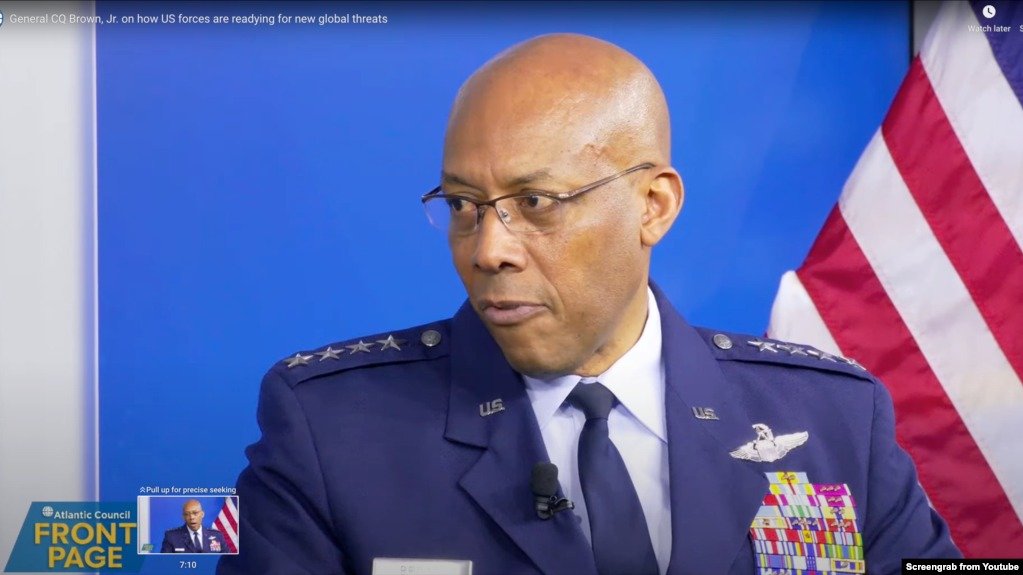
Charles Brown, the former Chairman of the Joint Chiefs of Staff, has strongly criticized the Trump administration's decision to deploy military forces within U.S. cities, labeling it an act that "polluted the military with politics." Brown, who was dismissed by former Defense Secretary Pete Hegseth last year, expressed his concerns in a joint op-ed published in Foreign Affairs.
Brown argued that deploying the military for "politically controversial missions," such as suppressing crime, risks undermining the armed forces' traditional non-partisan role. He warned that such actions could divert attention from essential combat missions and potentially endanger the military's standing.
"The public will readily accept the help of the military in the face of a real national disaster," Brown wrote. "But when presidents use the military for more politically charged missions, like dealing with domestic crime in cities, the military's job becomes more precarious." He specifically voiced significant concerns regarding President Trump's decision to deploy thousands of troops to cities including Los Angeles, Washington D.C., and Chicago, under the justification of fighting lawlessness.
The former chairman's remarks highlight a growing debate about the appropriate use of military assets in domestic situations, particularly when those situations involve politically charged issues. Brown's perspective emphasizes the importance of maintaining the military's apolitical status to preserve its credibility and effectiveness both domestically and internationally.
The public will readily accept the help of the military in the face of a real national disaster. But when presidents use the military for more politically charged missions, like dealing with domestic crime in cities, the military's job becomes more precarious.
DistantNews Editorial
Originally published by Dong-A Ilbo in Korean. Translated, summarized, and contextualized by our editorial team with added local perspective. Read our editorial standards.
More Stories


From Our Blog

What Gets Lost (and Found) When News Is Translated

The Critical Role of Diaspora Media in Global News

What Travellers Should Know About Countries with Restricted Press

A Digital Nomad's Guide to Following Local News

How the Same Story Looks Different in Different Countries
