

Former U.S. envoy outlines challenges in next phase of Iran negotiations
Summarized and contextualized by DistantNews.
At a glance
Interview
Named sources
Ongoing story
- The potential for a cease-fire between Israel and Hezbollah to hold is uncertain, with differing interpretations of the deal creating friction.
- Israel insists on a free hand for self-defense in southern Lebanon, while Iran views the deal as requiring respect for Lebanese sovereignty.
- The U.S. is attempting to salvage the deal, facing a delicate balancing act involving pressure on Netanyahu and Iran's willingness to overlook violations.
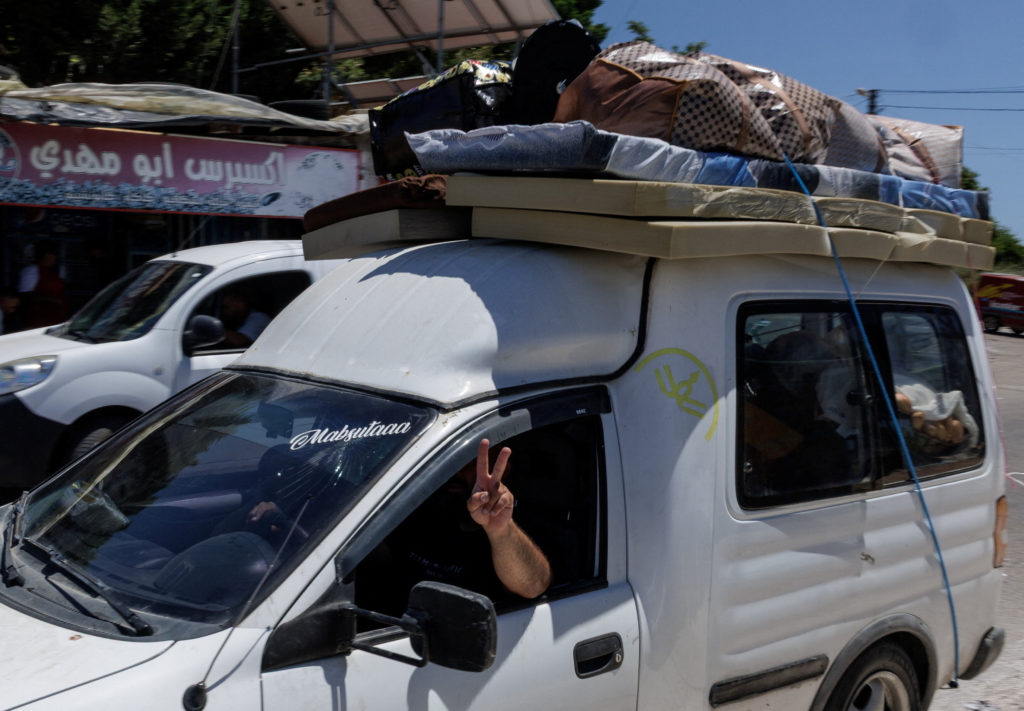
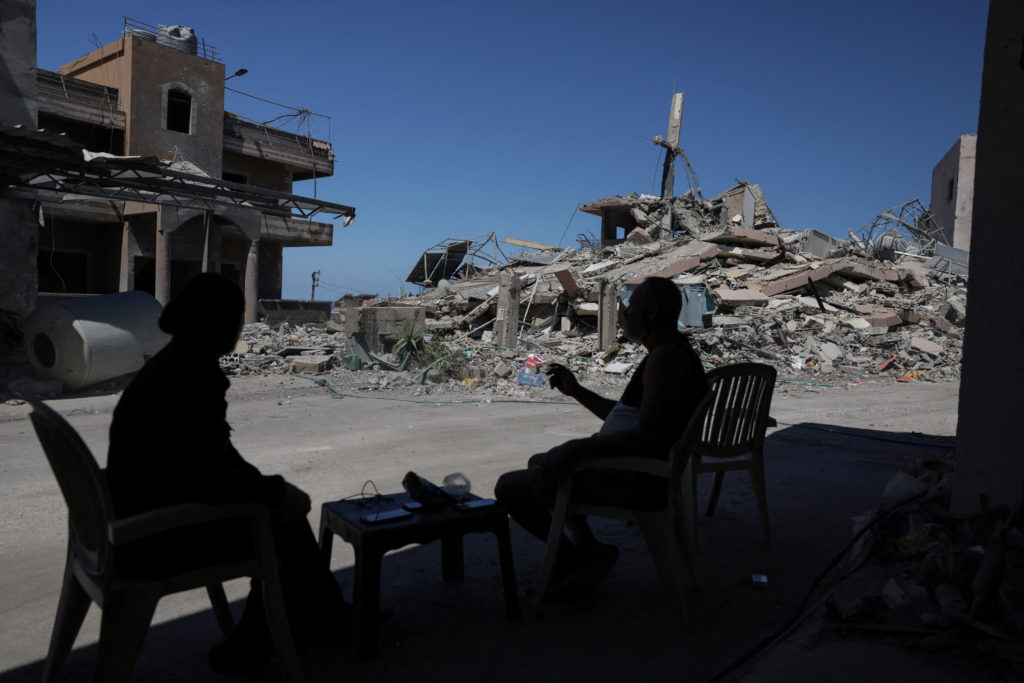
The prospect of a lasting cease-fire between Israel and Hezbollah remains fraught with ambiguity and potential for conflict, according to former U.S. special envoy Rob Malley. He described the current deal as "brimming with ambiguity, with discrepant interpretations, room for discord, nowhere and nowhere more violently than when it comes to Lebanon."
this is a deal that is brimming with ambiguity, with discrepant interpretations, room for discord, nowhere and nowhere more violently than when it comes to Lebanon.
Malley highlighted the core tension: Israel maintains its right to act for self-defense in southern Lebanon and has no intention of withdrawing. Conversely, Iran interprets the agreement as mandating a comprehensive cease-fire that includes respect for Lebanese sovereignty and an end to occupation. The U.S. appears to be scrambling to preserve the agreement, navigating these conflicting demands.
in that case, Israel's position is, we should have a free hand to take the action that we believe is necessary for our self-defense, for our security, and we're certainly not going to withdraw from Southern Lebanon.
This delicate situation requires a complex balancing act. The key questions revolve around whether the U.S. will exert sufficient pressure on Israeli Prime Minister Netanyahu, if Netanyahu is willing to risk alienating his political base by accepting an imposed cease-fire, and if Iran will tolerate certain cease-fire violations without crossing a critical threshold. Malley suggested these dynamics are likely to play out over the coming days.
Iran takes the view that the deal provides for a comprehensive cease-fire, which they interpret as meaning respect for Lebanese sovereignty and therefore an end to the occupation.
Regarding the broader regional impact, Malley noted that while Gulf countries are more supportive of the current deal than they were of the 2015 JCPOA, their enthusiasm is overstated. Their relief stems less from loving the current deal and more from a desire to end a war that was economically damaging and tarnishing their image of stability, particularly for financial hubs like Dubai.
And the U.S. doesn't really seem to know what it wants, other than to scramble repeatedly to salvage the deal.
DistantNews Editorial
Originally published by PBS NewsHour. Summarized and contextualized by our editorial team with added local perspective. Read our editorial standards.
More Stories


From Our Blog

How the Same Story Looks Different in Different Countries

What Gets Lost (and Found) When News Is Translated

The Critical Role of Diaspora Media in Global News

What Travellers Should Know About Countries with Restricted Press

A Digital Nomad's Guide to Following Local News
