


France eases strict cheese rules after prolonged drought
Translated from Danish and summarized by DistantNews. Read the original for the full story.
At a glance
News
Sources not specified
Context piece
- France is relaxing strict rules for producing certain iconic cheeses due to a severe and prolonged drought.
- The heatwave has significantly reduced the availability of natural grazing feed for dairy animals.
- Producers are now permitted to adjust the animals' diets to cope with the scarcity of natural food sources.
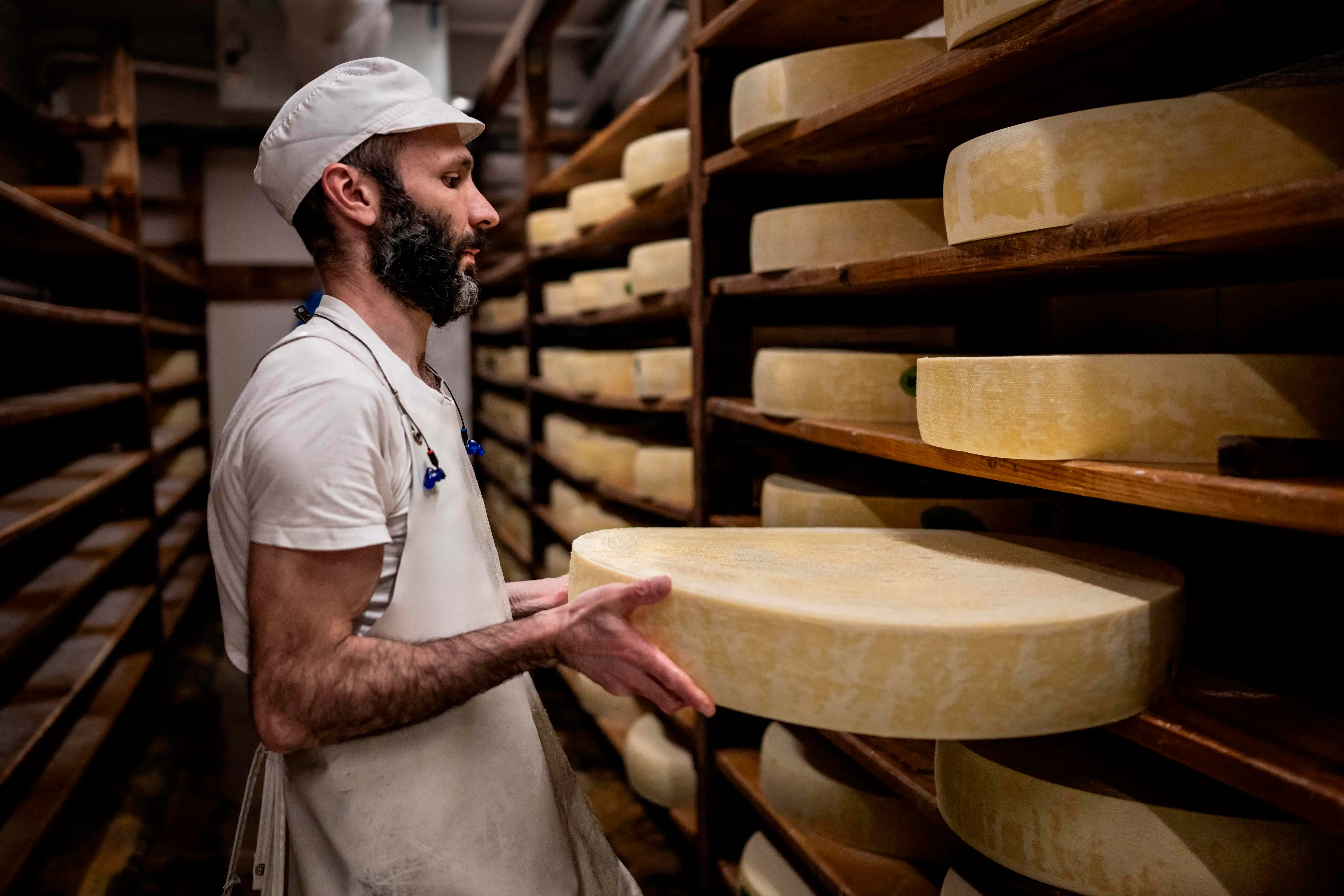
France is temporarily easing its stringent regulations for the production of some of its most famous cheeses, a move necessitated by a severe and prolonged drought. The intense heat has decimated pastures, leaving farmers with significantly reduced natural grazing options for the animals that supply milk for these celebrated dairy products.
This regulatory adjustment allows producers of iconic French cheeses to modify the feed given to their milk-producing animals. The scarcity of natural forage, a direct consequence of the ongoing heatwave, has made it impossible for many animals to maintain their traditional diet. The relaxed rules aim to ensure a consistent milk supply despite the challenging environmental conditions.
The drought's impact extends beyond pastures, affecting agricultural output across Europe. Farmers are being forced to adapt their practices to new environmental realities, with the heatwave compelling innovative approaches to livestock management and feed sourcing. This situation underscores the growing vulnerability of traditional food production systems to climate change.
Concerns are also rising about the broader economic implications, including potential increases in supermarket bills next year. Furthermore, the quality and availability of other agricultural products, such as coffee, are being threatened by extreme weather events like heavy rains, highlighting a global challenge in maintaining stable food supplies.
About this summary
Originally published by Berlingske in Danish. Translated, summarized, and contextualized automatically by DistantNews, with a note on how the source frames the story. Not individually reviewed before publishing. How this works.
More Stories



From Our Blog

What Gets Lost (and Found) When News Is Translated

The Critical Role of Diaspora Media in Global News

What Travellers Should Know About Countries with Restricted Press

A Digital Nomad's Guide to Following Local News

How the Same Story Looks Different in Different Countries
