


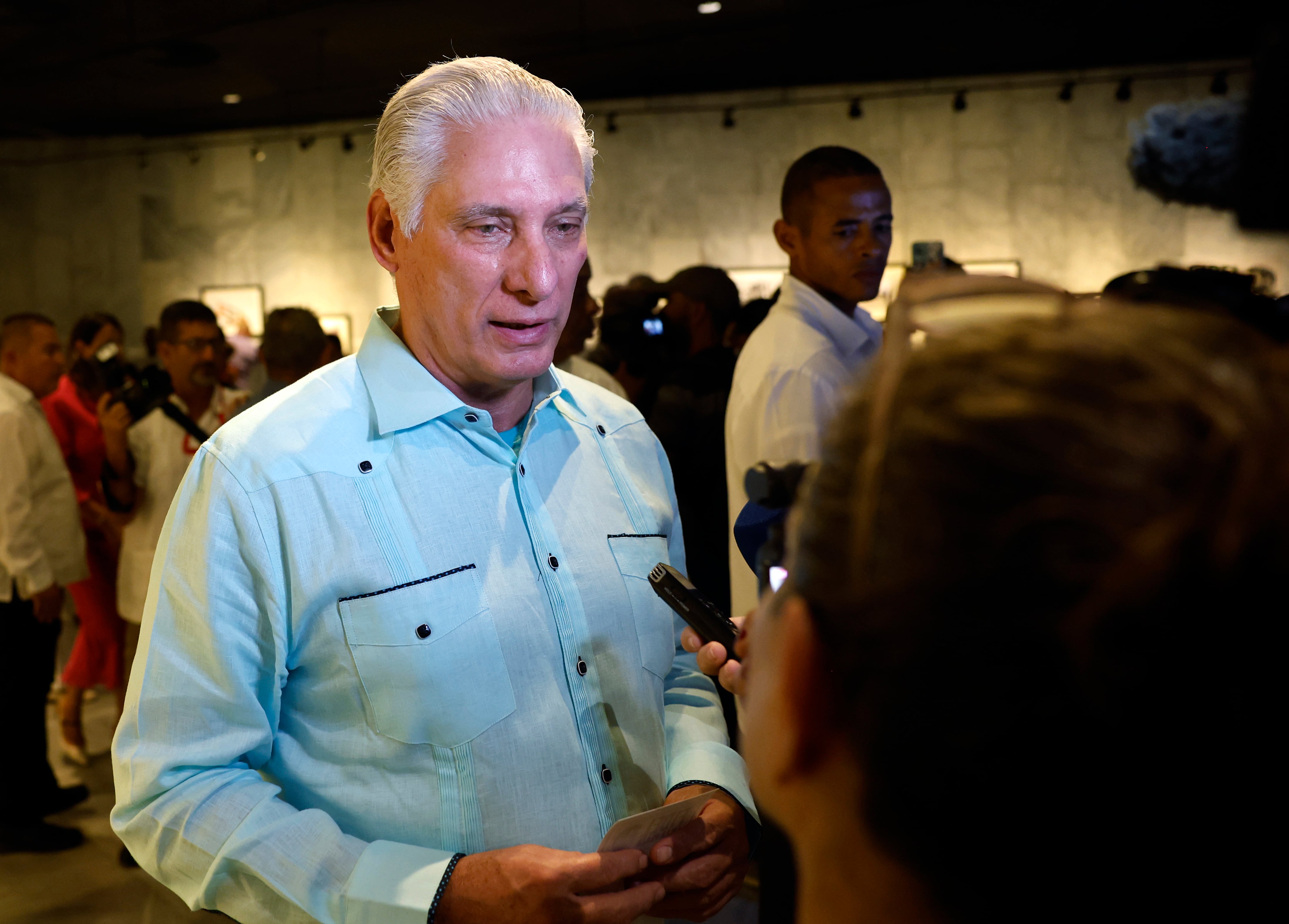
 Image: Stephanie Lecocq (REUTERS)
France's Economy Stagnates in Second Quarter After GDP Revision
Translated from Spanish and summarized by DistantNews. Read the original for the full story.
At a glance
News
Official statement
Outcome reported
- France's economy showed zero growth in the second quarter, a downward revision from the initial 0.2% estimate, according to the Insee.
- The GDP contracted by 0.2% in the first quarter, worse than the previously predicted 0.1% fall, partly due to heatwaves impacting agricultural output.
- The economy narrowly avoids technical recession, but inflation rose to 2.4% in July, creating a stagflationary environment.
The French economy stagnated in the second quarter, registering zero growth, as reported by the official statistics institute, Insee. This figure represents a downward revision from the initial estimate of 0.2% for the period. The institute also revised the data for the first three months of the year, showing a 0.2% contraction in Gross Domestic Product (GDP), a more significant fall than the previously anticipated 0.1%.
This worsening economic situation is partly attributed to the effects of severe heatwaves on agricultural production. Economy Minister Roland Lescure described the downward revision as "the first concrete impact of the horrible summer" France has experienced, calling it an "absolutely terrifying, enormous" impact. The second-largest economy in the eurozone is thus narrowly avoiding a technical recession, defined as two consecutive quarters of GDP decline.
The Insee justified the revision by citing a more deteriorated situation in agricultural output than was initially available in late July. "Harvests will be extremely difficult in several sectors and regions. By incorporating this information, Insee has revised down growth for the first and second quarters, which will also affect the third," Lescure anticipated. France has endured an extremely hot summer with historical droughts in many regions, and the government had already warned of the economic consequences of successive heatwaves and devastating wildfires.
Further dampening optimism, inflation rose by three-tenths of a point to 2.4% in July. While more contained than in neighboring countries, this rise occurs while the economy remains stagnant, a situation known as stagflation. The sole positive note in the second quarter was the recovery of household consumption, which grew by 0.3% after a 0.3% decline in the previous quarter.
These revised figures cast doubt on the French government's current growth forecast for 2026, which had projected 0.7% GDP growth. Achieving this target now appears highly challenging following the first-quarter contraction and the second-quarter stagnation. Prime Minister Sébastien Lecornu is finalizing next year's budget, expected to include austerity measures to reduce the deficit, which stood at 5.1% of GDP in 2025, far exceeding the 3% limit set by Brussels.
About this summary
Originally published by El País in Spanish. Translated, summarized, and contextualized automatically by DistantNews, with a note on how the source frames the story. Not individually reviewed before publishing. How this works.
More Stories


From Our Blog

What Gets Lost (and Found) When News Is Translated

The Critical Role of Diaspora Media in Global News

What Travellers Should Know About Countries with Restricted Press

A Digital Nomad's Guide to Following Local News

How the Same Story Looks Different in Different Countries
