


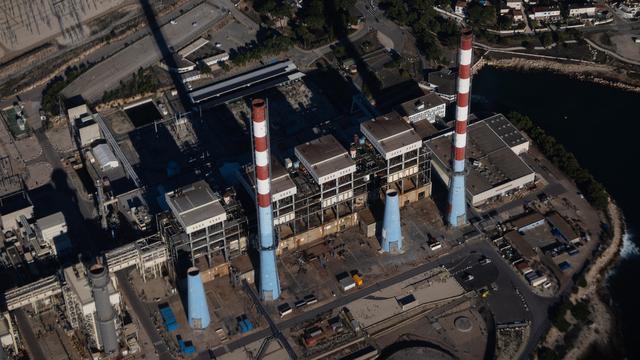
French gas plant idles as Mediterranean heat strains power grid
Translated from German, summarized and contextualized by DistantNews.
At a glance
News
Sources not specified
Context piece
- A French gas power plant in Martigues has been shut down due to high Mediterranean water temperatures, limiting cooling water access.
- This is the first time a French gas plant has been idled for heat-related reasons since 2022, exacerbating energy supply issues.
- Nuclear power, which provides about 70% of France's electricity, is also significantly impacted by warm rivers and low water levels, reducing capacity by approximately 14%.
France's energy infrastructure faces a double blow from climate change, with both its gas and nuclear power sectors struggling under extreme heat. The EDF gas plant in Martigues, with a capacity of 930 megawatts, was forced offline because rising Mediterranean water temperatures restricted its access to cooling water. This marks the first heat-related shutdown of a French gas plant since 2022, intensifying concerns over the nation's energy supply.
The situation is compounded by significant reductions in nuclear power output. Warm rivers have already curtailed 4.9 gigawatts of nuclear capacity, with an additional 2.5 gigawatts unavailable due to low water levels. These combined losses represent about 14% of the country's total nuclear generating capacity, which is crucial as nuclear power provides roughly 70% of France's electricity.
Thibault Laconde, founder of climate data analysis firm Callendar, noted the unprecedented nature of these "climate-driven outages," affecting reactors typically spared such issues. While the current heatwave is expected to subside, persistent drought continues to worsen across France, threatening further disruptions. The shutdown of the Martigues plant, though a gas facility, highlights the broader vulnerability of the energy grid to climate extremes.
We have experienced two waves of climate-driven outages that were unprecedented in their scale and timing, affecting reactors that are normally spared.
DistantNews Editorial
Originally published by Die Zeit in German. Translated, summarized, and contextualized by our editorial team with added local perspective. Read our editorial standards.
More Stories

From Our Blog

What Gets Lost (and Found) When News Is Translated

How the Same Story Looks Different in Different Countries

The Critical Role of Diaspora Media in Global News

What Travellers Should Know About Countries with Restricted Press

A Digital Nomad's Guide to Following Local News
