


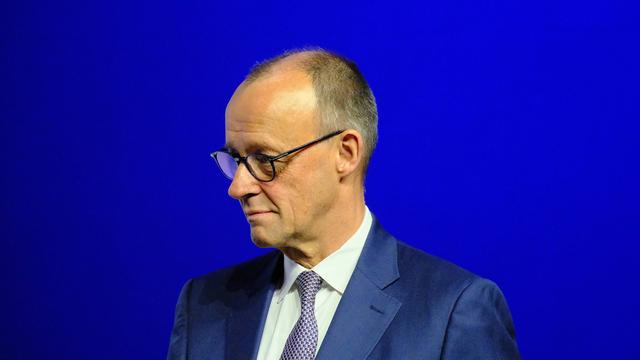
Friedrich Merz: The Chancellor Seeks His Narrative
Translated from German, summarized and contextualized by DistantNews.
TLDR
- Friedrich Merz, a prominent German politician, is adopting a new tone on reforms and social issues.
- He spoke about fair wages, work-life balance, and the struggles of ordinary citizens, a departure from his usual rhetoric.
- This shift comes after a backlash regarding his previous comments on the statutory pension system.
Friedrich Merz, a leading figure in German politics, appears to be recalibrating his public image and policy pronouncements, particularly following recent criticism. His recent address in Marburg, where he spoke of reforms with a notably softer tone, suggests a strategic pivot aimed at broadening his appeal and addressing concerns previously overlooked.
So kann Friedrich Merz also auch. Der Kanzler steht auf einer Bühne in einem Marburger Kulturzentrum, draußen protestieren junge Leute, aber drinnen schafft es der oft so kühle Merz, ein wohliges Gefühl zu erzeugen.
Instead of his characteristic focus on fiscal conservatism or critiques of social policies, Merz engaged with themes of fair wages, the compatibility of work and family life, and the economic pressures faced by various segments of society, including skilled workers and young professionals. This shift in emphasis, particularly his more nuanced stance on the statutory pension system, marks a significant departure from his prior, more austere pronouncements that suggested it would become merely a 'basic safeguard.'
Merz spricht über Reformen, aber nicht so, wie Merz sonst über Reformen spricht. Er redet über faire Löhne, über die Vereinbarkeit von Beruf und Familie, über Bäcker, Industriearbeiter, »die junge Ingenieurin«, die unter den Energiepreisen litten.
This apparent change in tack is likely a response to public and political pressure, particularly after the outcry over his previous remarks on pensions. By invoking the founding principles of the CDU and speaking directly to the concerns of everyday Germans, Merz seems to be attempting to connect with a wider electorate. This approach, while potentially pragmatic, raises questions about the sincerity of this newfound empathy and whether it represents a genuine evolution in his political philosophy or a calculated maneuver to regain public trust and support within the party and beyond.
Er klagt nicht wie so oft schon über Work-Life-Balance, nicht über zu hohe Krankenstände, vor allem sagt er über die gesetzliche Rente nicht, sie sei künftig »allenfalls« noch eine »Basisabsicherung«.
DistantNews Editorial
Originally published by Die Zeit in German. Translated, summarized, and contextualized by our editorial team with added local perspective. Read our editorial standards.
More Stories


From Our Blog

What Gets Lost (and Found) When News Is Translated

How the Same Story Looks Different in Different Countries

The Critical Role of Diaspora Media in Global News

What Travellers Should Know About Countries with Restricted Press

A Digital Nomad's Guide to Following Local News
