


From Aid Recipient to Global Leader: South Korea's 30 Years at the OECD
Translated from Korean, summarized and contextualized by DistantNews.
At a glance
Opinion
Named sources
Context piece
- South Korea, having transitioned from a recipient of aid to a leader in the international arena, is celebrating 30 years since joining the OECD and successfully serving as vice chair of the ministerial council.
- The country's journey from post-war ruins to a developed nation playing a central role in global forums is seen as a remarkable success story by the OECD.
- South Korea is actively sharing its development experience with aspiring OECD member countries and contributing to international cooperation on issues like open markets, sustainable growth, and inclusive prosperity.
South Korea is marking a significant milestone this year, celebrating 30 years since its accession to the Organization for Economic Co-operation and Development (OECD) in December 1996. The nation has also successfully fulfilled its role as vice chair of the OECD Ministerial Council, with further events planned. This period highlights South Korea's remarkable transformation from a nation that once relied on foreign aid in the aftermath of the Korean War to a prominent global player.
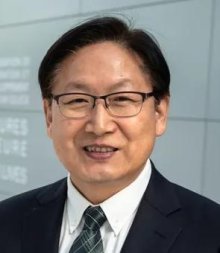
Ambassador Baek Tae-woong of the Permanent Delegation of the Republic of Korea to the OECD noted the profound sense of accomplishment derived from witnessing South Korea's elevated global standing firsthand. He recalled a session in June where Korean experiences were shared with ministers and officials from seven countries preparing to join the OECD. Despite facing challenges, including the 1997 Asian financial crisis, South Korea leveraged these as opportunities for economic restructuring. OECD Secretary-General Mathias Cormann lauded South Korea as a prime example of the organization's most successful cases.
The process of reforming a nation's political and economic systems is fraught with difficulty, often involving prolonged conflicts and confrontations. However, the voluntary commitment of government representatives to reform in areas such as justice, human rights, economics, digital, and environmental issues, in line with international standards, was particularly impressive. The preparation for the ministerial council meeting involved extensive discussions among invited countries regarding participant selection and the final joint communiqué.
The journey of South Korea, which received aid from the ruins of the Korean War, achieving both democracy and economic development, and now playing a central role on the international stage alongside various developed countries, is truly astonishing.
Ultimately, the event convened over 89 countries, with high-level representatives including prime ministers, deputy prime ministers, and vice ministers, alongside international organization officials. Themed 'Open Markets, Sound Industrial Policy for Growth and Prosperity,' the council featured official sessions, 16 side events, and various bilateral and multilateral consultations. South Korean delegates, including Yeo Han-koo (Minister for Trade), Huh Jang (Vice Minister for Economy and Finance), Kim Jin-ah (Vice Minister for Foreign Affairs), and Ryu Je-myung (Vice Minister for Science and ICT), played active roles. The council adopted an chairperson's statement and 15 activity reports.
Cultural performances, including a traditional Korean percussion group and a K-pop singer, added to the atmosphere of the ministerial council. Amidst escalating geopolitical tensions, regional fragmentation, and conflicts like the war in Ukraine, the meeting underscored the importance of multilateralism and shared values. Building on its achievements, South Korea aims to continue leading international cooperation towards an open and fair global economic order, sustainable growth, and inclusive prosperity.
South Korea is the most outstanding success story that the OECD has prominently presented.
DistantNews Editorial
Originally published by Dong-A Ilbo in Korean. Translated, summarized, and contextualized by our editorial team with added local perspective. Read our editorial standards.
More Stories


From Our Blog

What Gets Lost (and Found) When News Is Translated

The Critical Role of Diaspora Media in Global News

What Travellers Should Know About Countries with Restricted Press

A Digital Nomad's Guide to Following Local News

How the Same Story Looks Different in Different Countries
