


From Chip Design to HBM, China Accelerates Its Drive for Semiconductor Self-Reliance
Translated from Korean and summarized by DistantNews. Read the original for the full story.
At a glance
News
Named sources
New plan
- Chinese AI chip designer Enflame Technology plans to raise 6.12 billion yuan through a Shanghai Star Market listing.
- Memory maker CXMT has begun limited production of HBM3E, with larger-scale output planned for 2027.
- The moves form part of China’s effort to reduce reliance on Nvidia and build a domestic semiconductor supply chain, alongside similar initiatives in India and Japan.
China is pushing to cover more of the semiconductor chain at home, from designing artificial-intelligence processors to producing the high-bandwidth memory used in AI accelerators. The latest moves involve two companies: Enflame Technology, an AI chip designer backed by Tencent, and CXMT, China’s largest DRAM maker.
Enflame plans to list on the Shanghai Stock Exchange’s Star Market and raise 6.12 billion yuan. Its offering price is set at 142.18 yuan per share, with about 43 million shares representing 10% of its post-listing stock. The subscription is scheduled for the second day of the month.
Enflame is grouped with Moore Threads, Biren Technology and MetaX as China’s “four little dragons” in AI semiconductors. The companies have attracted attention as Beijing and Chinese businesses seek alternatives to a market dominated by Nvidia. Nvidia accounted for 55% of China’s AI accelerator shipments last year, according to SWS Research, while Enflame held 1.7%.
Tencent owns about 20% of Enflame and serves as its main customer. Tencent’s share of the company’s revenue rose from 38% in 2024 to 84% last year. Enflame’s first-half revenue grew 279% year on year to 1.12 billion yuan, but it recorded a net loss of 632 million yuan.
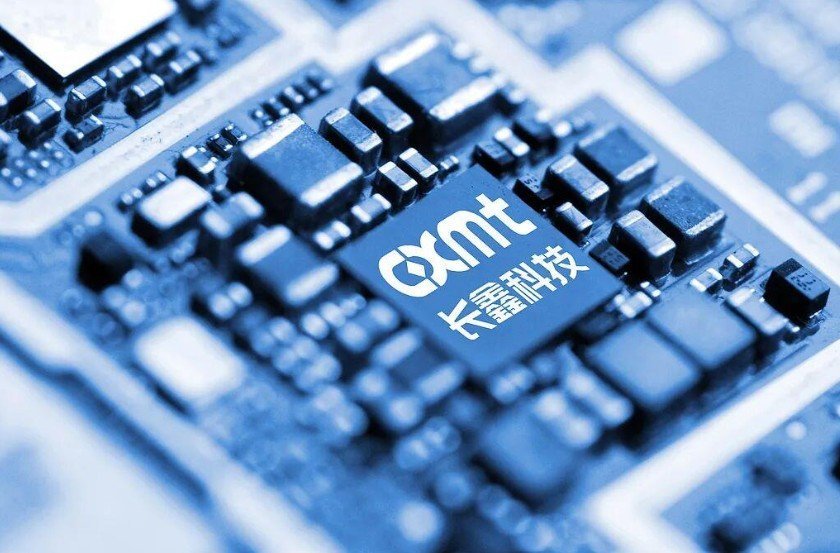
CXMT has also started limited production of HBM3E, according to Reuters, citing The Information. The company plans to expand production in 2027. Alibaba’s T-Head and Cambricon are testing CXMT’s memory in their processors, with products using it expected early next year if the plans proceed. India and Japan are pursuing their own semiconductor self-reliance programs, showing that the push extends beyond China.
About this summary
Originally published by Dong-A Ilbo in Korean. Translated, summarized, and contextualized automatically by DistantNews, with a note on how the source frames the story. Not individually reviewed before publishing. How this works.
More Stories



From Our Blog

What Gets Lost (and Found) When News Is Translated

The Critical Role of Diaspora Media in Global News

What Travellers Should Know About Countries with Restricted Press

A Digital Nomad's Guide to Following Local News

How the Same Story Looks Different in Different Countries
