


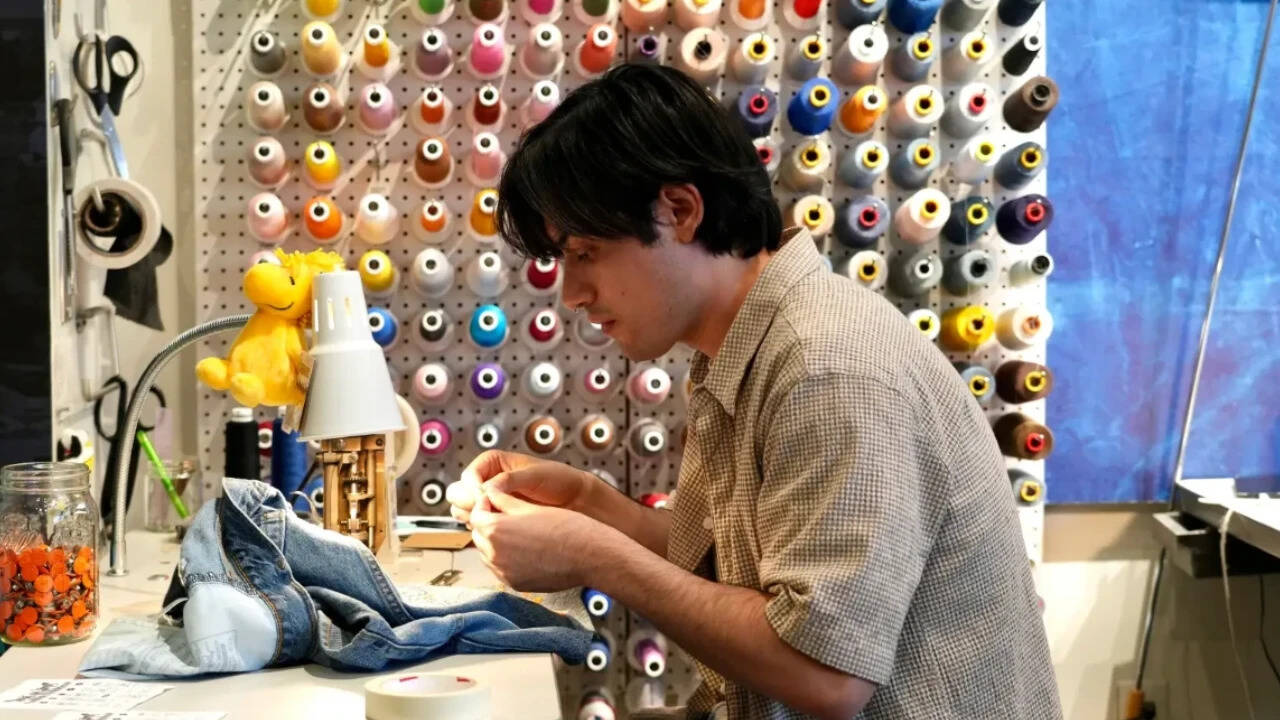
From fast fashion to fast repairs: Clothing brands push in-store mending to draw GenZ
Summarized and contextualized by DistantNews.
At a glance
News
Sources not specified
Context piece
- Clothing brands are increasingly offering in-store repair services to attract younger consumers, particularly Gen Z.
- These services aim to counter the environmental impact of fast fashion and promote sustainability.
- The initiative taps into Gen Z's growing interest in conscious consumption and extending the lifespan of garments.
Fast fashion's environmental toll is prompting a shift in the apparel industry, with brands now embracing in-store repair services to engage a new generation of consumers. This move is particularly aimed at Gen Z, a demographic increasingly vocal about sustainability and conscious consumption.
Brands are recognizing that offering mending services can be a powerful draw. It not only addresses the growing desire among younger shoppers to reduce waste but also provides a tangible way for them to extend the life of their clothing. This approach directly challenges the disposable nature of fast fashion, positioning brands as more responsible and aligned with evolving consumer values.
The strategy taps into a broader trend where consumers, especially Gen Z, are seeking more than just new products. They are looking for experiences, ethical practices, and ways to participate in a circular economy. By offering repairs, brands can foster customer loyalty and create a unique selling proposition that goes beyond price or style alone. It's a way to build a relationship with customers based on shared values of sustainability and mindful purchasing.
This initiative represents a significant pivot for an industry often criticized for its environmental footprint. As brands invest in in-store repair capabilities, they signal a commitment to a more sustainable future. This can help them attract and retain a generation that is keenly aware of the impact of their purchasing decisions and is actively seeking brands that reflect their own ethical standards.
DistantNews Editorial
Originally published by Times of India. Summarized and contextualized by our editorial team with added local perspective. Read our editorial standards.
More Stories

‘Can respect be legislated?’: Tharoor's ‘12 minutes’ question as new law for Vande Mataram okayed by…

Google Withheld Dhruv Rathee Video in India After Government Order Over Deity Disparagement Claims

‘New Parliament, PM house, why not…': CJP's Abhijeet Dipke launches campaign to improve govt schools…
From Our Blog

What Press Freedom Means for the News You Read

What Gets Lost (and Found) When News Is Translated

The Critical Role of Diaspora Media in Global News

What Travellers Should Know About Countries with Restricted Press

A Digital Nomad's Guide to Following Local News
