


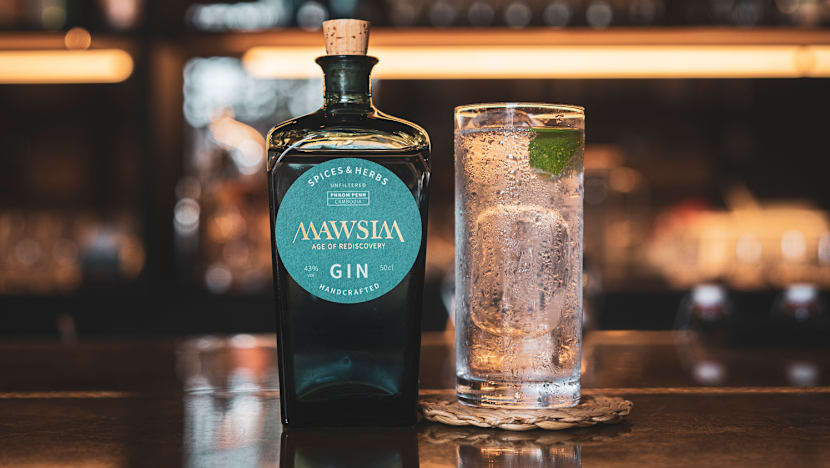
From Invasive Weed to Award-Winning Gin: Cambodia's Mawsim Innovation
Translated from English, summarized and contextualized by DistantNews.
At a glance
In-depth
Sources not specified
Context piece
- A Cambodian micro-distillery, Mawsim, is transforming invasive water hyacinth into award-winning gin.
- The project, led by Japanese recycling company Sunwaspa Inc., aims to address environmental issues caused by the plant choking waterways.
- Mawsim's Tropical Citrus gin won World's Best Flavoured Gin at the World Gin Awards in 2023, showcasing an innovative approach to waste management and product development.
In Cambodia, an environmental menace is being transformed into a celebrated spirit. Mawsim, a micro-distillery in Phnom Penh, is turning water hyacinth, a rapidly spreading invasive plant that chokes waterways and disrupts local life, into award-winning gin. This innovative venture is the brainchild of Sunwaspa Inc., a Japanese recycling company with over half a century of experience in waste management.
The operation is overseen by Mawsim COO and master distiller Kenji Tsuzaki, who, along with lead distiller Ryuji Nukata, brought their expertise from the recycling industry. While neither had distilled alcohol before, Tsuzaki's background as a sake sommelier provided a foundation in fermentation. The team dedicated themselves to learning the craft through trial and error, developing a unique gin recipe.
The journey from Japanese waste management to Cambodian gin began with Sunwaspa's research into bioethanol production from cellulose, the structural material in plant cell walls. This process does not rely on food crops and can utilize various plant matter, including green waste. Facing regulatory challenges in Japan, the company sought opportunities in Southeast Asia.
In Cambodia, Tsuzaki encountered the pervasive issue of water hyacinth overwhelming Tonle Sap, Southeast Asia's largest freshwater lake. This invasive species, native to South America, poses a significant threat to the lake's ecosystem and the livelihoods of communities dependent on its fisheries. Sunwaspa saw an opportunity to apply its expertise in cellulosic alcohol production, similar to its wastepaper recycling processes.
Initially, the plan was to harvest the water hyacinth, convert it into bioethanol, and sell it as affordable renewable fuel for local fishing boats. However, the economics of producing cellulosic bioethanol with existing technology proved too costly. This challenge led to the pivot towards gin production, a decision that has since been validated by international acclaim. In 2023, Mawsim's Tropical Citrus gin was named World's Best Flavoured Gin at the World Gin Awards, highlighting the successful transformation of an environmental problem into a high-value product.
DistantNews Editorial
Originally published by CNA in English. Translated, summarized, and contextualized by our editorial team with added local perspective. Read our editorial standards.
More Stories



From Our Blog

What Gets Lost (and Found) When News Is Translated

The Critical Role of Diaspora Media in Global News

What Travellers Should Know About Countries with Restricted Press

A Digital Nomad's Guide to Following Local News

How the Same Story Looks Different in Different Countries
