


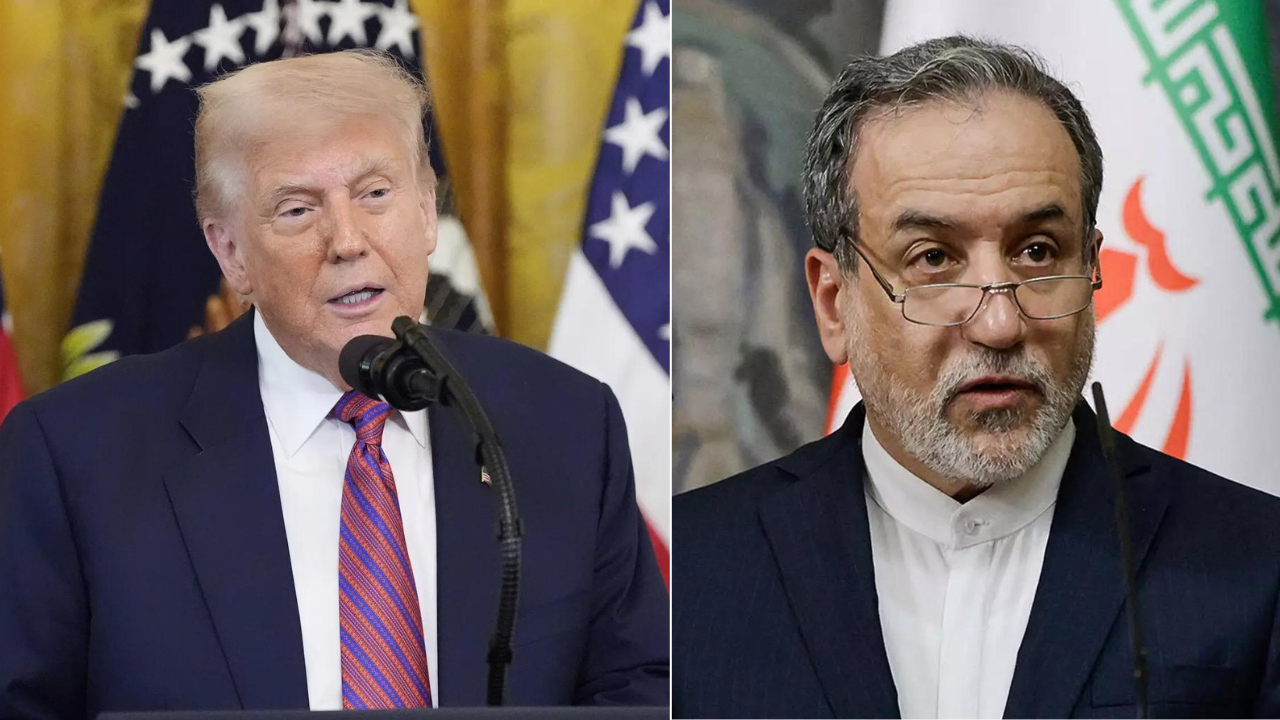
From Lebanon ceasefire to nuclear talks: What are the terms proposed by Iran in 'Islamabad Agreement'?
Translated from English, summarized and contextualized by DistantNews.
At a glance
News
Named sources
Ongoing story
- Iran has proposed conditions for an agreement with the U.S., focusing on sanctions relief and regional security.
- Key demands include lifting the U.S. naval blockade and a new arrangement for the Strait of Hormuz.
- While U.S. President Trump claims a deal is imminent, Iran emphasizes that the text is still under review.
As negotiations between the United States and Iran inch closer to a potential agreement, Iranian officials have laid out a series of conditions they deem essential for any final deal. While the U.S. has primarily focused on Iran's nuclear program, Tehran has also pressed for measures addressing sanctions, maritime access, and regional security.
The first article of the proposed memorandum focuses on ending restrictions on Iranian shipping and trade.
Iran has presented its conditions for ending hostilities with the U.S., with Foreign Minister Abbas Araghchi stating that a proposed memorandum of understanding (MoU) is nearing completion. This framework, reportedly known as the 'Islamabad Memorandum of Understanding' or 'Islamabad Agreement,' is intended as an interim arrangement to cease hostilities and pave the way for broader discussions on Iran's nuclear program. The agreement aims to extend the ceasefire, reopen the Strait of Hormuz, and establish a basis for future nuclear negotiations.
Despite repeated claims by U.S. President Donald Trump that a deal is imminent, Iranian officials have stressed that no final decision has been made and that Tehran's leadership is still reviewing the text. Iran's primary demand is the lifting of the U.S. naval blockade imposed during the conflict. Araghchi stated that the first article of the proposed memorandum addresses the end of restrictions on Iranian shipping and trade, emphasizing the lifting of the U.S. blockade on Iranian ports and shipping.
As for the Strait of Hormuz, its administration will no longer be the same as before.
The future of the Strait of Hormuz remains a highly sensitive point. The waterway, crucial for global oil and LNG transport, has been significantly disrupted. Iran has implemented a toll system during the conflict, while the U.S. insists on free passage. Araghchi indicated that Iran does not intend to revert to the previous arrangement, suggesting that commercial vessels will continue to pay for services provided by Tehran. He also stressed that Iran, in conjunction with Oman, would maintain authority over traffic through the strategic waterway, famously stating, "Our sword will always hang over the Strait of Hormuz."
There will be costs involved, and those costs must be paid.
Another significant Iranian demand is the inclusion of Lebanon in the agreement, although details on this aspect were not fully elaborated in the provided text.
Our sword will always hang over the Strait of Hormuz.
DistantNews Editorial
Originally published by Times of India in English. Translated, summarized, and contextualized by our editorial team with added local perspective. Read our editorial standards.
More Stories



From Our Blog

What Press Freedom Means for the News You Read

What Gets Lost (and Found) When News Is Translated

The Critical Role of Diaspora Media in Global News

What Travellers Should Know About Countries with Restricted Press

A Digital Nomad's Guide to Following Local News
