


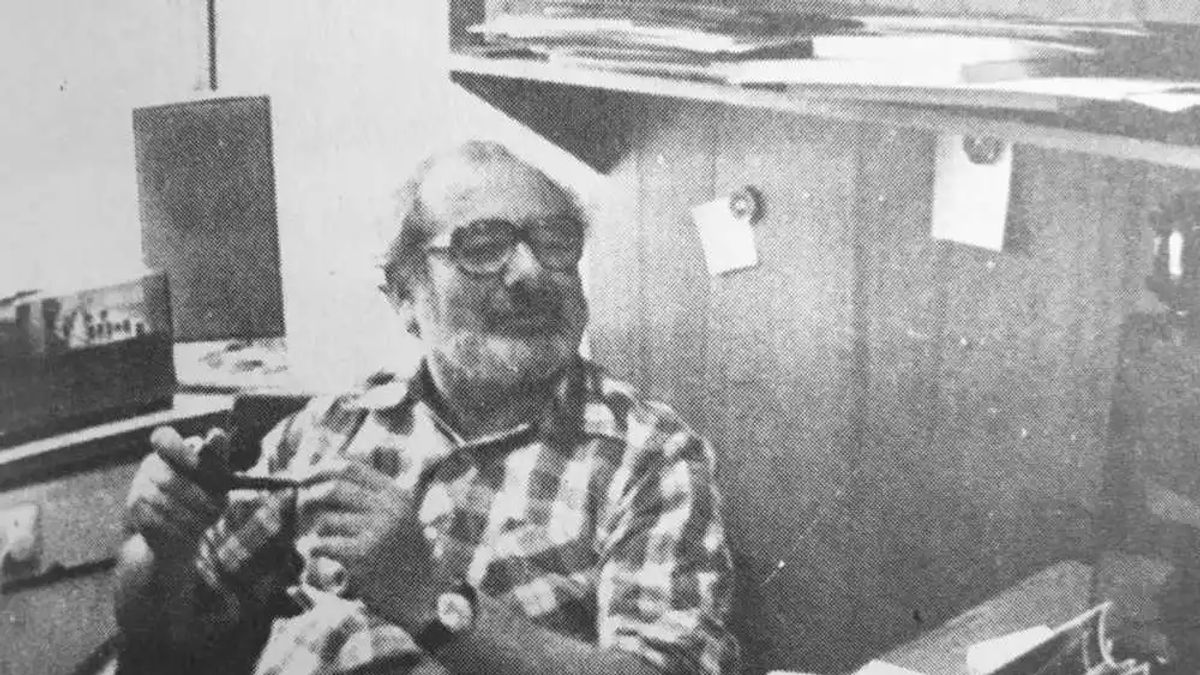
From Poet to Wing-Clipper: The Story of Péter Erdős + video
Translated from Hungarian, summarized and contextualized by DistantNews.
At a glance
In-depth
Sources not specified
New plan
- A new book titled "The Wing-Clipper" by Agnes Hankiss explores the life of Péter Erdős, a prominent figure in Hungarian pop music management.
- The book delves into Erdős's complex past, including his experiences during the Holocaust and his role in shaping the Hungarian music scene.
- It also touches upon Erdős's personal life and his relationship with his grandson, Dávid Vitézy, who is now a minister.
Agnes Hankiss's new book, "The Wing-Clipper," offers a deeply personal exploration of the life of Péter Erdős, a significant and often controversial figure in the history of Hungarian light music.
The book, set to be unveiled during the upcoming Book Week, promises to be a compelling read, largely due to its subject matter. Hankiss notes that the presentation will be particularly interesting given that Erdős's grandson, Dávid Vitézy, now serves as a minister. This familial connection adds a contemporary layer to the historical narrative.
Hankiss details how Erdős's early life was shaped by his parents' divorce, his father's aggressive personality, and early estrangement from his mother. While these experiences were significant, the author emphasizes that the Holocaust had a profound and lasting impact, describing it as a period when the world became "disenchanted."
Erdős survived forced labor service and a concentration camp, but Hankiss suggests that a part of his soul remained behind. He initially avoided confronting his experiences during the Nazi Third Reich, a common reaction for many in the 20th century who faced the horrors of the Holocaust, the Gulag, or other atrocities. The author posits that Erdős, like many others, compartmentalized the darkest parts of his past.
The book also examines Erdős's public persona, suggesting he played many roles throughout his life. Hankiss describes him as brave, never becoming a "pentito" (an informant who repents) despite multiple arrests and interrogations by communist authorities. He is portrayed as intelligent and cunning, capable of manipulating others' lives and fates, a skill he seemed proud of, regardless of the human cost. The narrative touches upon his authoritarian style, his love for adoration, and his tendency to boast about his connections and inside information, all while leading a reportedly dissolute personal life.
DistantNews Editorial
Originally published by Magyar Nemzet in Hungarian. Translated, summarized, and contextualized by our editorial team with added local perspective. Read our editorial standards.
More Stories



From Our Blog

Countries Without a Free Press: What You Need to Know

What Press Freedom Means for the News You Read

What Gets Lost (and Found) When News Is Translated

The Critical Role of Diaspora Media in Global News

What Travellers Should Know About Countries with Restricted Press
