


From the Middle of the World to the Great Offensive
Translated from Turkish, summarized and contextualized by DistantNews.
At a glance
In-depth
Sources not specified
Context piece
- The article reflects on the historical significance of Akşehir, Turkey, as the headquarters for the Great Offensive, connecting it to the town's cultural icon, Nasreddin Hoca.
- It details the strategic importance of Akşehir and the community's contributions to the war effort, highlighting the resourcefulness and sacrifices made.
- The piece contrasts the humor and wisdom of Nasreddin Hoca with the gravity of the military preparations that took place in Akşehir, emphasizing the town's pivotal role in Turkish history.
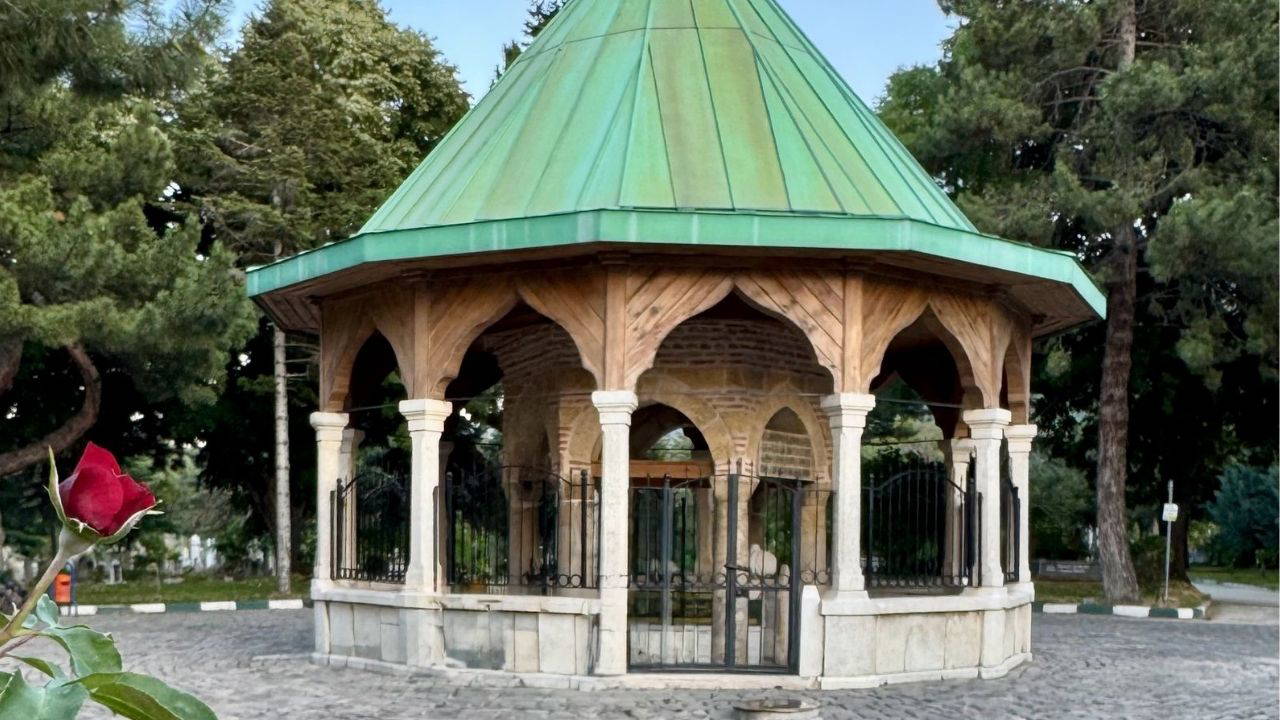
Akşehir, a town known for its connection to the humorous Nasreddin Hoca, served as a crucial hub for the preparations of the Great Offensive, a pivotal moment in Turkish history. The author visited during the 67th International Akşehir Nasreddin Hoca Festivals, reflecting on the dual nature of humor and resistance.
The town's Hıdırlık Hill hosted discussions on "Humor from Nasreddin to Today," exploring how laughter can be a powerful form of protest. Nearby, a stone marks "The Middle of the World," bearing the inscription, "This is the middle of the world. Measure it if you don't believe." This playful assertion by Nasreddin Hoca, a figure often remembered for his smiles, also embodies the resilience of Anatolian humor, which carries the weight of poverty and injustice. Hoca's laughter, the article suggests, is sometimes a way to cope with hardship.
This is the middle of the world. Measure it if you don't believe.
The narrative then shifts to the West Front Headquarters Museum, a former municipal building that housed the military command from 1921 to 1922. It was within these modest walls that the Great Offensive was planned. The author notes the palpable sense of history on the upper floors, where the rooms of Mustafa Kemal, İsmet Pasha, and Asım Gündüz still contain their desks, old telephones, and photographs.
We remember the Hoca always with his smiling face. However, the humor of Anatolia also carries poverty and injustice. The Hoca's laughter is sometimes a way not to cry.
Akşehir's selection as headquarters was strategic. Its location at the foot of the Sultan Mountains provided natural defenses, and the railway facilitated troop and supply movements. Local artisans worked for the army, repairing weapons, while women sewed clothing. The community opened their homes, shops, and labor to the war effort. Everyday objects were ingeniously repurposed for the military, such as a gourd turned into a powder flask or a cane concealing a bayonet, illustrating the scarcity of resources and the ingenuity employed.
The preparations were conducted in secrecy. Military commanders were summoned to Akşehir under the guise of a football match on July 28, 1922, to finalize the offensive's timing and execution. Deception tactics, like raising dust with branches tied to the back of vehicles heading towards Konya, created the illusion of troop withdrawal. Meanwhile, at night, felt was wrapped around cart wheels to muffle the sound of troop movements towards the front. Mustafa Kemal arrived on August 20, 1922, and issued the order for the offensive on the morning of August 26. The headquarters relocated towards Şuhut and Kocatepe on August 24. The author emphasizes the immense weight of history in the former command room, where months of waiting and preparation culminated in the simple order: "The general offensive will be carried out on the morning of August 26." This sentence, the article states, represents the sacrifices of occupied cities, mothers sending their sons to war, and artisans working tirelessly.
Great Offensive was prepared in these rooms; maps were spread, deficiencies were discussed.
As the headquarters departed on August 24, Akşehir's residents filled the streets and rooftops to bid farewell. Two days later, the Great Offensive began. The author concludes by reflecting on the juxtaposition of Nasreddin Hoca's "Middle of the World" inscription and the room where the nation's direction-changing decision was made. While the author did not measure if Akşehir is the world's center, it is undeniably at the heart of Turkish history.
There was not enough weapons; they evaluated whatever they found.
DistantNews Editorial
Originally published by Cumhuriyet in Turkish. Translated, summarized, and contextualized by our editorial team with added local perspective. Read our editorial standards.
More Stories

From Our Blog

What Gets Lost (and Found) When News Is Translated

The Critical Role of Diaspora Media in Global News

What Travellers Should Know About Countries with Restricted Press

A Digital Nomad's Guide to Following Local News

How the Same Story Looks Different in Different Countries
