

From Transylvanian Baroque to Romanian Anathema
Translated from Hungarian, summarized and contextualized by DistantNews.
At a glance
Opinion
Named sources
Context piece
- The article criticizes the Romanian-dominated local government in Oradea, Romania, for potentially hindering religious services at a historic Hungarian church.
- It highlights a past incident where municipal authorities allegedly damaged the church's wall without proper authorization, an act considered a severe violation of canon law.
- The author expresses concern that the church, a significant cultural site, might be converted into residential property, contrasting this with the respectful treatment of Romanian churches by Hungarians in the past.
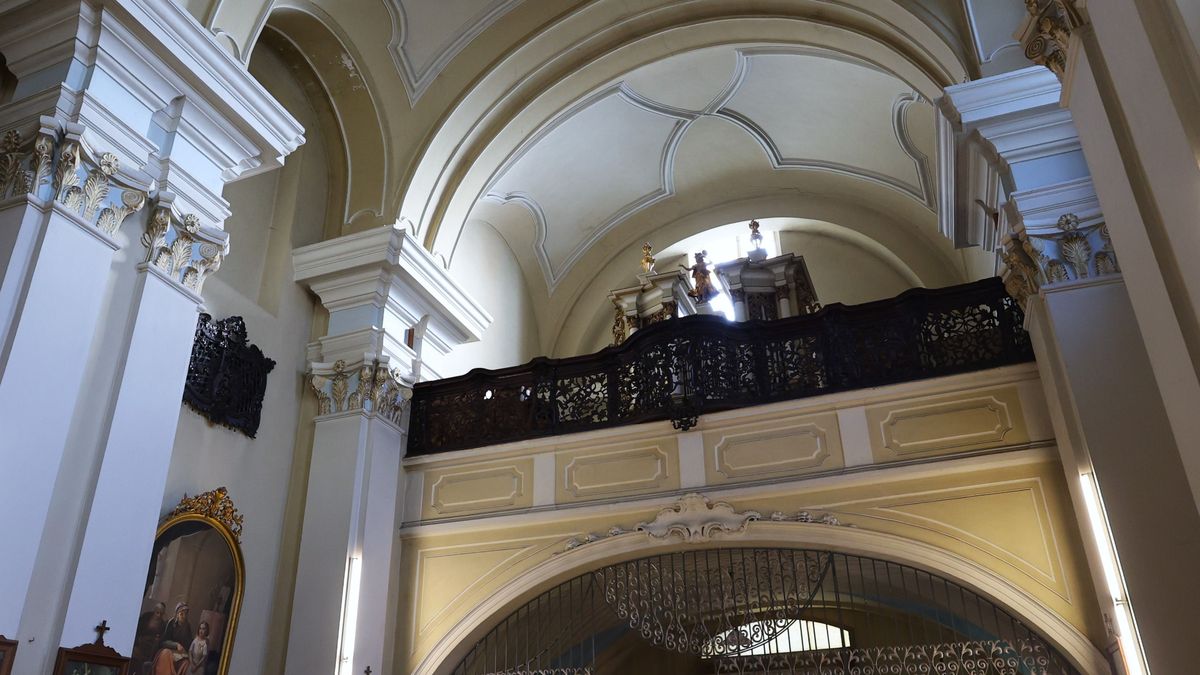
A historic Hungarian church in Oradea, Romania, faces potential obstruction from the local Romanian-dominated municipality, sparking criticism and concern over its future. The article suggests there is no guarantee that the local government will not impede religious services at what is described as the foremost church of the Carpathian Basin.
The church, which once hosted prominent figures like Béla Bartók and Gyula Juhász, served as a place of learning and cultural exchange. The author laments a perceived loss of mutual understanding between Hungarian and Romanian communities, contrasting the current situation with a past where Romanian intellectuals also utilized the school associated with the church.
A specific incident is highlighted where municipal authorities allegedly damaged the church's wall without the necessary consent from the relevant ecclesiastical authority. This act is described as a severe violation of canon law, akin to an "anathematization" or a serious offense against sacred things. The author questions how officials could consider transforming a consecrated church into a residential property on paper.
The article draws a parallel with the respectful treatment of two Romanian-liturgical Baroque churches in Oradea's main square by Hungarians over centuries, suggesting a double standard. The author implies that the local authorities' actions stem from an inability or unwillingness to appreciate the church's historical and architectural significance, viewing it merely as "tons of bricks" that could be replaced by a "new, alien concrete monstrosity."
The piece calls for international attention to help people understand the gravity of such actions and the concept of "anathematization" within the church's legal framework. It suggests that the deliberate damage to a sacred building, without proper ecclesiastical permission, is a serious transgression that warrants broader awareness and potential intervention.
DistantNews Editorial
Originally published by Magyar Nemzet in Hungarian. Translated, summarized, and contextualized by our editorial team with added local perspective. Read our editorial standards.
More Stories



From Our Blog

Countries Without a Free Press: What You Need to Know

What Press Freedom Means for the News You Read

What Gets Lost (and Found) When News Is Translated

The Critical Role of Diaspora Media in Global News

What Travellers Should Know About Countries with Restricted Press
