


Fruit Company Invests Millions in Ripening Tech to Boost Consumption
Translated from Spanish, summarized and contextualized by DistantNews.
At a glance
News
Sources not specified
Outcome reported
- Tres Ases SA invested US$2 million in a new fruit ripening center in Patagonia to improve fruit quality for consumers.
- The facility aims to ensure fruits like bananas, pears, mangoes, and avocados reach consumers at their peak ripeness, addressing a decline in pear consumption due to unripe fruit reaching shelves.
- The company, with over 60 years of history, seeks to enhance the consumer experience and regain market share, particularly for pears.
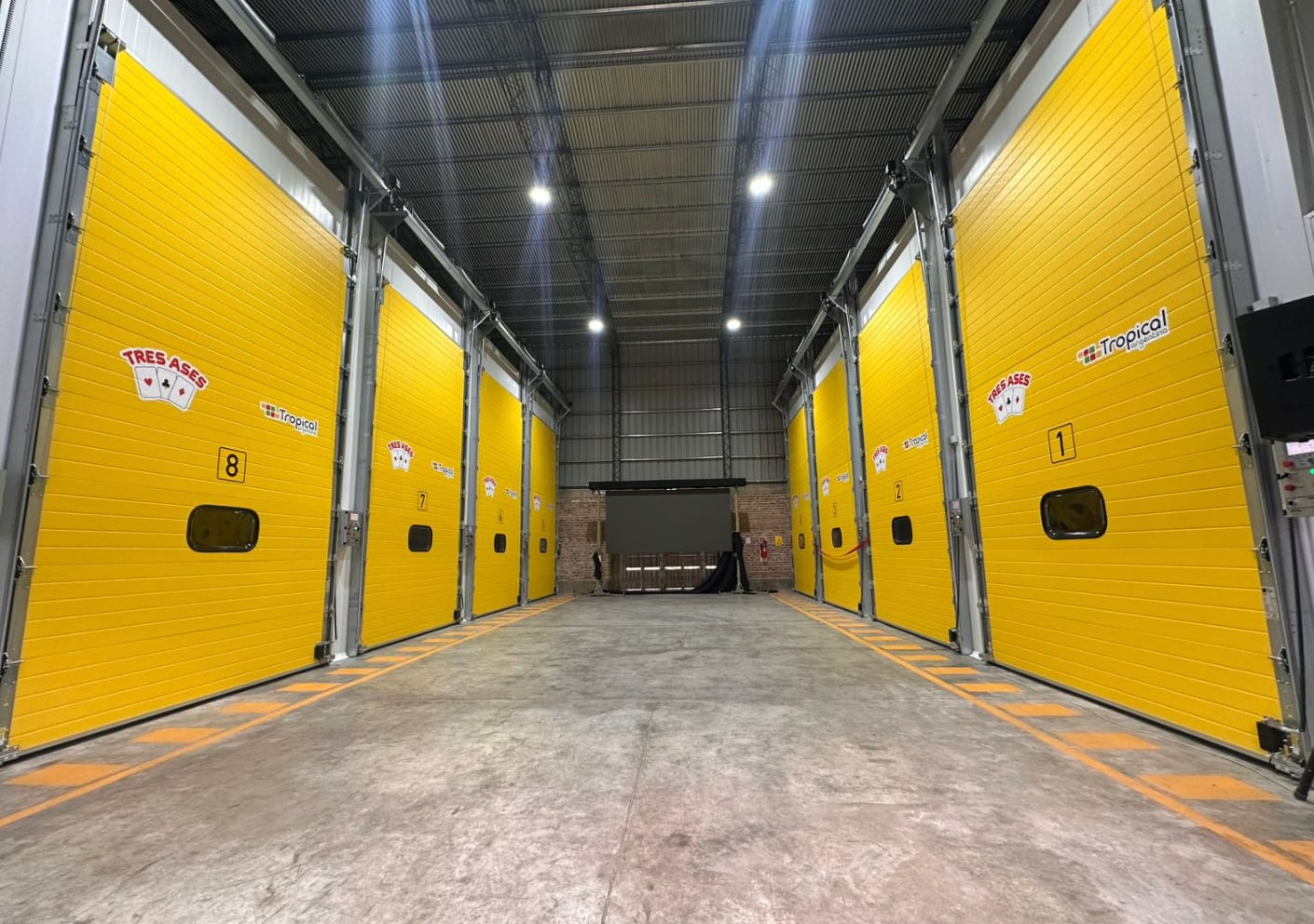
A historic Patagonian fruit company, Tres Ases SA, has invested US$2 million in a state-of-the-art intelligent fruit ripening center. This initiative, located in Cipolletti, Río Negro, aims to ensure fruits like bananas, pears, mangoes, and avocados reach consumers perfectly ripe, a move the company hopes will revitalize the market, especially for pears.
We have been dedicated to the production, export, and import of fruits for more than 60 years of experience. The company was founded by my father, our family came from Italy. We are historic in fruit production.
The new plant, inaugurated recently at the company's headquarters, will supply supermarkets, wholesalers, and retailers across southern Argentina. Previously, the region relied on climate-controlled fruit from Buenos Aires. The facility incorporates automated technology to precisely manage temperature, ventilation, and gases during the controlled ripening process.
For several years, the company has been working on diversification to achieve a balanced business between import and export.
Gabriel Grisanti, president of Tres Ases SA, explained that the company, founded by his father who emigrated from Italy, has over six decades of experience in fruit production, export, and import. The family's involvement in the fruit business began even earlier, in 1914, with his grandfather opening a fruit stand. The company formally established in 1960, has expanded its operations significantly over the years.
We began to notice that the fruit was not arriving at its peak point. All our trajectory was aimed at fruit conservation, at keeping it green, but we began to notice that consumption was suffering because, for example, the pear did not arrive in a condition to be consumed.
Grisanti noted a strategic shift towards balancing export, import, and domestic market operations. This reevaluation led the company to identify a recurring issue: fruit not reaching consumers at its optimal point. "All our trajectory was aimed at fruit conservation, at keeping it green, but we began to notice that consumption was suffering because, for example, the pear did not arrive in a condition to be consumed," he stated. The company believes delivering ready-to-eat fruit aligns with international market trends and is key to regaining lost consumption, particularly for pears.
I consider that we have lost pear consumption.
DistantNews Editorial
Originally published by La Nación in Spanish. Translated, summarized, and contextualized by our editorial team with added local perspective. Read our editorial standards.
More Stories


From Our Blog

What Gets Lost (and Found) When News Is Translated

The Critical Role of Diaspora Media in Global News

What Travellers Should Know About Countries with Restricted Press

A Digital Nomad's Guide to Following Local News

How the Same Story Looks Different in Different Countries
