

Füchse Berlin Seek Form After Supercup Loss: 'Still in Process'
Translated from German, summarized and contextualized by DistantNews.
At a glance
News
From a news agency
Context piece
- The Füchse Berlin handball team suffered a significant 31:38 defeat against SC Magdeburg in the Supercup, revealing multiple weaknesses just days before the Bundesliga season starts.
- Coach Nicolej Krickau cited a high error rate and a lack of balance in the team's play, exacerbated by key player departures and injuries, particularly in the backcourt.
- The team is focusing on improving goalkeeping and defense, acknowledging that immediate improvement is needed to be competitive, especially with a rematch against Magdeburg looming.
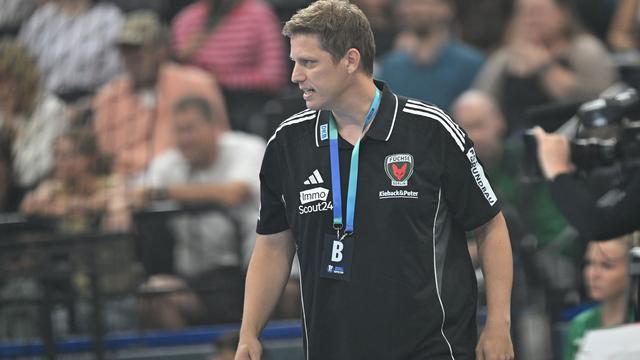
The Füchse Berlin handball team faces a daunting task as they prepare for the Bundesliga season, following a humbling 31:38 loss to rivals SC Magdeburg in the Supercup. Coach Nicolej Krickau expressed dissatisfaction with the team's performance, highlighting a "clear defeat" and numerous "problem areas" that have emerged.
With so a clear defeat, one can of course not be satisfied.
Compounding the team's struggles are significant personnel issues. The departures of goalkeeper Dejan Milosavljev and star player Lasse Andersson have diminished the team's versatility. Furthermore, playmaker Nils Lichtlein is sidelined until October following foot surgery, and Fabian Wiede's return from a cruciate ligament tear remains uncertain, potentially extending his absence by several months.
We wanted to show much, much more.
With only three backcourt players currently available, the Füchse are becoming predictable for opponents. "We wanted to show much, much more," stated captain Max Darj. The team's focus has shifted to immediate improvements in goalkeeping and defense, areas where "the biggest topic" lies. Krickau emphasized the need for better communication and execution in defense to bridge the gap with Magdeburg, especially with another encounter against them scheduled soon after the league opener.
We are still very early in our process.
DistantNews Editorial
Originally published by Die Zeit in German. Translated, summarized, and contextualized by our editorial team with added local perspective. Read our editorial standards.
More Stories


From Our Blog

What Gets Lost (and Found) When News Is Translated

How the Same Story Looks Different in Different Countries

The Critical Role of Diaspora Media in Global News

What Travellers Should Know About Countries with Restricted Press

A Digital Nomad's Guide to Following Local News
