


Fuel Prices and Speed Limits: Do We Need a Speed Limit?
Translated from German, summarized and contextualized by DistantNews.
TLDR
- German Green Party leader Katharina Dröge proposes a speed limit as a short-term measure to save fuel amid high prices.
- Dr.öge argues this is an effective way to conserve gasoline and diesel, citing a call for energy saving from the International Energy Agency.
- Bavarian Minister Hubert Aiwanger questions the logic, asking why electric cars should be slowed down.
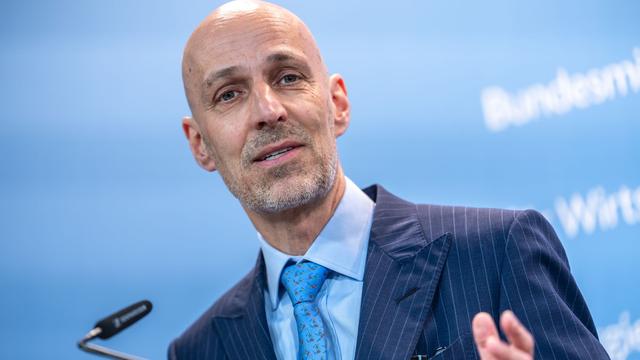
The German Green Party, through its Bundestag faction leader Katharina Dröge, has put forward a controversial proposal: implementing a speed limit on German autobahns to combat soaring fuel prices. Dröge frames this as a necessary, albeit short-term, measure to address an "offer shock" in the oil market, exacerbated by disruptions in the Strait of Hormuz. She emphasizes the urgency of energy conservation, echoing calls from the International Energy Agency, and criticizes the federal government for hesitating to communicate the gravity of the situation to the public.
We have an offer shock from an economic perspective. The fact that hardly any more ships are traveling through the Strait of Hormuz has reduced the amount of oil sold on world markets. A speed limit is a very effective, short-term way to save fuel.
This suggestion, however, has immediately drawn sharp criticism, notably from Bavaria's Minister of Economic Affairs, Hubert Aiwanger. Aiwanger questions the rationale behind slowing down all vehicles, including electric cars, which are not directly impacted by rising gasoline and diesel prices. His counterpoint highlights a potential disconnect between the Greens' proposed solution and the broader energy landscape, suggesting that the measure might be overly simplistic or misdirected.
That is also what the head of the International Energy Agency says, who has urgently asked all countries in the world to help save energy.
From a German perspective, the debate over a speed limit touches upon deeply ingrained cultural and practical considerations. The autobahn, with its sections famously lacking speed restrictions, represents a symbol of freedom and engineering prowess for many. Proposals to limit this freedom, even for economic or environmental reasons, are often met with resistance and skepticism. Dröge's argument, while rooted in energy saving, faces an uphill battle against this backdrop, forcing a national conversation about priorities: economic relief versus ingrained mobility culture and the practicalities of implementing such a measure across diverse vehicle types.
My feeling is: The federal government is shying away from explaining the seriousness of the situation to the citizens.
DistantNews Editorial
Originally published by Die Zeit in German. Translated, summarized, and contextualized by our editorial team with added local perspective. Read our editorial standards.
More Stories


From Our Blog

What Gets Lost (and Found) When News Is Translated

How the Same Story Looks Different in Different Countries

The Critical Role of Diaspora Media in Global News

What Travellers Should Know About Countries with Restricted Press

A Digital Nomad's Guide to Following Local News
