


Fuel Rebate Ends: Schwesig Demands Further Relief
Translated from German, summarized and contextualized by DistantNews.
At a glance
News
Named sources
New plan
- Mecklenburg-Western Pomerania's Minister President Manuela Schwesig calls for further relief measures as the fuel tax rebate ends.
- Schwesig urges the federal government to negotiate with oil companies to prevent price hikes and suggests implementing a price cap similar to Luxembourg's model.
- The fuel tax rebate, which reduced prices by 16.7 cents per liter, expires on Tuesday, with prices expected to rise significantly on Wednesday.
As Germany's fuel tax rebate concludes, Mecklenburg-Western Pomerania's Minister President Manuela Schwesig is demanding additional relief for citizens. "If the federal government lets the fuel tax rebate expire, then I expect the Chancellor to talk to the mineral oil companies to ensure that gasoline prices do not rise again," Schwesig stated in a joint interview with the Funke Mediengruppe newspapers.
If the federal government lets the fuel tax rebate expire, then I expect the Chancellor to talk to the mineral oil companies to ensure that gasoline prices do not rise again
Schwesig also proposed that the federal government introduce a price cap for fuel, drawing inspiration from Luxembourg's system. In Luxembourg, the Ministry of Economic Affairs sets maximum prices for gasoline, diesel, and heating oil, with adjustments made based on market fluctuations. Furthermore, Schwesig believes a tax reform is necessary to primarily ease the burden on small and medium-sized incomes.
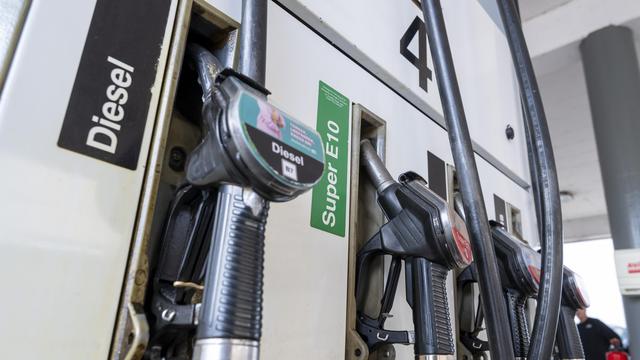
The so-called "Tankrabatt" (fuel tax rebate) expires on Tuesday after two months. Consequently, prices for gasoline and diesel are expected to increase significantly starting Wednesday. This is because fuel leaving storage tanks or refineries on July 1 will be subject to the previous, higher tax rate, amounting to an increase of 16.7 cents per liter, including value-added tax. The German Petroleum Industry Association (bft) anticipates this change will be noticeable at the pumps by Wednesday midday, as price adjustments are permitted only at noon, not at midnight when the tax rebate officially ends.
that the federal government introduce a price cap for fuel, drawing inspiration from Luxembourg's system
The fuel tax rebate was implemented to alleviate the financial strain on consumers following a sharp rise in oil prices, partly attributed to the conflict in Iran. The federal government's estimated cost for this rebate was around 1.6 billion euros. Meanwhile, Saxony-Anhalt's Minister President Sven Schulze expressed satisfaction with the rebate's impact, stating it was largely passed on to consumers and was urgently needed by commuters, logistics providers, tradespeople, and farmers, especially in a large state like Saxony-Anhalt. He expressed hope for a de-escalation in the Middle East to help lower oil prices.
that primarily ease the burden on small and medium-sized incomes
DistantNews Editorial
Originally published by Die Zeit in German. Translated, summarized, and contextualized by our editorial team with added local perspective. Read our editorial standards.
More Stories


From Our Blog

What Gets Lost (and Found) When News Is Translated

How the Same Story Looks Different in Different Countries

The Critical Role of Diaspora Media in Global News

What Travellers Should Know About Countries with Restricted Press

A Digital Nomad's Guide to Following Local News
