

Fuel Tax Rebate Mostly Reached Consumers, German Study Finds
Translated from German, summarized and contextualized by DistantNews.
At a glance
Analysis
Documents & data
New plan
- A German study found that the fuel tax rebate was almost entirely passed on to consumers.
- The Leibniz Institute for Economic Research (RWI) recommends against extending the rebate due to high costs.
- The rebate, intended to offset rising fuel prices, is set to expire at the end of June 2026.
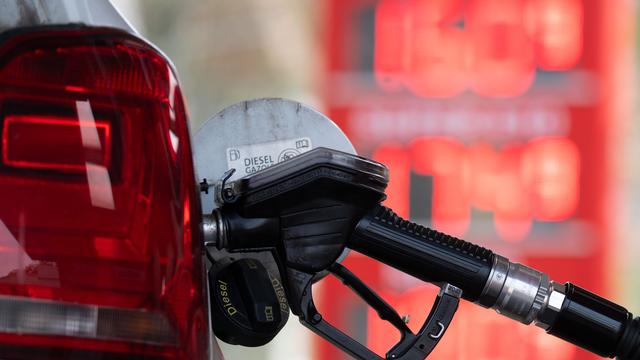
A recent analysis by the Leibniz Institute for Economic Research (RWI) indicates that Germany's fuel tax rebate, implemented on May 1, 2026, has largely benefited consumers. The study, which is available to DIE ZEIT, found that the tax relief for diesel fuel was passed on more than completely, with prices dropping by an estimated 18.4 cents per liter, exceeding the expected 17 cents.
For gasoline, the price reduction was less pronounced, with prices falling by 13.2 cents per liter, approximately 80% of the tax cut. The RWI attributes this to a concurrent market intervention, the "12-hour rule," introduced on April 1, which allows gas stations to adjust prices only once daily at noon. This rule reportedly led to a price increase of about 4.7 cents per liter for gasoline shortly before the tax rebate took effect, complicating the interpretation of the rebate's impact.
Despite the observed pass-through to consumers, the RWI advises against extending the fuel tax rebate beyond its scheduled expiration on June 30, 2026. Researchers Patrick Thiel, Manuel Frondel, and Colin Vance argue that the measure is "ecologically counterproductive" and represents a significant financial burden on the state, costing over a billion euros. They suggest that the full extent of the rebate's pass-through can only be accurately assessed after the policy concludes.
Similar criticisms have been voiced by the ifo Institute, which contends that the fuel tax rebate does not effectively target those most in need, such as low-income commuters. Instead, it primarily benefits individuals who drive frequently or operate vehicles with high fuel consumption. The rebate was introduced to mitigate the impact of soaring fuel prices following the war in Ukraine.
DistantNews Editorial
Originally published by Die Zeit in German. Translated, summarized, and contextualized by our editorial team with added local perspective. Read our editorial standards.
More Stories

From Our Blog

What Gets Lost (and Found) When News Is Translated

How the Same Story Looks Different in Different Countries

The Critical Role of Diaspora Media in Global News

What Travellers Should Know About Countries with Restricted Press

A Digital Nomad's Guide to Following Local News
