


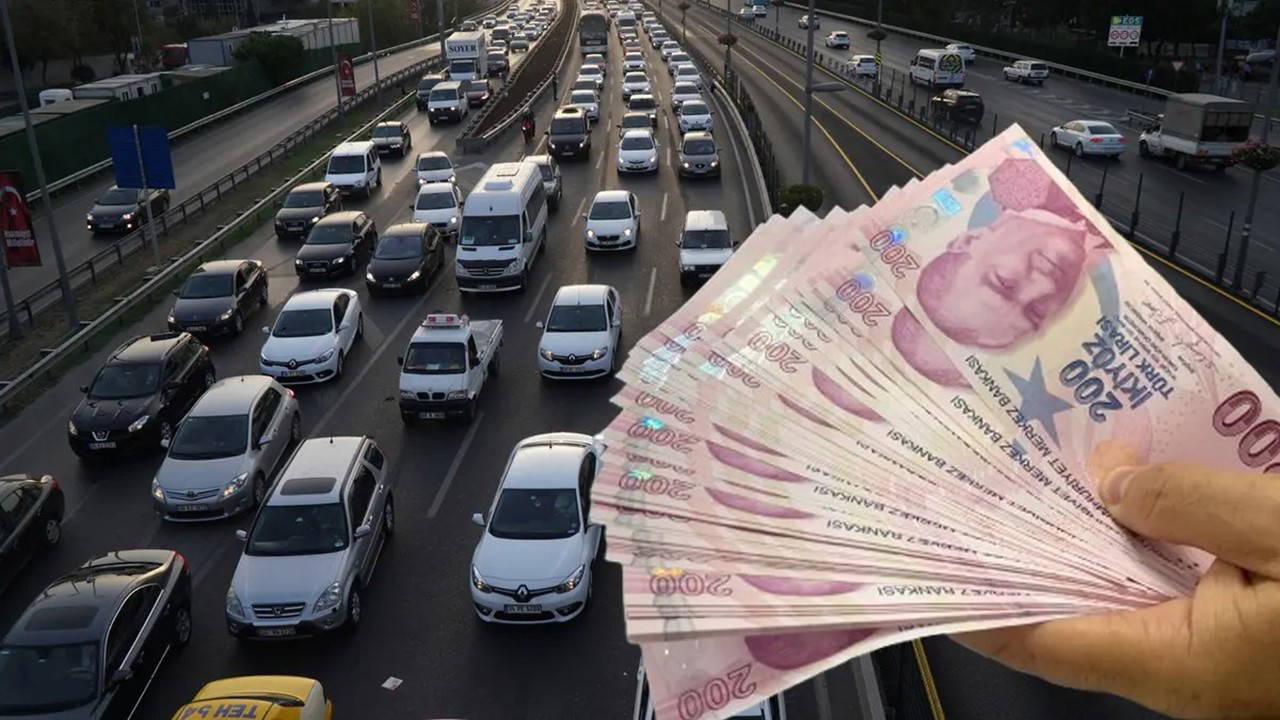
Fuel Tax Shortfall Widens Gap with Rising Traffic Fines in Turkey
Translated from Turkish, summarized and contextualized by DistantNews.
At a glance
News
Documents & data
Context piece
- Turkey's budget data reveals a widening gap between fuel excise tax (ÖTV) revenue and traffic fine income.
- Fuel ÖTV revenue fell significantly due to measures to mitigate rising fuel prices, while traffic fines increased substantially.
- The shortfall in fuel ÖTV revenue impacts overall tax collection, with traffic fines exceeding their annual target early in the year.
Turkey's budget figures for January-July 2026 highlight a striking divergence between revenue from fuel excise tax (ÖTV) and income generated from traffic fines. This disparity has emerged as the government grapples with mitigating the impact of rising fuel prices.
In March, Turkey implemented a "sliding scale" system to cushion the effects of soaring global oil prices, partly absorbing fuel price increases through ÖTV reductions. However, this measure led to a substantial loss in ÖTV revenue from petroleum and natural gas products. The first seven months of 2026 saw a 92 billion Turkish lira drop in this revenue compared to the previous year, while traffic fines saw a corresponding increase of 45 billion Turkish lira.
The ÖTV shortfall has significantly affected overall tax collection. While total tax revenues grew by 37.3% year-on-year, the increase in total ÖTV revenues was a mere 7.9%. Specifically, ÖTV collection from petroleum and natural gas products decreased by 34.2% in the January-July period, falling from 272.4 billion lira to 179.2 billion lira. This performance is far below the annual budget target, with only 27.3% of the projected 656.5 billion lira collected by the end of July.
In contrast, traffic fines have shown robust growth. During the same seven-month period, accrued traffic fines rose by 58.5% to 121.3 billion lira. The amount collected from drivers reached 52.6 billion lira, already surpassing 71.7% of the annual target of 73.3 billion lira. The accrued fines alone exceeded the annual collection target by 65.3%. The Directorate of Revenue Administration had previously estimated the cost of the sliding scale system to the budget at 86 billion lira in ÖTV forgone, plus 17 billion lira in Value Added Tax (VAT), totaling over 100 billion lira in tax losses by May.
DistantNews Editorial
Originally published by Cumhuriyet in Turkish. Translated, summarized, and contextualized by our editorial team with added local perspective. Read our editorial standards.
More Stories


From Our Blog

What Gets Lost (and Found) When News Is Translated

The Critical Role of Diaspora Media in Global News

What Travellers Should Know About Countries with Restricted Press

A Digital Nomad's Guide to Following Local News

How the Same Story Looks Different in Different Countries
