

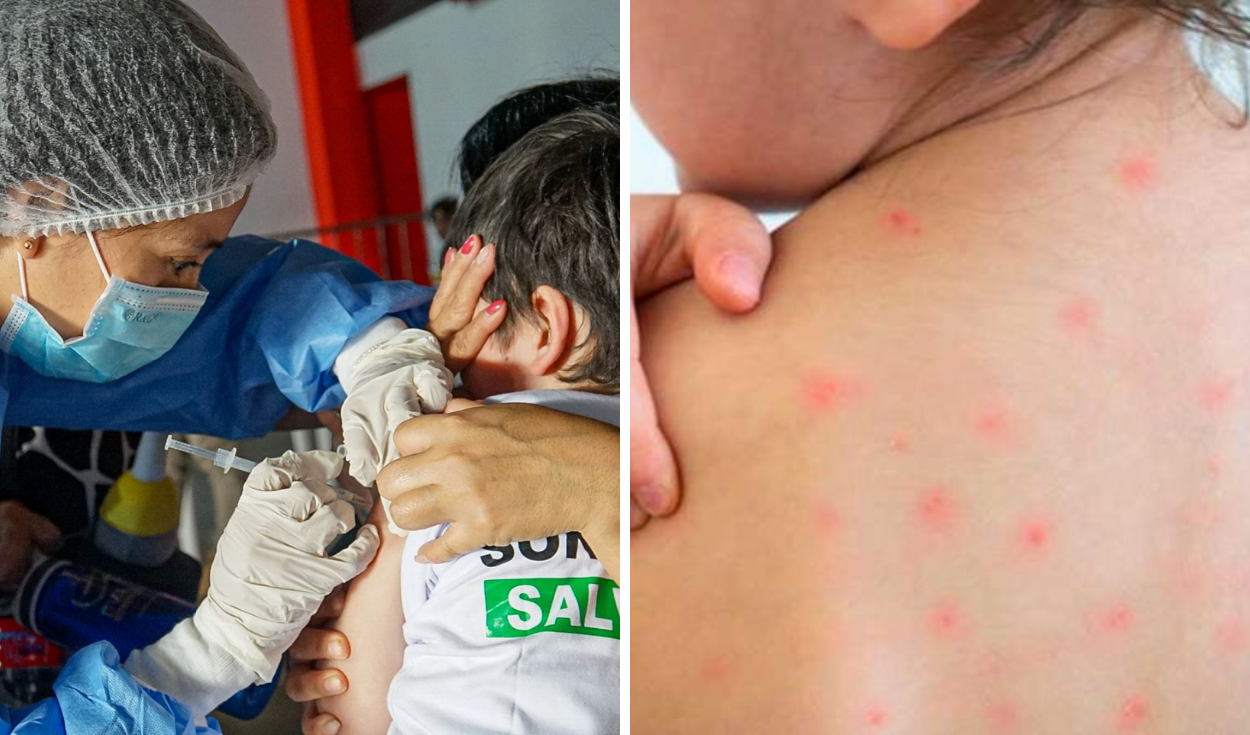
Fujimori vows to halve child anemia, but funding details remain unclear
Translated from Spanish, summarized and contextualized by DistantNews.
At a glance
News
Sources not specified
New plan
- President Keiko Fujimori pledged to halve child anemia and chronic malnutrition rates.
- She also plans to reorganize social programs for comprehensive child and family protection.
- Experts question the financing and execution details of these ambitious goals.
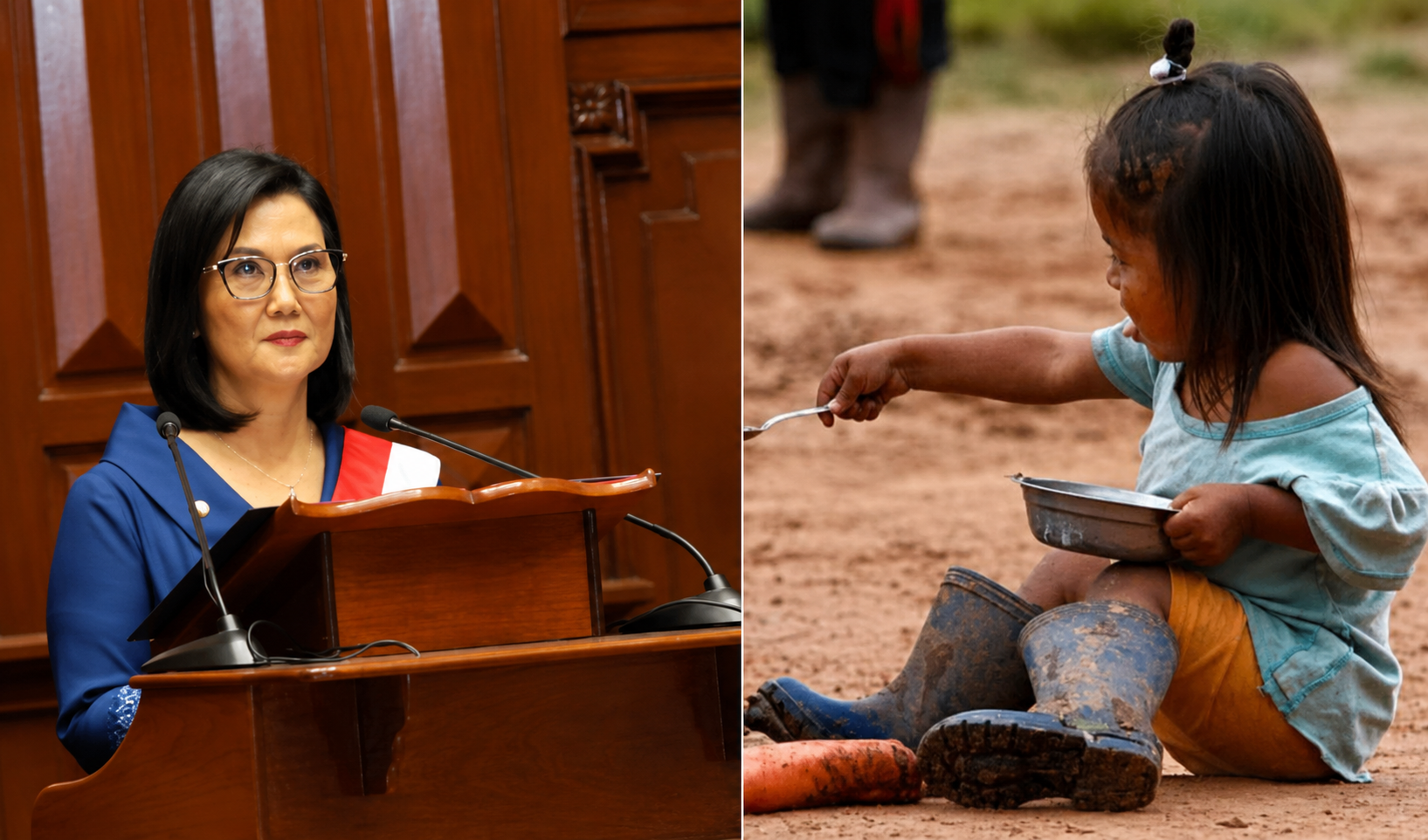
Peruvian President Keiko Fujimori announced a key government objective to cut child anemia and chronic malnutrition rates by half during her first State of the Nation address. Her administration also aims to restructure social programs to establish a universal protection system for children, adolescents, and families.
Three in ten compatriots do not have certainty of having the necessary food daily, and 35% of children aged 6 to 35 months suffer from anemia. This is immoral.
Fujimori described the nation's social situation as critical, stating, "Three in ten compatriots do not have certainty of having the necessary food daily, and 35% of children aged 6 to 35 months suffer from anemia. This is immoral." She specifically mentioned plans for interventions in rural areas, the Amazon, and indigenous communities, alongside relaunching the National Food Assistance Program (PRONAA) to ensure school meals.
The reduction of anemia and malnutrition does not depend solely on announcing a goal. It is necessary to define whether there will be a multisectoral plan or a state policy that articulates all levels of government.
However, nutritionists and food security experts have raised concerns about the feasibility and funding of these targets. Jessica Huamán, a nutritionist and researcher, called the proposals "very ambitious" but noted the lack of detail on how they will be achieved. She stressed the need for a multisectoral plan or a state policy to coordinate efforts across all government levels.
It would have been important to specify how much will be allocated to combat anemia. In previous governments, the budget was around S/ 800 million, but it is not enough to allocate resources; they must also be executed properly.
Huamán highlighted the absence of specific budget commitments, recalling that previous governments allocated around S/ 800 million, which was insufficient if not executed properly. She also emphasized the importance of strengthening primary healthcare services, ensuring adequate medical staff, nutritionists, hemoglobinometers, and iron supplements are available. The specialist added that early childhood protection begins even before birth, as maternal anemia can lead to premature birth or low birth weight.
If health centers do not have doctors, nutritionists, hemoglobinometers, or sufficient iron supplements, it will be very difficult to achieve a real reduction in anemia.
DistantNews Editorial
Originally published by La República in Spanish. Translated, summarized, and contextualized by our editorial team with added local perspective. Read our editorial standards.
More Stories

From Our Blog

What Gets Lost (and Found) When News Is Translated

The Critical Role of Diaspora Media in Global News

What Travellers Should Know About Countries with Restricted Press

A Digital Nomad's Guide to Following Local News

How the Same Story Looks Different in Different Countries
