

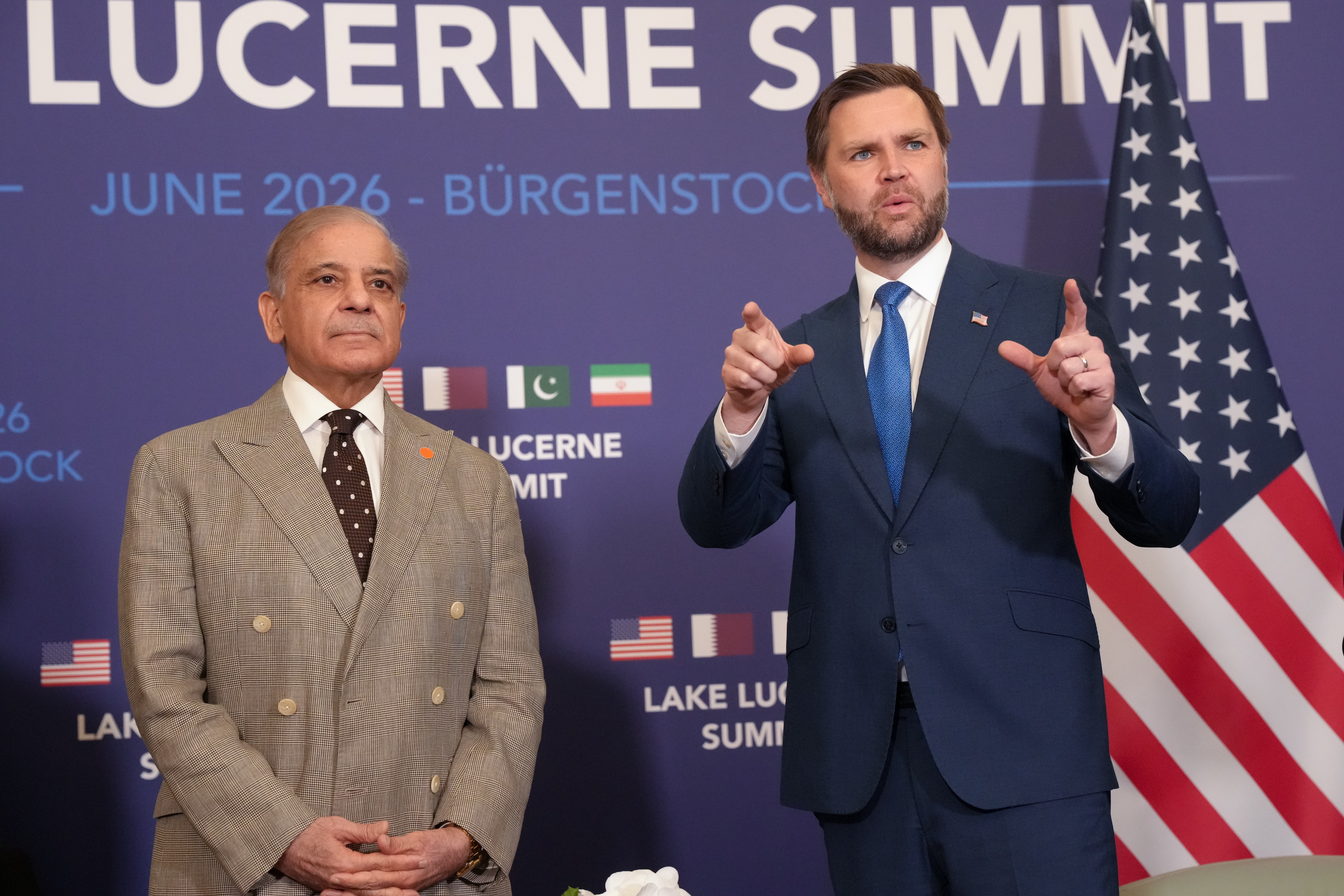

Full transcript of "Face the Nation with Margaret Brennan," June 21, 2026
Summarized and contextualized by DistantNews.
At a glance
News
From a news agency
Ongoing story
- U.S. Vice President Vance is initiating nuclear talks with Iran, aiming to avert economic catastrophe from the Strait of Hormuz shutdown.
- President Trump's administration faces criticism over concessions made in a deal with Iran, which falls short of initial goals.
- Tensions are also high with Israel over its attacks on Lebanon, drawing unprecedented public criticism from the Trump administration.
Vice President J.D. Vance is spearheading historic talks with Iran concerning its nuclear program, a critical initiative aimed at preventing economic disaster stemming from the ongoing shutdown of the Strait of Hormuz. The negotiations occur within a 60-day window established after President Trump agreed to a truce, presenting a daunting challenge for the administration.
You can do a little softer touch, Bibi. You don't have to knock down a building every time somebody walks into it that's from Hezbollah.
However, the Trump administration is encountering significant pushback regarding the terms of the agreement with Iran. Critics argue that the deal, intended to resolve the nearly four-month conflict and reopen vital shipping lanes, falls considerably short of the administration's initial objectives. Some allies and adversaries alike suggest that President Trump may have conceded too much.
You can't just kill your way out of solving every single national security problem that you have.
Adding to the complex foreign policy landscape, tensions are escalating between the United States and the Netanyahu government in Israel. This friction arises from Israel's military actions in Lebanon, which have prompted unusually strong public criticism from the Trump administration, a rare move against a close ally.
I do not want a theocratic lunatic who wants to kill us to have weapons to enable him to kill us.
Within the U.S., President Trump is also facing political pressure from key Republicans. Some senators express strong opposition to the administration's perceived backtracking on issues such as Iran possessing ballistic missiles, with one senator labeling the current foreign policy approach as a significant blunder. The administration's outreach to Iran, extending an "outstretched hand," is contingent on Iran's leadership ceasing its role as a driver of regional instability and abandoning its nuclear weapons ambitions.
What the president has asked us to do is turn over a new leaf to transform our relationship with the people of Iran and to extend an outstretched hand that says to the people of Iran that, if your leadership is willing to give up being a driver of regional instability, if they are willing to give up nuclear weapons ambitions for the long term, then the United States
DistantNews Editorial
Originally published by CBS News. Summarized and contextualized by our editorial team with added local perspective. Read our editorial standards.
More Stories


From Our Blog

How the Same Story Looks Different in Different Countries

What Gets Lost (and Found) When News Is Translated

The Critical Role of Diaspora Media in Global News

What Travellers Should Know About Countries with Restricted Press

A Digital Nomad's Guide to Following Local News
