


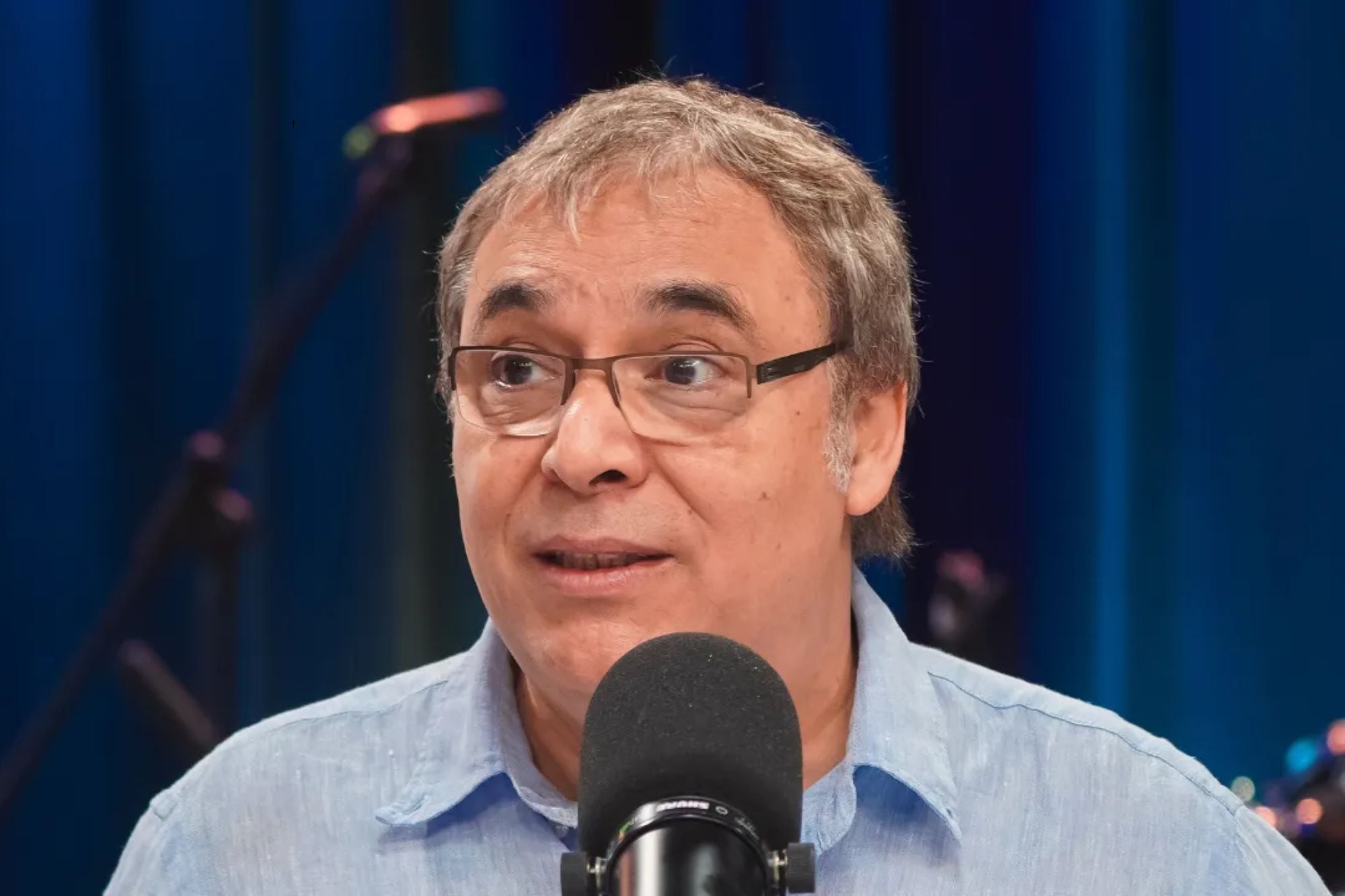
Gabriel Rolón: 'It is not true that time heals absolutely all wounds'
Translated from Spanish, summarized and contextualized by DistantNews.
At a glance
Analysis
Sources not specified
Context piece
- Psychologist Gabriel Rolón challenges the popular notion that time heals all wounds, stating some pains may persist indefinitely.
- He describes emotional bonds as "ropes" that tie individuals together, and breaking them requires gradual untangling, not abrupt severance.
- Rolón suggests that true happiness involves accepting life's imperfections and losses, rather than seeking immediate solutions to deep-seated emotional pain.
Renowned psychologist and author Gabriel Rolón has questioned a widely held belief in popular psychology: that the passage of time inherently heals all emotional wounds. Speaking on the radio program "Perros de la Calle," Rolón asserted that while time allows for progress, it is not a universal panacea for all forms of suffering.
"It's not true that time will heal absolutely all your wounds, because some things will always hurt," Rolón stated, emphasizing that certain pains may be permanent. He likens emotional bonds to "ropes" that connect individuals, forming the fabric of their identity. The process of grieving a loss, whether a relationship, friendship, or loved one, involves the gradual untying of these ropes. Rolón warns that attempting an abrupt separation is not only ineffective but also a form of denial, explaining the difficulty in regaining equilibrium after significant emotional ruptures.
Rolón further elaborated in an analysis for LN+ that contemporary society often seeks quick fixes for profound emotional distress, neglecting the conscious effort required for genuine grief processing. He introduced the concept of "faltacidad" (lack-ness), defining happiness not as absolute completeness but as the capacity to accept and embrace personal deficiencies and absences. According to Rolón, happiness is an ongoing construction in the present moment, even when the memory of a loss constantly signifies an absence.
He stressed that accepting a loss, while necessary, does not guarantee immediate peace. Instead, it can often intensify pain as it involves relinquishing hope for a return or a magical resolution. "Sometimes with acceptance comes more pain," he noted, describing this confrontation with reality as the path forward. This involves setting aside illusions to appreciate what was. Rolón posits that the depth of suffering is directly proportional to the love felt for what was lost, cautioning that emotional indifference towards a significant loss can be a red flag requiring self-examination.
The end of a bond does not mean one must remain forever tied by pain. Rolón also highlighted the role of love as a tool against existential anguish, acknowledging its complex nature in navigating loss and emotional pain.
DistantNews Editorial
Originally published by La Nación in Spanish. Translated, summarized, and contextualized by our editorial team with added local perspective. Read our editorial standards.
More Stories


From Our Blog

What Gets Lost (and Found) When News Is Translated

The Critical Role of Diaspora Media in Global News

What Travellers Should Know About Countries with Restricted Press

A Digital Nomad's Guide to Following Local News

How the Same Story Looks Different in Different Countries
