

Gael García Bernal Champions 'Completely Free' Cinema, Driven by Friendship
Translated from Spanish, summarized and contextualized by DistantNews.
At a glance
Interview
Sources not specified
Context piece
- Actor and director Gael García Bernal advocates for a "completely free" cinema, unburdened by expectations of awards or success.
- He recalled the precarious beginnings of his career, including the film "Amores perros," which was made with limited resources.
- García Bernal also highlighted the importance of friendship as a driving force in his creative projects and career.
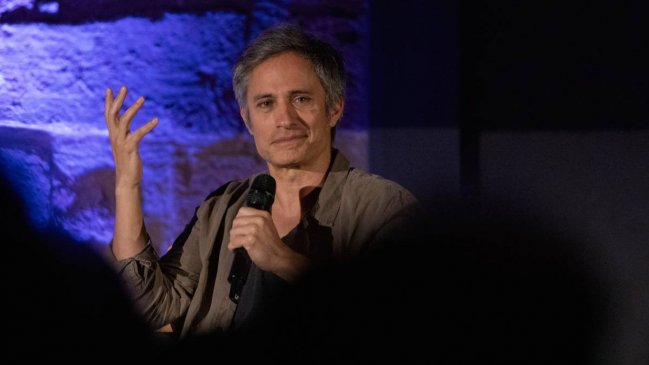
Mexican actor and director Gael García Bernal championed the idea of a cinema "without the expectation of anyone seeing it, completely free" during a recent event at the Atlàntida Mallorca Film Fest. He also emphasized friendship as a key motivator behind many of his projects.
Speaking in a relaxed setting where he was honored with the Master of Cinema award, García Bernal reflected on his career spanning over two decades. He reminisced about the early days of Alejandro González Iñárritu's "Amores perros" (2000), a film born from such challenging circumstances that its existence seemed unlikely. At the time, he was studying theater in London after a lengthy university strike in Mexico interrupted his philosophy studies.
I wanted to make films to make friends.
He accepted the "Amores perros" project without anticipating its impact. García Bernal described the difficult shooting conditions: scarce resources, a lack of film stock, and uncertainty about completing the movie. "We had practically one take per shot, and often had to stop filming because we ran out of material," he recalled. Some scenes were shot using donated material from other productions, like "Titanic." His sole goal upon completion was to obtain two VHS copies to show his family, never imagining the film would triumph at the Cannes Film Festival and become a landmark in Latin American cinema.
We never expected anyone to see our films because the norm was that nobody saw them.
García Bernal believes his generation had the privilege of making films "completely free," without concern for audience reception, awards, or commercial success. "We never expected anyone to see our films because the norm was that nobody saw them," he stated. This lack of expectation allowed for greater creative freedom, as he feels excessive focus on reception can disrupt the "act of faith" involved in filmmaking.
He also underscored the significance of friendship throughout his career, admitting that the possibility of sharing time and projects with friends was a major reason he pursued cinema. He cited his close relationship with Diego Luna, with whom he co-founded the production company Canana and the traveling documentary festival Ambulante. "I wanted to make films to make friends," he joked, adding that this sentiment continues to guide him, as he considers the human team behind each film when developing projects. García Bernal lamented what he sees as a "crisis" in friendship today, noting the difficulty in finding time to connect, share ideas, or collaborate on projects. "That time no longer exists, and the best ideas always emerged with friends," he concluded.
That time no longer exists, and the best ideas always emerged with friends.
DistantNews Editorial
Originally published by Cooperativa in Spanish. Translated, summarized, and contextualized by our editorial team with added local perspective. Read our editorial standards.
More Stories



From Our Blog

What Gets Lost (and Found) When News Is Translated

The Critical Role of Diaspora Media in Global News

What Travellers Should Know About Countries with Restricted Press

A Digital Nomad's Guide to Following Local News

How the Same Story Looks Different in Different Countries
