

Gangnam rents surge threefold as owners favor monthly leases amid supply crunch
Translated from Korean, summarized and contextualized by DistantNews.
At a glance
News
Sources not specified
Context piece
- Rents in Seoul's Gangnam district have surged by 3.21% this year, more than triple last year's rate, driven by a shortage of available apartments.
- Property owners are increasingly preferring monthly rent over long-term leases due to rising property taxes and a preference for stable income.
- The trend is exacerbated by insufficient new housing supply, leading to continued upward pressure on rental prices in prime Seoul areas.
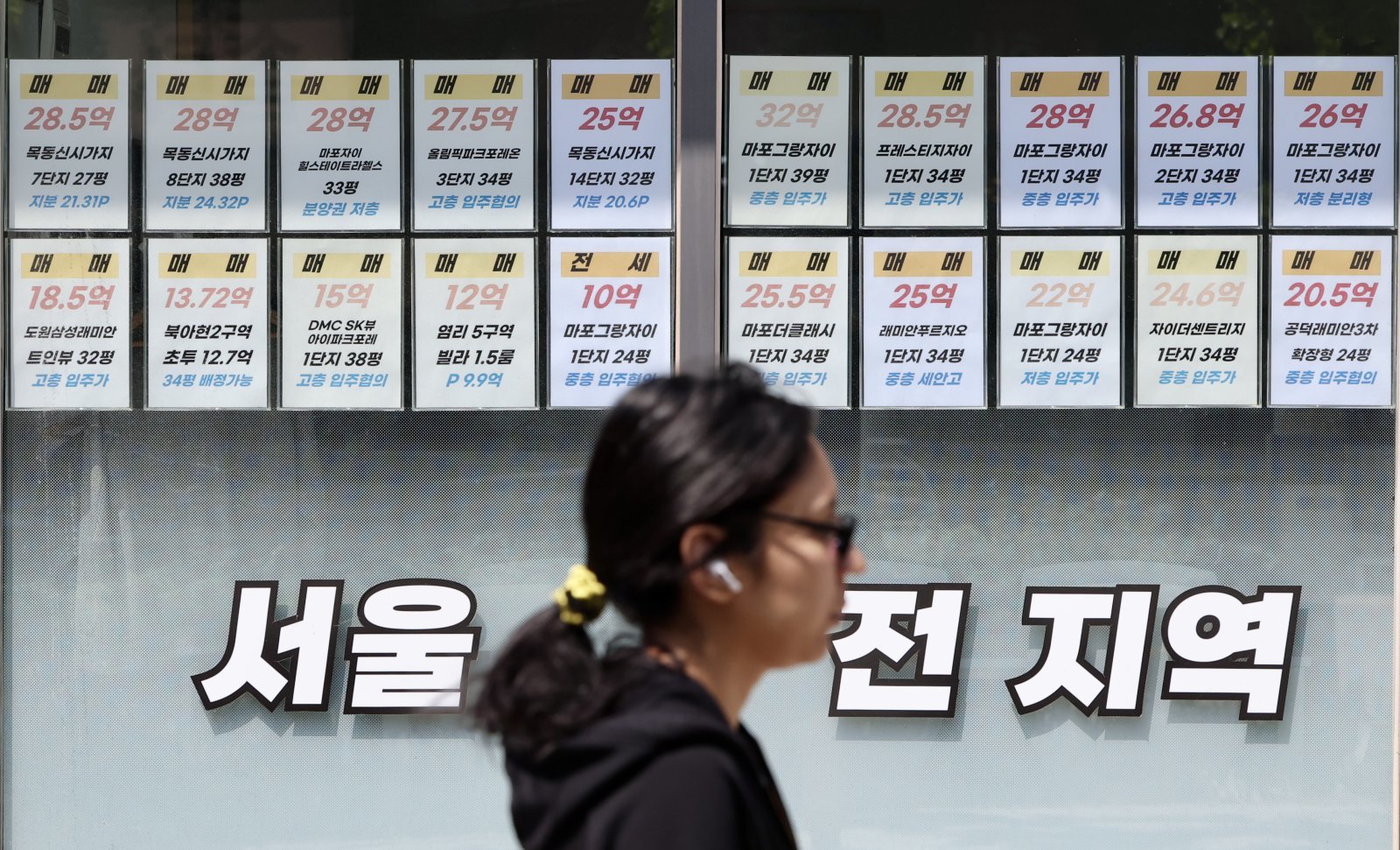
Rental prices in Seoul's affluent Gangnam district have seen a dramatic increase this year, with a 3.21% surge in apartment rents, more than triple the rate observed during the same period last year. This sharp rise is occurring even as the property sales market in the four Gangnam districts shows signs of cooling.
The surge in rental costs is largely attributed to a dwindling supply of available apartments for long-term leases. Property owners are increasingly opting for monthly rent arrangements, a shift influenced by concerns over rising property taxes and a desire for more predictable income streams. This preference for monthly rentals over traditional long-term leases is shrinking the pool of available apartments for renters.
Landlords in the Gangnam area are finding it difficult to sell due to increased capital gains tax, and buyers are adopting a wait-and-see attitude due to high asking prices. With the shift from jeonse to monthly rent due to tax burdens and a shortage of new supply, jeonse prices are expected to continue to rise.
Compounding the issue is a general shortage of new housing supply. While the government has announced plans to increase housing availability, the impact on the market has been limited thus far. The combination of reduced long-term rental inventory and insufficient new construction is creating significant upward pressure on rents, particularly in desirable areas like Gangnam.
Specific examples highlight the severity of the situation. In Banpo-dong, Seocho District, a 84.25㎡ apartment at Maple Xi was recently rented for 2 billion won, a 500 million won increase from a similar unit rented just nine months prior. Similarly, an apartment in Daechi-dong, Gangnam District, saw its rent jump by 500 million won in just two months. These cases illustrate the substantial financial burden placed on tenants facing a rapidly escalating rental market.
Housing, one of the basic necessities, requires a choice between buying or renting. While the Southeast region, where the wealthy tend to invest, is significantly impacted by loan regulations and high interest rates, the low jeonse-to-sales price ratio means the jeonse crisis is not directly translating into a sales market downturn.
DistantNews Editorial
Originally published by Dong-A Ilbo in Korean. Translated, summarized, and contextualized by our editorial team with added local perspective. Read our editorial standards.
More Stories


From Our Blog

What Gets Lost (and Found) When News Is Translated

The Critical Role of Diaspora Media in Global News

What Travellers Should Know About Countries with Restricted Press

A Digital Nomad's Guide to Following Local News

How the Same Story Looks Different in Different Countries
