

Gaza Health Sector Faces Mounting Crises, Risk of Total Collapse
Summarized and contextualized by DistantNews.
At a glance
News
Named sources
Ongoing story
- Gaza's health sector is on the brink of collapse due to ongoing Israeli military actions and restrictions.
- Critical infrastructure like oxygen stations and dialysis centers are severely degraded, with many non-operational.
- Cancer patients face dire conditions due to shortages of essential treatments and inability to travel abroad for care.
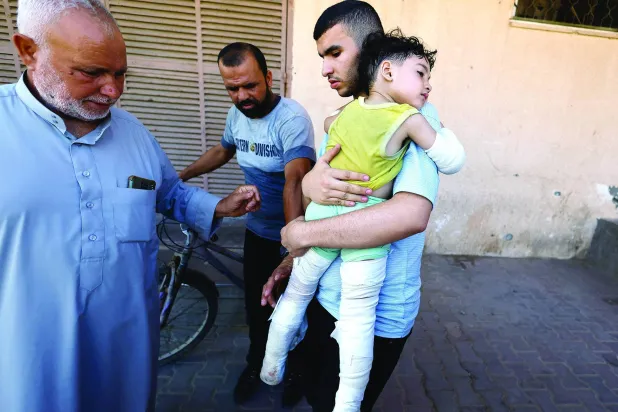
Gaza's healthcare system is facing an unprecedented crisis, teetering on the edge of total collapse amid the ongoing Israeli war and stringent restrictions.
The Ministry of Health in Gaza issued a stark warning that the operational capacity of its remaining oxygen stations has been completely exhausted. Only 12 out of 34 stations are functioning, operating under extreme technical difficulties. Compounding the issue, just four of 30 oxygen-cylinder filling units remain functional, risking immediate shutdown due to a lack of essential spare parts and maintenance capabilities.
Dialysis sessions are the only barrier between life and death for these patients, warning that any disruption to supplies or equipment could pose an immediate threat to hundreds of lives.
This critical shortage directly impacts patient care, particularly for those requiring continuous oxygen supply at home and in health facilities. The situation is equally dire for kidney patients. The Hind al-Daghma Dialysis Center is struggling to treat over 200 patients due to severe shortages of medical supplies, medicines, and equipment. Riyad Barbakh, head of the dialysis department, stated that dwindling resources and rising demand create harsh conditions, directly contributing to patient deaths.
Cancer patients are also facing grave circumstances. Mohammed Abu Nada, medical director of the Gaza Cancer Center, reported an "unprecedented deterioration" in their condition. Essential treatments are scarce, and restrictions on movement prevent approximately 11,000 patients with official referrals from seeking care abroad. Abu Nada noted that three cancer patients are dying daily from complications, and the center lacks radiotherapy entirely, facing severe chemotherapy shortages. The destruction of specialized treatment centers forces difficult decisions, such as performing full mastectomies due to the unavailability of radiotherapy and the ongoing travel restrictions.
Gaza lacks radiotherapy entirely and faces severe shortages of chemotherapy, with cancer drugs accounting for 61% of medicines in short supply.
DistantNews Editorial
Originally published by Asharq Al-Awsat. Summarized and contextualized by our editorial team with added local perspective. Read our editorial standards.
More Stories



From Our Blog

What Gets Lost (and Found) When News Is Translated

The Critical Role of Diaspora Media in Global News

What Travellers Should Know About Countries with Restricted Press

A Digital Nomad's Guide to Following Local News

How the Same Story Looks Different in Different Countries
