

GB polls' aftermath
Translated from English, summarized and contextualized by DistantNews.
At a glance
Analysis
Sources not specified
Outcome reported
- The Pakistan Peoples Party (PPP) appears poised to form the government in Gilgit-Baltistan following Sunday's assembly polls, despite controversy and claims of rigging from multiple parties.
- The local election commission has ordered a re-poll on five seats, and the PPP is expected to lead the incoming government, potentially in coalition with PML-N.
- The new administration must proactively address regional issues like subsidies, power outages, and taxation, and combat a sense of alienation among local people who feel decisions are made in Islamabad.
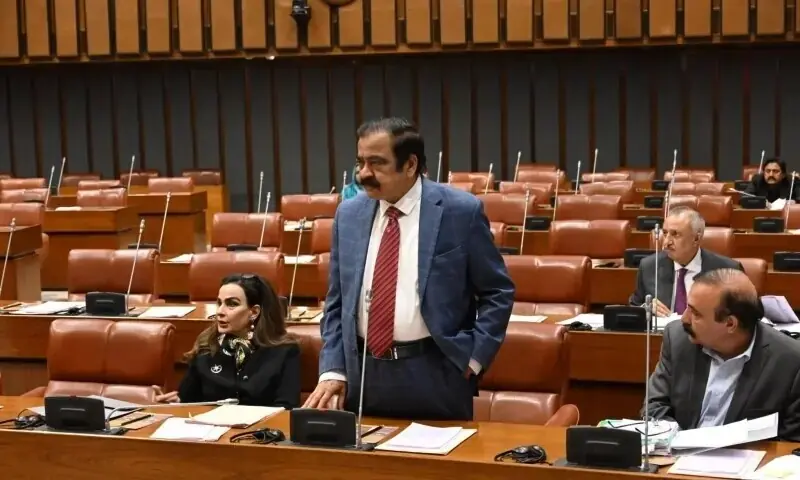
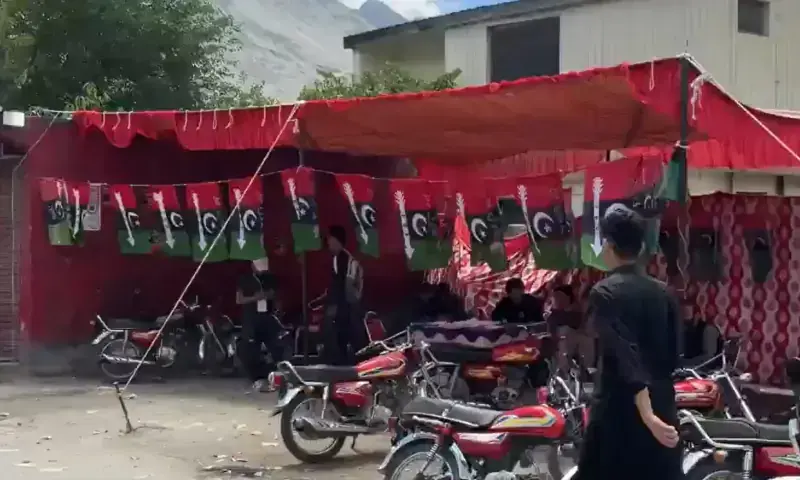
The Pakistan Peoples Party (PPP) is in a strong position to form the government in Gilgit-Baltistan after Sunday's assembly elections, according to unofficial counts. However, the polling process was marred by controversy, with both the PPP and the PTI alleging "poll rigging." The local election commission has announced a re-poll for five seats next week.
Despite the disputes, Deputy Prime Minister Ishaq Dar has congratulated the PPP on its victory. The party, which has a significant base in Gilgit-Baltistan and has governed the region before, is likely to lead the incoming government, possibly in a coalition with the PML-N. The PPP's strong showing reflects its historical influence in the region.
The incoming administration faces the critical task of addressing the region's pressing issues, which have fueled protests in recent years. These include disputes over wheat subsidies, prolonged power outages, and taxation concerns. A pervasive sense of alienation among the local population, who feel that significant decisions are made in Islamabad rather than by their local assembly, lies at the heart of these grievances.
While questions surrounding Gilgit-Baltistan's constitutional status and its potential to become a provisional province remain complex, the new government can improve governance by actively listening to the electorate and addressing their needs. The region's growing population of young, educated voters is less likely to be swayed by traditional patronage politics. They demand fundamental rights, priority access to regional resources, and a greater say in their future. The federal authorities and the newly elected regional government must demonstrate through action, not just promises, that they are aware of and committed to resolving these constitutional and civic issues.
DistantNews Editorial
Originally published by Dawn in English. Translated, summarized, and contextualized by our editorial team with added local perspective. Read our editorial standards.
More Stories
From Our Blog

What Gets Lost (and Found) When News Is Translated

The Critical Role of Diaspora Media in Global News

What Travellers Should Know About Countries with Restricted Press

A Digital Nomad's Guide to Following Local News

How the Same Story Looks Different in Different Countries
