


GCC states workshop boosts SDG reporting with SDMX standard
Translated from English, summarized and contextualized by DistantNews.
At a glance
News
Sources not specified
New plan
- A workshop in Salalah focused on enhancing the use of the SDMX standard for reporting on Sustainable Development Goals (SDGs) in GCC states.
- The event aimed to boost the efficiency of statistical office representatives and IT professionals in using the global data exchange standard.
- Dr. Intisar Abdullah Al Wahaibi emphasized the importance of accurate data for measuring progress and supporting evidence-based policies, highlighting SDMX as a key tool.
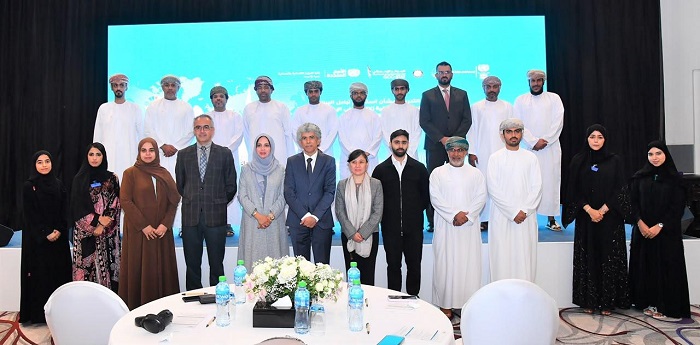
A workshop in Salalah aimed to bolster the capacity of Gulf Cooperation Council (GCC) states in reporting on Sustainable Development Goals (SDGs) by enhancing their use of the Statistical Data and Metadata Exchange (SDMX) standard. The event brought together representatives from national statistical offices, the GCC Statistical Centre, SDG focal points, metadata experts, and IT professionals.
Dr. Intisar Abdullah Al Wahaibi, Director General of GCC-Stat, underscored the critical need for cooperation among GCC states and international partners. She highlighted that accurate, reliable, and up-to-date official data is essential for measuring progress toward the SDGs and for formulating effective, evidence-based policies. Dr. Al Wahaibi noted that the increasing volume and diversity of data sources, alongside growing reporting demands, present significant challenges in organizing, updating, and exchanging data efficiently.
The need to ameliorate data systems is gaining momentum as we approach 2030 due to the fact that data and statistics are fundamental to measuring progress, identifying gaps, guiding public policies, improving resource allocation and enhancing transparency and accountability.
She identified the SDMX standard as a vital tool for streamlining data and metadata management and reducing manual processes. "The need to ameliorate data systems is gaining momentum as we approach 2030," Dr. Al Wahaibi stated, emphasizing that data and statistics are fundamental for tracking progress, identifying shortcomings, guiding public policy, optimizing resource allocation, and promoting transparency and accountability. She also pointed to positive outcomes in GCC states' data availability for sectors like health and education in 2025, with internet penetration exceeding 95 percent, reflecting developmental progress while stressing the need for continued data updates to enhance comparability across social, environmental, and economic fields.
The importance of data lies, not merely in its numerical value, but also in the ability to produce, update and exchange data through a unified and reliable system. This goal, she said, could optimally be realised through the implementation of the SDMX standard.
DistantNews Editorial
Originally published by Times of Oman in English. Translated, summarized, and contextualized by our editorial team with added local perspective. Read our editorial standards.
More Stories



From Our Blog

What Gets Lost (and Found) When News Is Translated

The Critical Role of Diaspora Media in Global News

What Travellers Should Know About Countries with Restricted Press

A Digital Nomad's Guide to Following Local News

How the Same Story Looks Different in Different Countries
