


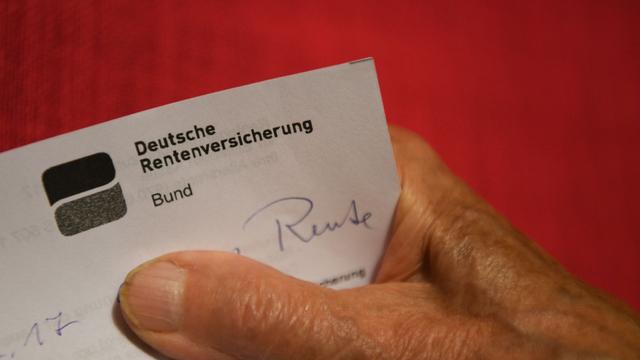
German Advisory Board Recommends Longer Working Hours, Stable Pensions
Translated from German, summarized and contextualized by DistantNews.
At a glance
News
Sources not specified
New plan
- A government advisory board recommends extending working hours and stabilizing pension levels.
- The proposals aim to address demographic challenges and ensure the long-term financial viability of the pension system.
- The recommendations are part of ongoing discussions about social security reforms.
A German government advisory board has recommended extending working hours and stabilizing pension levels as a means to address the country's demographic challenges. The proposals aim to ensure the long-term financial stability of the pension system in the face of an aging population and a shrinking workforce.
The advisory board's recommendations are part of broader discussions within Germany about the future of social security and retirement. The core of the proposals centers on adjusting the balance between contributions and payouts to maintain solvency without drastic cuts to benefits or significant increases in contributions.
While specific details on the extent of the proposed working hour extension were not provided, the emphasis is on adapting the labor market to demographic shifts. Stabilizing pension levels suggests a commitment to maintaining a certain standard of living for retirees, but the exact mechanisms for achieving this alongside extended working lives are still under consideration.
These recommendations are likely to spark debate among policymakers, unions, and the public, as they touch upon sensitive issues of work-life balance, retirement age, and the sustainability of the welfare state. The government will need to weigh these proposals against other potential reforms and consider their social and economic implications.
DistantNews Editorial
Originally published by Die Zeit in German. Translated, summarized, and contextualized by our editorial team with added local perspective. Read our editorial standards.
More Stories


From Our Blog

What Gets Lost (and Found) When News Is Translated

How the Same Story Looks Different in Different Countries

The Critical Role of Diaspora Media in Global News

What Travellers Should Know About Countries with Restricted Press

A Digital Nomad's Guide to Following Local News
