


German Borders: Alexander Dobrindt Extends Border Controls Until March 2027
Translated from German, summarized and contextualized by DistantNews.
At a glance
News
Sources not specified
Context piece
- Germany is seeking to extend border controls with all nine neighboring countries until March 2027.
- This marks the fourth extension since the controls were first introduced in September 2024.
- The government cites the need to curb illegal migration as the reason for the continued measures.
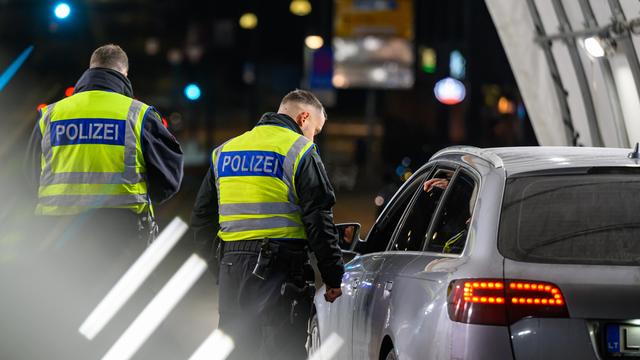
Germany is requesting an extension of its border controls with all nine neighboring countries for another six months, pushing the duration until March 2027. This proposed extension, announced by a spokesperson for the Federal Ministry of the Interior, represents the fourth such renewal since the controls were initially implemented in September 2024.
Federal Interior Minister Alexander Dobrindt has formally applied to the EU Commission for this extension. The Bild newspaper first reported on the planned continuation. These border checks are set to automatically renew unless the EU Commission objects to the measure. Dobrindt stated, "The developments at the European external borders show: Pushing back illegal migration still requires controls."
The minister had previously signaled this move in late July, following a significant influx of migrants crossing from Morocco into the Spanish exclave of Ceuta. While this event temporarily raised concerns in other EU countries about potential onward travel by migrants without residence permits, most of those migrants have since returned to Morocco.
The current proposed extension is the fourth since the controls were first introduced in September 2024. At that time, then-Federal Interior Minister Nancy Faeser initiated the controls, despite the principle of open borders within the EU, aiming to reduce illegal entries. Similar controls had been in place in previous years at borders with Poland, the Czech Republic, Austria, and Switzerland.
Under regular EU regulations, member states can only implement border controls in cases of "exceptional circumstances," and these measures must be temporary and considered a "last resort." The extended controls have faced criticism from various sectors, including the business community and the federal police, who cite staffing shortages. Additionally, the German Association of Cities has highlighted the burdens these controls place on individuals and businesses in border regions.
The developments at the European external borders show: Pushing back illegal migration still requires controls.
DistantNews Editorial
Originally published by Die Zeit in German. Translated, summarized, and contextualized by our editorial team with added local perspective. Read our editorial standards.
More Stories



From Our Blog

What Gets Lost (and Found) When News Is Translated

How the Same Story Looks Different in Different Countries

The Critical Role of Diaspora Media in Global News

What Travellers Should Know About Countries with Restricted Press

A Digital Nomad's Guide to Following Local News
