


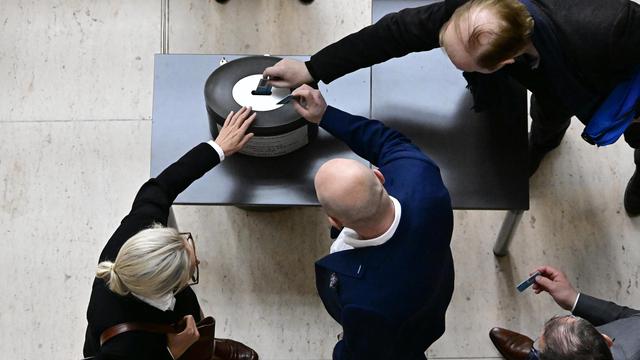
German Bundestag Approves Tax-Free Employee Bonus Up to 1,000 Euros
Translated from German, summarized and contextualized by DistantNews.
TLDR
- The German Bundestag approved a government-backed bill allowing employers to offer a tax-free bonus of up to 1,000 euros to employees.
- The bonus payment window is extended to June 30, 2027, and can be paid in installments.
- While supported by the ruling coalition, the bill faces opposition from AfD and Die Linke, with the Greens abstaining; Bundesrat approval is still pending.
The German Bundestag has passed a key piece of legislation aimed at providing financial relief to citizens, allowing employers to offer a tax-free bonus of up to 1,000 euros. This "Entlastungsprämie" (relief bonus) was pushed through by the governing coalition parties, CDU and SPD, signaling a significant move to ease the burden on households. The bill's journey through parliament was not without contention, however, as the AfD and Die Linke voted against it, while the Greens chose to abstain.
The legislation sets a generous timeframe for employers to issue these bonuses, extending the payment deadline to June 30, 2027. This flexibility allows companies to distribute the relief in smaller, manageable installments if needed. The government estimates the total cost of this tax exemption to the state to be around 2.8 billion euros, primarily because the bonus will be tax-deductible as a business expense for employers and tax-free for employees. To offset these costs, a tobacco tax increase is planned, although specific details remain forthcoming.
Despite the parliamentary approval, the bill still requires the consent of the Bundesrat, Germany's upper house of parliament, where a vote is scheduled for May 8. Employer associations and the Taxpayers' Association have voiced criticism, arguing that the bonus might create unrealistic expectations among employees that businesses cannot always meet. The exact number of companies intending to utilize this bonus scheme remains uncertain, highlighting potential implementation challenges.
From a German perspective, this relief package is a direct response to economic pressures, aiming to support purchasing power. However, the debate reflects a broader tension between government intervention and market-based solutions. While the intention is to provide immediate relief, the reliance on employer discretion and the proposed tax increases raise questions about long-term economic strategy. The differing party lines underscore the political divisions on how best to manage the economy and support citizens during challenging times.
DistantNews Editorial
Originally published by Die Zeit in German. Translated, summarized, and contextualized by our editorial team with added local perspective. Read our editorial standards.
More Stories


From Our Blog

What Gets Lost (and Found) When News Is Translated

How the Same Story Looks Different in Different Countries

The Critical Role of Diaspora Media in Global News

What Travellers Should Know About Countries with Restricted Press

A Digital Nomad's Guide to Following Local News
