

German business leaders warn of economic risks from AfD electoral gains
Translated from German, summarized and contextualized by DistantNews.
At a glance
News
Named sources
Context piece
- German employers and industry leaders warn of disadvantages for eastern German states if the far-right AfD wins elections.
- They criticize the AfD for lacking concrete economic solutions and creating investment uncertainty.
- Concerns are raised about the party's anti-Euro, anti-EU, and pro-Russia stances, which are seen as detrimental to an industrial nation like Germany.
Leading figures in German business and industry are sounding alarms over potential economic disadvantages for eastern German states should the far-right Alternative for Germany (AfD) party achieve electoral success. They argue that the AfD's platform lacks viable solutions for the nation's economic challenges and could instead foster significant uncertainty for investors.
The AfD is not an economic party. Everything I read from them does not contribute to economic growth or investment. On the contrary, it will create new uncertainties for investments.
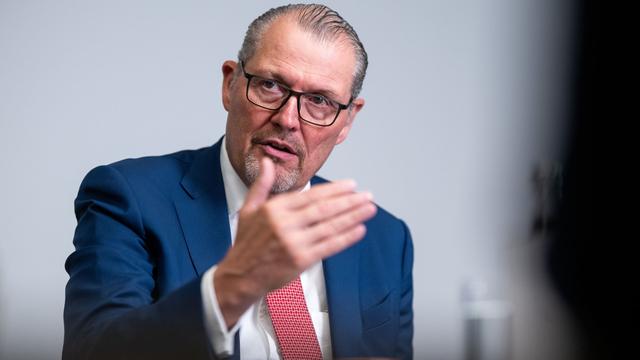
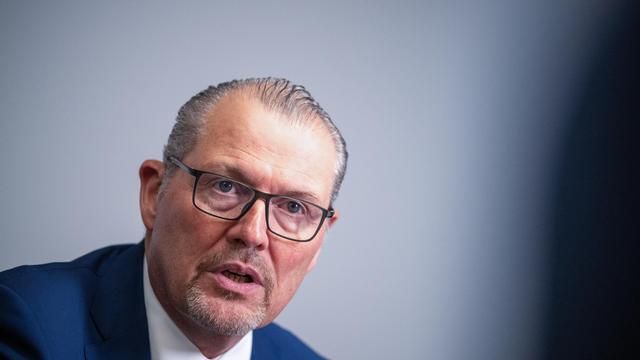
Rainer Dulger, president of the Confederation of German Employers' Associations, stated that the AfD is "not an economic party." He expressed concern over the party's growing support, noting that "everything I read from them does not contribute to economic growth or investment. On the contrary, it will create new uncertainties for investments."
They are selling us a return to the old ways. But that does not lead to lower prices, but to planning uncertainty and risks value creation and industrial jobs.
Tanja Gönner, chief executive of the Federation of German Industries, echoed these sentiments, describing the AfD's approach to energy policy as offering no real solutions. "They are selling us a return to the old ways. But that does not lead to lower prices, but to planning uncertainty and risks value creation and industrial jobs," she said. Gönner emphasized that companies require predictable, affordable, and climate-neutral energy, along with efficient infrastructure and secure investment conditions.
The AfD politicians are Anti-Euro, they are Anti-EU, they are Pro-Russia.
Both Dulger and Gönner criticized the AfD's fundamental positions, highlighting their "anti-Euro, anti-EU, and pro-Russia" stances. Dulger questioned the benefit of such a party for an industrial and economic powerhouse like Germany, particularly given its program. Gönner also pointed to the AfD's proposals for education, such as potentially abolishing compulsory schooling, as detrimental to educational standards and children's opportunities.
From a business perspective, the AfD does not contribute to solutions.
DistantNews Editorial
Originally published by Die Zeit in German. Translated, summarized, and contextualized by our editorial team with added local perspective. Read our editorial standards.
More Stories

From Our Blog

What Gets Lost (and Found) When News Is Translated

How the Same Story Looks Different in Different Countries

The Critical Role of Diaspora Media in Global News

What Travellers Should Know About Countries with Restricted Press

A Digital Nomad's Guide to Following Local News
