


German Chambers of Commerce Propose Joint Electricity Zone With West Denmark
Translated from German, summarized and contextualized by DistantNews.
At a glance
News
Named sources
New plan
- Schleswig-Holstein and Hamburg's Chambers of Industry and Commerce propose a joint electricity zone with West Denmark.
- The proposal aims to lower energy costs, increase local use of renewable energy, and reduce market interventions like redispatch.
- Proponents argue this model would reduce system costs for all of Germany, strengthen industry, and advance the European energy transition.
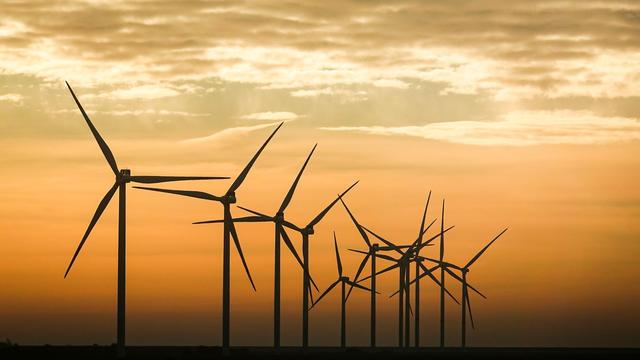
Schleswig-Holstein and Hamburg's Chambers of Industry and Commerce (IHK) are advocating for a unified electricity zone with West Denmark. The proposal, presented in Brussels, aims to create favorable conditions for the economic production and local utilization of regional electricity.
According to Björn Ipsen, the chief executive of IHK Schleswig-Holstein, this integrated energy zone could lead to significant cost reductions across Germany through more efficient energy use. It would also create space for additional renewable energy sources and decrease reliance on costly market interventions such as redispatch and power shutdowns.
The model would offer favorable conditions for the economic production and marketing of regionally generated electricity, which would be used more locally.
"This vision further reduces system costs for all of Germany, strengthens our industry, secures the supply of marketable hydrogen, and makes us a pioneer of the European energy transition," Ipsen stated. The IHK's initiative stems from the current dynamics of the German electricity market, where prices are uniform despite significant regional disparities in generation and consumption.
Data from the Statistical Office North reveals that Schleswig-Holstein generated 29.9 million megawatt-hours of electricity last year, with 91.2 percent coming from renewable sources. In the same period, end-consumers in the region consumed 10.0 million megawatt-hours, highlighting a substantial surplus of renewable energy.
This vision further reduces system costs for all of Germany, strengthens our industry, secures the supply of marketable hydrogen, and makes us a pioneer of the European energy transition.
DistantNews Editorial
Originally published by Die Zeit in German. Translated, summarized, and contextualized by our editorial team with added local perspective. Read our editorial standards.
More Stories

From Our Blog

What Gets Lost (and Found) When News Is Translated

How the Same Story Looks Different in Different Countries

The Critical Role of Diaspora Media in Global News

What Travellers Should Know About Countries with Restricted Press

A Digital Nomad's Guide to Following Local News
