


German City Ahaus Drops Legal Fight Over Bavarian Nuclear Waste Storage
Translated from German, summarized and contextualized by DistantNews.
At a glance
News
Named sources
Outcome reported
- The city of Ahaus has dropped its legal challenge against storing nuclear waste from Bavaria at its interim storage facility.
- Ahaus cited a lack of prospects for success as the reason for withdrawing its legal action.
- The facility in Ahaus has existing permits for storing waste from light water reactors and other specific sources until the end of 2036.
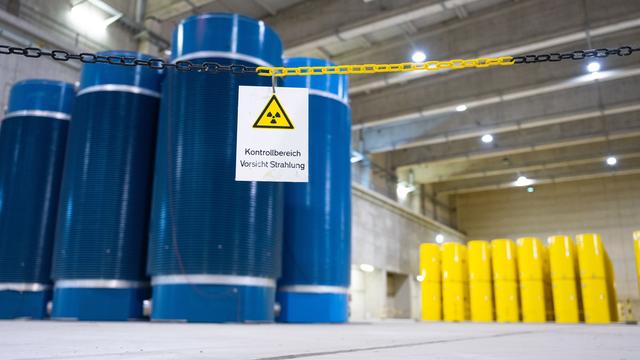
The city of Ahaus has abandoned its legal opposition to the storage of nuclear waste from a research reactor in Bavaria at its interim facility. The city had sought an injunction through an expedited procedure at the Higher Administrative Court of North Rhine-Westphalia to challenge the approval granted by the Federal Office for the Safety of Nuclear Waste Management (Base).
A spokesperson for the court confirmed that Ahaus withdrew its application on Thursday. The city stated that the decision was based on a perceived lack of success in their legal efforts. Base had issued a storage permit in August 2025 for the nuclear waste originating from Bavaria's Munich II experimental reactor.
This is not the first time Ahaus has legally contested the storage of nuclear waste. The city previously challenged the storage of 152 Castor containers from the Rhenish facility in Jülich, a legal battle it ultimately lost. In that instance, the Higher Administrative Court had ruled in 2024 that the waste could be stored in Ahaus.
The Ahaus interim storage facility holds legally binding permits for storing spent fuel elements from light water reactors and irradiated spherical fuel elements from the former thorium high-temperature reactor in Hamm, valid until December 31, 2036. Any additional nuclear waste, such as that from the Munich experimental reactor, requires Base to issue amended permits. The current case involved the tenth such amendment.
DistantNews Editorial
Originally published by Die Zeit in German. Translated, summarized, and contextualized by our editorial team with added local perspective. Read our editorial standards.
More Stories


From Our Blog

What Gets Lost (and Found) When News Is Translated

How the Same Story Looks Different in Different Countries

The Critical Role of Diaspora Media in Global News

What Travellers Should Know About Countries with Restricted Press

A Digital Nomad's Guide to Following Local News
