

German Court Allows Votes on Healthcare Reform, Heating Law
Translated from German, summarized and contextualized by DistantNews.
At a glance
News
Sources not specified
New plan
- Germany's Federal Constitutional Court rejected urgent applications from opposition parties aiming to block votes on healthcare reforms and a heating law.
- The court's decision allows the Bundestag to proceed with votes on both legislative packages as scheduled.
- Opposition lawmakers had argued that insufficient deliberation time was given due to last-minute amendments by the governing coalition.
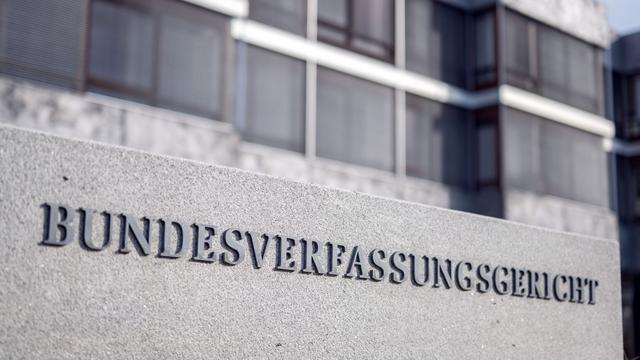
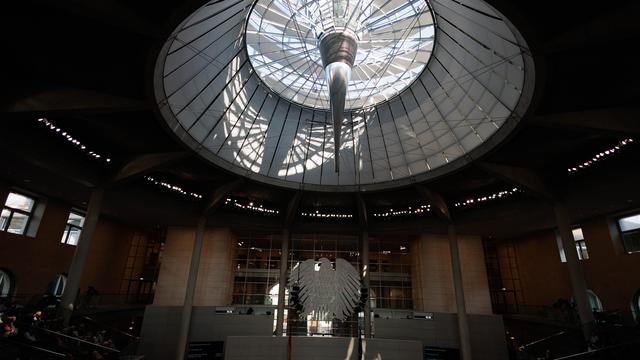
Germany's Federal Constitutional Court has cleared the path for the Bundestag to vote on a healthcare reform package and a new heating law this Friday. The court rejected urgent applications filed by opposition parties seeking to prevent these votes.
Lawmakers from the Green Party, the Left Party, and the Left Party faction in the Bundestag had submitted separate appeals. They argued that the legislative process was too rushed, especially after the governing coalition introduced numerous amendments shortly before the planned votes. The applicants contended that the consequences of these last-minute changes were not sufficiently clear for adequate review by the deadline.
The court's ruling means that the votes on the healthcare reform and the heating law can proceed as planned. The healthcare reform aims to stabilize contribution rates for statutory health insurance, preventing significant increases in 2027 by limiting reimbursement rises for providers and the pharmaceutical sector. The heating law, also known as the "Heizungsgesetz," is another key piece of legislation the coalition is pushing forward.
This decision follows a pattern where opposition parties have attempted to use urgent applications to the Constitutional Court to delay legislation, particularly before parliamentary recesses. In a similar instance in the summer of 2023, an urgent application successfully halted the legislative process for the heating law at that time. The court is expected to rule on the main case concerning the 2023 heating law approximately three years after the initial urgent application.
DistantNews Editorial
Originally published by Die Zeit in German. Translated, summarized, and contextualized by our editorial team with added local perspective. Read our editorial standards.
More Stories

From Our Blog

What Gets Lost (and Found) When News Is Translated

How the Same Story Looks Different in Different Countries

The Critical Role of Diaspora Media in Global News

What Travellers Should Know About Countries with Restricted Press

A Digital Nomad's Guide to Following Local News
