

German Football Youth: Klopp and 'Street Football' - How Talents Can Become Top Players Again
Translated from German, summarized and contextualized by DistantNews.
At a glance
Analysis
From a news agency
Context piece
- Germany's football association (DFB) is implementing a new "Training Philosophy Germany" to develop more individual talents.
- The strategy, introduced in 2023 after three disappointing World Cups, emphasizes "street football" (Bolzplatz) elements like high intensity, quick decision-making, and individual play.
- The DFB aims to cultivate players who can become regulars in the Bundesliga and the national team, acknowledging past training methods may have hindered talent development.
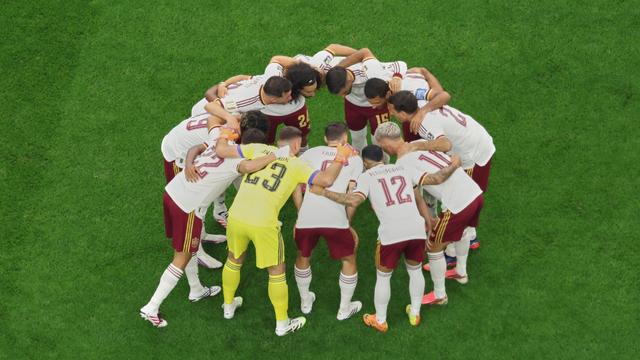
Germany's football association (DFB) is overhauling its youth development strategy with a new "Training Philosophy Germany," aiming to cultivate more exceptional individual talents. This initiative comes after a string of disappointing World Cup performances and seeks to return the national team to global prominence.
We must incorporate street football into training, otherwise, not enough kicking will happen.
Spearheaded by DFB Director Hannes Wolf, the philosophy emphasizes a return to the spirit of "street football" or "Bolzplatz." This involves incorporating elements like small-sided games, high intensity, quick decision-making, and bold individual actions into youth training. The goal is to foster game enjoyment, develop decisive players, and encourage individuality, moving away from overly tactical or opponent-focused training that may have stifled talent.
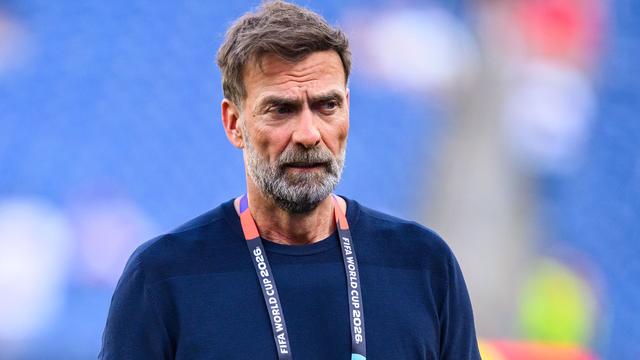
Jürgen Klopp, the designated national coach, has publicly supported this shift, stating, "We must incorporate street football into training, otherwise, not enough kicking will happen." The DFB acknowledges that past training methods may have led to a decline in the development of unique players. The success of these reforms will be measured not by youth titles, but by the number of players who eventually become key figures in the Bundesliga and the national team.
We have trained past the realities. That is why we have also lost positions.
The DFB's efforts are a long-term project, drawing parallels to the development of the 2014 World Cup-winning squad, which benefited from reforms initiated after the team's poor performance in Euro 2000. While the U17 team achieved success in 2023, the path to professional football remains challenging. Players like Finn Jeltsch are already making their mark in the Bundesliga, indicating progress in the new development approach.
We certainly made the mistake after the 2014 World Cup title that we did not flip the switch.
DistantNews Editorial
Originally published by Die Zeit in German. Translated, summarized, and contextualized by our editorial team with added local perspective. Read our editorial standards.
More Stories

From Our Blog

What Gets Lost (and Found) When News Is Translated

How the Same Story Looks Different in Different Countries

The Critical Role of Diaspora Media in Global News

What Travellers Should Know About Countries with Restricted Press

A Digital Nomad's Guide to Following Local News
