


German-French fighter jet cooperation project fails
Translated from German, summarized and contextualized by DistantNews.
At a glance
News
Named sources
Outcome reported
- Germany and France have abandoned their joint fighter jet project, citing a failure of companies Dassault and Airbus to cooperate.
- Chancellor Friedrich Merz and President Emmanuel Macron agreed the project was no longer viable, though cooperation on networking weapon systems will continue.
- The 'Future Combat Air System' (FCAS) project, launched in 2017, faced significant disagreements over leadership and company பங்களிப்பு.
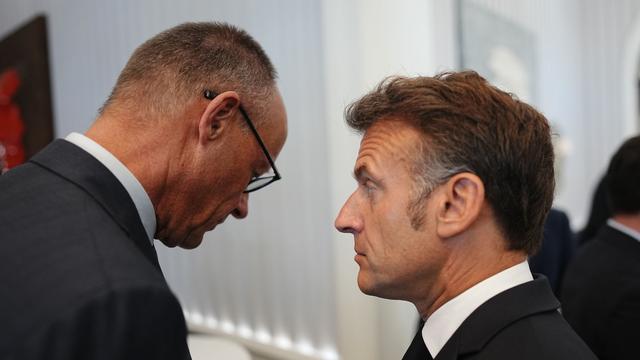
Germany and France have officially called off their ambitious joint fighter jet project, known as the 'Future Combat Air System' (FCAS), after years of disputes between the involved companies. Chancellor Friedrich Merz and French President Emmanuel Macron concluded that the aerospace giants Dassault and Airbus could not find common ground to move the project forward.
Government sources in Germany indicated that both leaders recognized the reality of the impasse. Merz reportedly advised Macron against further pursuing the joint aircraft development. However, cooperation is set to continue in other areas, specifically the networking of various weapon systems, including aircraft, drones, and sensors, into a unified 'Combat Cloud.' A revised plan for defense industry cooperation, focusing on realistic and relevant initiatives, is expected from the German and French defense ministries in mid-July.
The FCAS project, initiated in 2017 by then-Chancellor Angela Merkel and Macron, aimed to develop a next-generation combat aircraft. Disagreements centered on Dassault's demand for a dominant role and leadership, while Germany insisted on equal பங்களிப்பு as per initial agreements. These disputes led to repeated postponements of the political decision.
This failure represents a significant political setback for both Germany and France, who often position themselves as leaders of European integration. Macron, a strong proponent of European sovereignty and joint defense initiatives, faces a personal blow as one of the most ambitious European defense projects collapses due to industrial disagreements with a close ally. Merz also cited differing requirements as a contributing factor to the project's demise.
DistantNews Editorial
Originally published by Die Zeit in German. Translated, summarized, and contextualized by our editorial team with added local perspective. Read our editorial standards.
More Stories

From Our Blog

What Gets Lost (and Found) When News Is Translated

How the Same Story Looks Different in Different Countries

The Critical Role of Diaspora Media in Global News

What Travellers Should Know About Countries with Restricted Press

A Digital Nomad's Guide to Following Local News
