


German health insurance chief calls for capital reserve to secure long-term care
Translated from German, summarized and contextualized by DistantNews.
At a glance
News
From a news agency
New plan
- The head of DAK health insurance is calling for a capital reserve fund for long-term care insurance.
- He warns that without this fund, benefits may need to be cut in the coming decades.
- The proposal includes gradual contribution increases, starting at 0.1% in 2028 and rising to 0.4% by 2031.
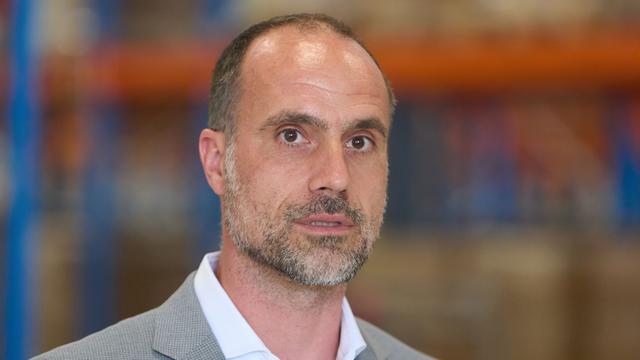
Andreas Storm, the CEO of the DAK health insurance fund, is advocating for the establishment of a capital reserve fund for Germany's long-term care insurance system. He warns that without such a reserve, funded by investments in stocks and bonds, benefits may face cuts within the next few decades. Storm drew parallels to similar concepts used in Sweden and planned for Germany's pension insurance, noting that the situation in long-term care is even more precarious. "If we do nothing, we will soon have to cut long-term care benefits every two years," Storm stated, arguing that a partial capitalization can prevent this. He proposes financing the fund through increased contributions, starting with a 0.1% surcharge in 2028 that would gradually rise to 0.4% by 2031. This increase, split equally between employees and employers, would raise the total contribution for long-term care from 3.6% to 4.0%. According to Storm, this measure would add eight billion euros annually to the care capital, helping to close future financial gaps and potentially allowing for benefit expansions later on.
If we build a capital stock in long-term care insurance now, we can close the gaps in the coming decades and, in the best case, even expand long-term care benefits later.
DistantNews Editorial
Originally published by Die Zeit in German. Translated, summarized, and contextualized by our editorial team with added local perspective. Read our editorial standards.
More Stories


From Our Blog

What Gets Lost (and Found) When News Is Translated

How the Same Story Looks Different in Different Countries

The Critical Role of Diaspora Media in Global News

What Travellers Should Know About Countries with Restricted Press

A Digital Nomad's Guide to Following Local News
