


German hospitals see moderate rise in cannabis cases post-legalization
Translated from German, summarized and contextualized by DistantNews.
At a glance
News
Sources not specified
Outcome reported
- A study found that hospital admissions for cannabis-related issues in Germany increased moderately after the drug's partial legalization two years ago.
- Researchers suggest the rise in acute intoxications and psychoses is more likely due to increased use of high-potency medical cannabis, which is easily available, rather than more people trying cannabis for the first time.
- The study analyzed over 70,000 hospital admissions, noting a 7% increase in adult admissions and a 3.9% increase in adolescent admissions in the year following legalization.
Hospital admissions for cannabis-related issues in Germany have seen a moderate increase following the partial legalization of the drug two years ago, according to a study published in the "Deutsches Ärzteblatt International." Researchers from Hamburg and Leipzig observed a rise in both acute intoxications and cannabis-induced psychoses.
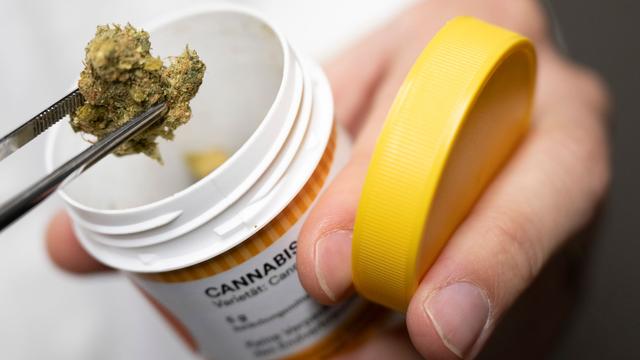
The concentration of THC, the active ingredient of the hemp plant responsible for its intoxicating effect, is much higher in prescription cannabis: on average 24 percent compared to an average of 15 percent in street cannabis.
The study's authors, including Jakob Manthey from the University Hospital Hamburg-Eppendorf, are exploring two potential reasons for this trend. One possibility is that the reduced legal penalties have lowered the threshold for more people to try cannabis. However, the researchers note a lack of strong scientific evidence and survey data to support this theory. A more probable explanation, they suggest, is that consumers are switching to high-potency medical cannabis, readily available through online pharmacies.
This medical cannabis, often prescribed, contains a significantly higher concentration of THC, the psychoactive compound, averaging 24% compared to about 15% in street-level cannabis. The study highlights that consuming cannabis with THC levels exceeding 10-15% carries an elevated risk of mental health problems. This shift to medicinal products, even for experienced users, could pose a risk.
Since the consumption of cannabis with more than 10 percent or 15 percent THC is associated with an increased risk of mental health problems, the switch to medicinal cannabis can pose a risk even for experienced users and patients.
The analysis, which examined data from over 70,000 hospital admissions, found 1,395 more adult hospitalizations related to cannabis in the year after the law change – a 7% increase compared to a scenario without legalization. For adolescents, there were 91 additional admissions, a 3.9% rise. Psychiatrist Alkomiet Hasan of the University of Augsburg, who was not involved in the study, commented that even a moderate increase has significant societal consequences over time, potentially leading to severe mental illness in some cases.
Even a moderate increase, as described here, has immense societal consequences.
DistantNews Editorial
Originally published by Die Zeit in German. Translated, summarized, and contextualized by our editorial team with added local perspective. Read our editorial standards.
More Stories



From Our Blog

What Gets Lost (and Found) When News Is Translated

How the Same Story Looks Different in Different Countries

The Critical Role of Diaspora Media in Global News

What Travellers Should Know About Countries with Restricted Press

A Digital Nomad's Guide to Following Local News
