


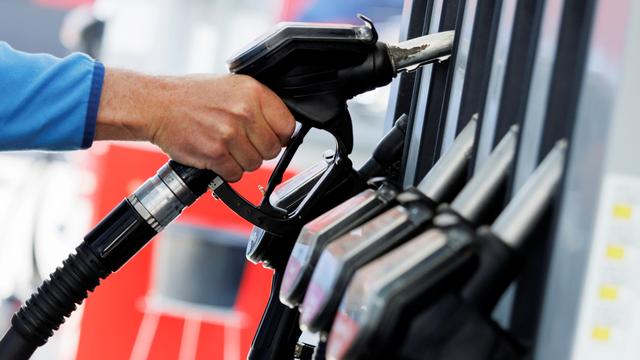
German Inflation Rises Again in August
Translated from German and summarized by DistantNews. Read the original for the full story.
At a glance
Newswire
Documents & data
Ongoing story
- Germany’s annual inflation rate rose to 2.9% in August from 2.8% in July and 2.3% in June.
- Energy prices increased 7.5% from a year earlier, while food prices rose 0.1% and services increased 2.8%.
- Fuel prices in North Rhine-Westphalia were also affected by record-low water levels on the Rhine, which disrupted barge deliveries to refineries.
Life became more expensive in Germany again in August, with consumer prices rising 2.9% from a year earlier, according to a preliminary estimate from the Federal Statistical Office. Inflation stood at 2.8% in July and 2.3% in June.
Energy remained the main driver. Prices in the category rose 7.5% year on year, although that increase eased from 8.3% in July. The report linked higher oil prices to the renewed war in the Middle East.
North Rhine-Westphalia faced an additional pressure on fuel costs from exceptionally low water levels on the Rhine. Heating oil prices in the state rose 33.6% from a year earlier in August, while diesel increased 35.6% and petrol 24%.
Fuel prices in North Rhine-Westphalia rose 2.6% between July and August. The state statistics office also pointed to the low Rhine levels, which severely disrupted shipping on Europe’s most important inland waterway. The Federal Cartel Office said refineries are often supplied by barge.
Food prices nationwide increased by an average of 0.1%, compared with 0.4% in July. Services, including insurance and travel, cost 2.8% more than a year earlier. Core inflation, which excludes food and energy, remained at 2.4%. Overall consumer prices rose 0.2% from July to August.
About this summary
Originally published by Die Zeit in German. Translated, summarized, and contextualized automatically by DistantNews, with a note on how the source frames the story. Not individually reviewed before publishing. How this works.
More Stories


From Our Blog

What Gets Lost (and Found) When News Is Translated

How the Same Story Looks Different in Different Countries

The Critical Role of Diaspora Media in Global News

What Travellers Should Know About Countries with Restricted Press

A Digital Nomad's Guide to Following Local News
