


German Pioneer or Wright Brothers Rival? Gustav Weisskopf's 1901 Flight Claim
Translated from German, summarized and contextualized by DistantNews.
At a glance
News
Named sources
Context piece
- Gustav Weisskopf, a German-born inventor, may have achieved the first powered flight in 1901, predating the Wright brothers.
- Weisskopf's machine, the "Condor No. 21," reportedly flew 800 meters at 45 km/h in Bridgeport, Connecticut, but its controllability and use of explosive acetylene fuel lead to ongoing debate.
- While some experts and a German museum acknowledge Weisskopf's claim, major institutions like the Smithsonian do not fully recognize his achievement, and he died in obscurity as a factory worker.
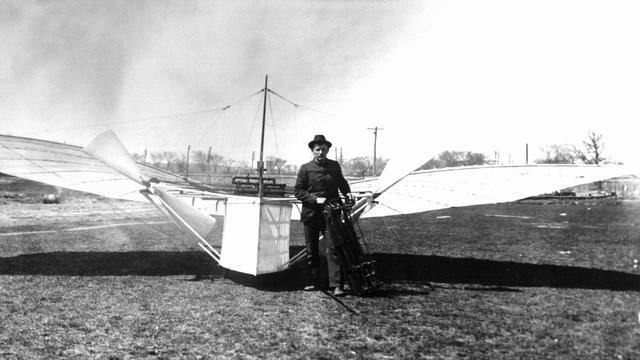
In the small Bavarian town of Leutershausen, kindergarteners learn a secret: Gustav Weisskopf, not the Wright brothers, may have been the first to conquer the skies with a powered aircraft. His "Condor No. 21" reportedly lifted off on August 14, 1901, in Bridgeport, Connecticut, nearly two years before the Wrights' famed 1903 flight.
Weisskopf's machine, built from bamboo and silk, is said to have covered 800 meters at a speed of 45 km/h. However, the explosive nature of the acetylene fuel powering the aircraft and questions about its sustained controllability have fueled skepticism among aviation experts. Critics argue that Weisskopf's "hops" might not qualify as true motor flights, especially since he was observed experimenting with different aircraft designs shortly after the alleged pioneering feat.
The Wrights were correct, but Weisskopf was ahead.
Despite the controversy, some acknowledge Weisskopf's potential claim. "Jane's," a respected aviation reference, stated in 2013 that while the Wrights were correct, Weisskopf was ahead. The Gustav-Weisskopf-Museum in Leutershausen, reopened in 2023, champions his legacy. Yet, renowned institutions like the Smithsonian National Air and Space Museum in Washington and the Deutsches Museum in Munich do not officially recognize his achievement.
Weisskopf, who emigrated from Germany around 1890, worked various jobs in the US, including building aircraft engines, but never found significant entrepreneurial success. He died in 1927 as a factory worker, a stark contrast to the celebrated legacy of the Wright brothers. His descendants maintain ties to Leutershausen, keeping the local connection to the controversial aviation pioneer alive.
The engines of his flying apparatus were fueled by acetylene by Weisskopf.
DistantNews Editorial
Originally published by Die Zeit in German. Translated, summarized, and contextualized by our editorial team with added local perspective. Read our editorial standards.
More Stories



From Our Blog

What Gets Lost (and Found) When News Is Translated

How the Same Story Looks Different in Different Countries

The Critical Role of Diaspora Media in Global News

What Travellers Should Know About Countries with Restricted Press

A Digital Nomad's Guide to Following Local News
