


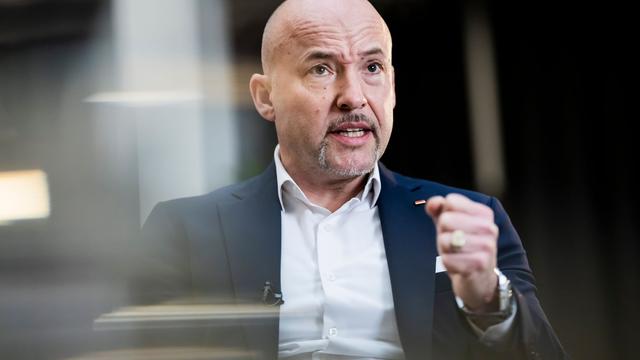
German politician calls spousal tax splitting debate 'one-sided'
Translated from German, summarized and contextualized by DistantNews.
At a glance
News
Named sources
New plan
- A German politician criticized the ongoing discussion about the "Ehegattensplitting" (spousal tax splitting) as one-sided.
- He argued that abolishing it would constitute a tax increase, which the current government coalition has ruled out.
- The politician defended the system, stating that married couples support each other and reduce the burden on the state.
Alexander Hoffmann, leader of the CSU state group in Bavaria, has criticized the public debate surrounding Germany's "Ehegattensplitting" (spousal tax splitting) system, calling it "one-sided." Hoffmann asserted that abolishing this tax benefit would effectively amount to a tax hike, a move explicitly excluded from the current coalition agreement.
Speaking on the ZDF program "Berlin direkt," Hoffmann emphasized the societal role of marriage. "People who marry have a duty of support and care for each other and thus relieve the state," he stated. He argued that Ehegattensplitting is a "viable instrument" that the government should not tamper with. Hoffmann suggested that without this benefit, couples might fall into a "community of need" for citizen's benefits, implying the state could provide some relief through the existing tax system.
His comments come as the German federal government plans to introduce a significant reform package before the parliamentary summer recess. This package is intended to address various issues, including income tax, the labor market, pensions, and bureaucracy reduction. Hoffmann's defense of the spousal tax splitting system positions him against recent proposals from economic researchers.
Earlier, economists had suggested limiting the benefits of Ehegattensplitting. They argued in an open letter to Chancellor Friedrich Merz and Vice Chancellor Lars Klingbeil that the current system disproportionately favors partnerships where one spouse earns significantly more while the other works little or not at all. Given Germany's current labor and skilled worker shortages, the researchers proposed maintaining the spousal adjustment but capping the financial advantage it provides, suggesting it is fiscally irresponsible to leave earning potential untapped.
DistantNews Editorial
Originally published by Die Zeit in German. Translated, summarized, and contextualized by our editorial team with added local perspective. Read our editorial standards.
More Stories


From Our Blog

What Gets Lost (and Found) When News Is Translated

How the Same Story Looks Different in Different Countries

The Critical Role of Diaspora Media in Global News

What Travellers Should Know About Countries with Restricted Press

A Digital Nomad's Guide to Following Local News
